


One Day Trip Mumbai: A Local’s Honest 2026 Guide
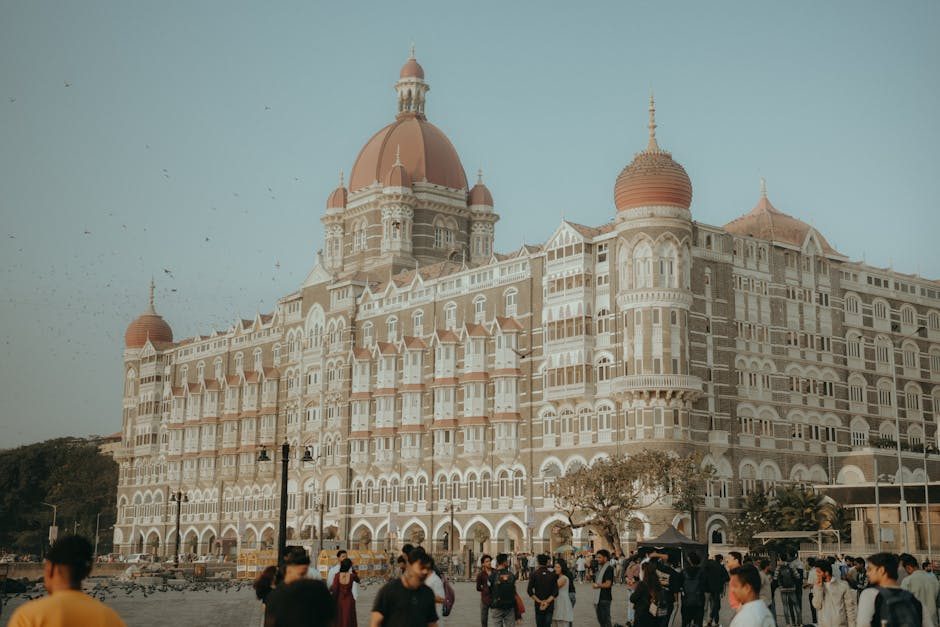
Most one day trip Mumbai guides will tell you to visit Gateway of India, take a ferry to Elephanta Caves, and call it a day. I find that advice lazy. You’ll spend four hours on a boat, another two waiting in queues, and return exhausted without actually experiencing what makes this city tick. After living in Mumbai for three years and hosting dozens of friends from other cities, I’ve learned that the best single-day experiences here don’t involve the obvious landmarks at all.
This guide takes a different approach. Instead of cramming every tourist spot into twelve hours, I’ll share three distinct itineraries based on what actually interests you. Pick one, do it properly, and you’ll leave with stories worth telling.
Why Most Mumbai Day Trip Advice Fails You
The standard recommendations assume you want to tick boxes. Marine Drive, Haji Ali, Siddhivinayak Temple, Juhu Beach, Gateway of India. That’s roughly 45 kilometres of travel through traffic that averages 17 kmph during peak hours. You’ll spend more time in an Uber than actually experiencing anything.
Mumbai rewards depth over breadth. The city reveals itself in specific neighbourhoods, not across a scattered tourist circuit. A food walk through Mohammed Ali Road teaches you more about the city’s soul than photographing ten landmarks ever will.
The Best Time to Visit Mumbai for a Day Trip
October through February offers the most comfortable weather, with temperatures hovering between 20 and 32 degrees Celsius. This window coincides with peak tourist season, so expect crowds at popular spots.
June through September brings the monsoon. Most guides warn you away, but I’d argue a rainy day in Mumbai has its own charm. Marine Drive during a storm, hot vada pav from a street stall while rain hammers the awning above you, the city’s famous resilience on full display. Just pack accordingly and avoid outdoor activities like Elephanta Caves during heavy rainfall.
What About Weekends Versus Weekdays?
Weekdays mean easier travel times but closed access to certain spots. The Bombay Stock Exchange visitor gallery operates only Monday through Friday. Weekend visits offer better street food options, particularly in areas like Bandra and Colaba, where vendors set up elaborate stalls on Saturdays and Sundays.
Itinerary One: The Heritage and Architecture Route
Start at Chhatrapati Shivaji Maharaj Terminus at 8 AM. The UNESCO World Heritage Site looks stunning in morning light, and the crowds haven’t arrived yet. Spend twenty minutes photographing the Victorian Gothic architecture before walking to Horniman Circle Garden, roughly 800 metres away.
The Asiatic Society Library nearby opens at 10:30 AM. Non-members can’t browse freely, but the reading room architecture alone justifies a quick visit. From here, walk through Kala Ghoda, Mumbai’s art district. The Jehangir Art Gallery offers free entry and rotating exhibitions.
Lunch at Britannia and Company
This Parsi restaurant has served berry pulao since 1923. The owner, Boman Kohinoor, passed away in 2023, but his legacy continues. A full meal costs approximately 600 rupees per person. Get there by noon to avoid the lunch rush.
After lunch, take a taxi to Banganga Tank in Malabar Hill. This ancient water tank surrounded by temples feels like stepping into a different century. The area rarely appears in tourist itineraries, which keeps it peaceful. Return via Walkeshwar Road for views of the Arabian Sea.
Itinerary Two: The Street Food and Local Markets Route
Begin at Crawford Market at 9 AM. The wholesale market supplies vegetables, fruits, and spices to half the city. The architecture dates to 1869, with friezes designed by Rudyard Kipling’s father. Walk through the pet section if you’re curious, but be prepared for chaotic energy.
Head to Mohammed Ali Road by 11 AM. During Ramadan, this area transforms into Mumbai’s greatest food festival, but it operates year-round. Try the seekh kebabs at Sarvi, the malpua at Suleman Usman Mithaiwala, and the firni at any stall that looks busy. Budget roughly 400 rupees for a substantial food walk.
Is Street Food in Mumbai Safe for Tourists?
Mostly yes, with basic precautions. Eat where locals eat, avoid pre-cut fruits, stick to freshly prepared items, and carry oral rehydration salts just in case. I’ve hosted vegetarian friends from Jaipur and non-vegetarian friends from Kolkata, and nobody has fallen sick following these guidelines.
By afternoon, take a local train from CSMT to Bandra. The 30-minute journey costs 15 rupees in second class and offers an authentic Mumbai experience. Exit at Bandra station and walk to Hill Road for budget shopping, then to Linking Road for more upscale options.
Itinerary Three: The Coastal and Nature Route
This option requires leaving Mumbai city limits. Drive to Kanheri Caves in Sanjay Gandhi National Park, about 35 kilometres from South Mumbai. Start early, by 7 AM, to beat traffic and heat.
The 109 Buddhist cave monuments date back to the 1st century BCE. Entry costs 40 rupees for Indians and 600 rupees for foreign nationals. The trek to the caves involves roughly 1,200 steps, so wear proper footwear. Most visitors spend two to three hours exploring.
Combining Caves with Beach Time
After Kanheri, drive to Gorai Beach, approximately 20 kilometres away. This beach stays cleaner and quieter than Juhu or Versova. The water isn’t swimmable, but the stretch offers pleasant walking and several beachside shacks serving fresh seafood. Lunch at a shack costs between 500 and 800 rupees for two people.
Return to the city via Marve Road. If time permits, stop at the Global Vipassana Pagoda. This meditation dome, completed in 2009, houses relics of Buddha and offers stunning Gorai Creek views. Entry is free, but you’ll need to deposit your phone and footwear before entering.
Budget Breakdown for a One Day Trip Mumbai
Transportation costs vary dramatically based on your choices. Local trains cost almost nothing. Uber rides across the city can total 1,500 to 2,500 rupees depending on distance and surge pricing. Auto rickshaws work well in suburban Mumbai but aren’t permitted in South Mumbai.
Food expenses range from 300 rupees for street food meals to 2,000 rupees for sit-down restaurant dining. Entry fees rarely exceed 100 rupees for Indians at most attractions. A comfortable budget for one person, covering transport, food, and activities, sits around 2,500 to 3,500 rupees.
How Much Does a Mumbai Day Trip Cost from Pune?
Pune visitors should add 400 rupees for Shatabdi Express tickets each way or approximately 3,000 rupees for Uber outstation rides. The train takes three hours, while driving takes three to four hours depending on traffic at the expressway ghat sections.
Practical Tips That Actually Matter
Download the M-Indicator app before arriving. It provides accurate local train timings, platform numbers, and first-class versus second-class indicators. Google Maps works for driving directions but often underestimates travel times during peak hours.
Carry cash in smaller denominations. Many street food vendors and auto rickshaw drivers don’t accept UPI payments, despite what the stickers on their vehicles claim. ATMs exist everywhere, but having 500 and 100 rupee notes ready saves negotiation time.
What Should I Avoid During a Mumbai Day Trip?
Skip the Madame Tussauds wax museum unless you specifically love wax figures. The 800 rupee entry fee doesn’t justify the experience. Similarly, avoid Juhu Beach on Sunday evenings when crowds make movement nearly impossible. The Film City tour sounds exciting but operates as a disappointing guided bus ride past nondescript buildings.
Getting to Mumbai and Moving Around
The city has two airports, domestic terminal T1 and international terminal T2, located about 7 kilometres apart. Pre-paid taxi counters at both terminals offer fixed rates to various city zones. From T2 to Colaba, expect to pay around 700 rupees.
For trains from other cities, Lokmanya Tilak Terminus handles most long-distance routes from South India, while Mumbai Central serves Gujarat and Rajasthan trains. Both connect to the local train network, making onward travel straightforward.
I genuinely believe Mumbai can’t be understood in a single day. But that’s not the point. One focused day, spent exploring a single neighbourhood or pursuing a specific interest, beats a frantic checklist every time. Pick your itinerary based on what excites you, not what Instagram expects from you. The city will still be here when you return for more.
0 Comment