

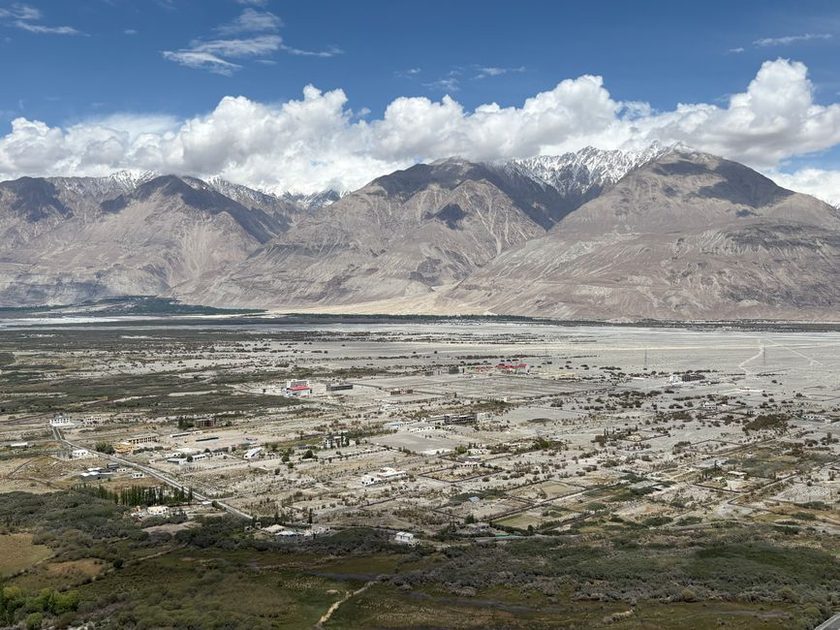

Leh to Nubra Distance: Complete Route Guide
The leh to nubra distance measures exactly 159 kilometers via Khardung La, and I remember checking my odometer obsessively during my first crossing in September. What nobody tells you is that this 159 km stretch takes anywhere from 4.5 to 6 hours depending on road conditions, military convoys, and how many times you stop to photograph the impossibly blue sky. This isn’t just a drive. It’s a slow, altitude-induced meditation through some of the harshest terrain on the planet.
Most travel guides throw numbers at you without context. I’m going to give you the real breakdown of what those 159 kilometers actually feel like, why the alternative route exists, and how to time your journey so you’re not stuck behind a BRO truck for three hours.
Understanding the Exact Leh to Nubra Valley Distance
The standard route from Leh to Hunder in Nubra Valley covers 159 km. If you’re heading to Diskit instead, it’s 118 km. This distinction matters because most people say “Nubra” without specifying where in the valley they mean.
Diskit is the administrative headquarters with the famous Maitreya Buddha statue. Hunder is where the sand dunes and double-humped camels live. Sumur sits further north with its hot springs. Your actual leh to nubra distance depends entirely on which village you’re targeting.
Distance Breakdown by Destination
Leh to Khardung La top: 39 km, roughly 1.5 hours. Khardung La to North Pullu checkpoint: 15 km, about 30 minutes. North Pullu to Diskit: 64 km, approximately 2 hours. Diskit to Hunder: 7 km, a quick 15 minute ride. These segments help you plan fuel stops and bathroom breaks, which become surprisingly important at 18,000 feet.
The Khardung La Route: What You Actually Experience
Everyone obsesses over Khardung La being one of the world’s highest motorable passes. The sign at the top claims 18,380 feet, though GPS measurements put it closer to 17,582 feet. Either way, you’ll feel it. Headaches, breathlessness, and a strange euphoria hit most travellers here.
I’ve crossed Khardung La eleven times now across different months. The road surface varies dramatically by season. In June 2026, expect fresh repairs from the Border Roads Organisation. By September, those repairs develop their own potholes. The pass typically opens by late May and closes after the first heavy November snowfall.
Road Conditions You Should Expect
The stretch from Leh to South Pullu stays decently paved. After South Pullu, the ascent to Khardung La becomes rougher with sharp switchbacks. The descent toward North Pullu features better tarmac but steeper drops. Beyond the checkpoint, the road improves significantly until you reach Nubra’s valley floor. Budget extra time if travelling in July or August when monsoon remnants occasionally trigger landslides.
Permits and Documentation for the Journey
You cannot drive from Leh to Nubra without an Inner Line Permit. Indian nationals need this permit, which costs around Rs 600 per person when arranged through a registered travel agent in Leh. The permit office on Fort Road processes applications, but using an agent saves time and confusion.
How long does the Nubra permit last? The standard permit validity is 7 days, which covers most itineraries comfortably. You can extend it in Leh if needed, though the process adds a day to your schedule. Foreign nationals require a Protected Area Permit with different documentation requirements, processed through registered tour operators only.
Best Time to Cover the Leh to Nubra Distance
The ideal window runs from late May through early October. I personally favour September when the crowds thin out, the weather stabilizes, and the landscape turns golden brown. June offers the best road conditions but brings peak tourist traffic.
Avoid July and August if possible. The monsoon doesn’t hit Ladakh directly, but its peripheral effects cause cloud cover, occasional showers, and increased landslide risk on the Khardung La route. The Leh Tourism Department and Ladakh Autonomous Hill Development Council both advise travellers to check road status before attempting the pass during these months.
Departure Timing Strategy
Leave Leh by 7 AM to cross Khardung La before afternoon clouds roll in. The pass often gets foggy after 2 PM, reducing visibility dramatically. Starting early also means you reach Nubra Valley by lunchtime, giving you the entire afternoon to explore Diskit Monastery or ride camels at Hunder.
Vehicle Options and Self-Drive Considerations
Most travellers hire a car with driver from Leh. An Innova costs approximately Rs 6,500-7,500 for a day trip to Nubra, while a Scorpio runs around Rs 6,000-7,000. These rates from 2026 include fuel and driver charges but not permits or your accommodation.
Can you self-drive to Nubra Valley? Yes, but with caveats. You need a vehicle with decent ground clearance, preferably 4×4 capability for the passes. More importantly, you need acclimatization. Attempting Khardung La within your first two days in Leh invites altitude sickness. The Indian Army medical post at South Pullu sees tourists with severe AMS regularly, and they’ll advise you to turn back if you show symptoms.
The Alternative Wari La Route
Here’s something most guides skip entirely. A second route to Nubra exists via Wari La pass at 17,400 feet. This road runs approximately 140 km from Leh to Diskit, passing through Sakti and Agham villages.
The Wari La route takes longer, roughly 7-8 hours, despite being shorter in distance. The road surface remains unpaved for significant stretches, and traffic is minimal. I took this route returning from Nubra once, and we didn’t see another tourist vehicle for three hours. It’s wilder, more remote, and absolutely not recommended for first-time Ladakh visitors or those without experienced drivers.
Where to Stop Along the Leh to Nubra Route
South Pullu has a chai stall and the permit checkpoint. You’ll stop here regardless. Khardung La top offers photo opportunities and overpriced Maggi. Skip the Maggi. Eating at extreme altitude often triggers nausea.
North Pullu has another checkpoint and basic refreshments. Khalsar marks the valley entrance with a few restaurants serving thukpa and momos. I recommend pushing through to Diskit for lunch at one of the guesthouses there. The food quality improves dramatically once you’re off the pass.
Fuel and Emergency Considerations
Fill your tank completely in Leh. The only petrol pump on route sits in Diskit, and it occasionally runs dry during peak season. Carry a basic medical kit with Diamox for altitude sickness, though you should consult a doctor before using it. Mobile networks work intermittently after Khardung La, so download offline maps beforehand.
Planning Your Nubra Valley Stay
One night in Nubra feels rushed. Two nights let you explore properly. Stay in Hunder for the dunes or Sumur for the hot springs at Panamik. Diskit works as a practical base with more accommodation options ranging from Rs 1,500 budget guesthouses to Rs 8,000 luxury camps.
What is the best village to stay in Nubra Valley? Hunder wins for first-timers wanting the classic sand dunes and camel experience. Sumur suits those seeking quieter surroundings and the sulfur springs. Turtuk, further north near the Line of Control, rewards travellers with an extra day for its Balti culture and apricot orchards.
Common Mistakes to Avoid
Attempting the drive without proper acclimatization tops the list. Spend at least two full days in Leh before heading to Nubra. Underestimating time requirements causes problems too. That “just 159 km” takes half your day, and reaching Leh before dark if you leave Nubra after noon becomes difficult.
Booking fixed return transportation without buffer days creates stress. Weather and road closures happen without warning. The BRO works incredibly hard, but one landslide can block the route for hours. Keep your schedule flexible, or you’ll spend your Ladakh trip anxious rather than present.
The leh to nubra distance isn’t particularly long by Indian standards. But those 159 kilometers through the world’s highest passes demand respect, preparation, and a willingness to move slowly. Do it right, and you’ll understand why people return to this route year after year.
0 Comment