


Ahmedabad Places to Visit: A Local’s 2026 Guide
I’ve lived in Ahmedabad for six years now, and I still discover new corners that surprise me. Most travel guides will hand you the same tired list of monuments. They’ll tell you to visit Sabarmati Ashram, snap a photo at Adalaj Stepwell, and call it a day. That’s fine if you want the tourist experience. But Ahmedabad reveals its real character in the chaos of its pols, the 4 AM tea stalls near Law Garden, and the unexpected kindness of auto drivers who’ll argue about the fare but then refuse payment altogether.
This guide covers the essential Ahmedabad places to visit, yes. But I’m also sharing the spots locals actually frequent, honest budget breakdowns, and a realistic itinerary that won’t exhaust you by noon.
The Heritage Core: Old Ahmedabad’s Walled City
The UNESCO World Heritage status came in 2017, and it changed nothing about how this area feels. The walled city remains gloriously chaotic. Start at Teen Darwaza, the triple-arched gateway that once marked the royal entrance. From here, you’re 400 metres from Bhadra Fort, where the Bhadra Kali Temple sees more local devotees than tourists any day of the week.
The real experience lies in the pols, those labyrinthine residential clusters with carved wooden facades and secret courtyards. Hire a local guide through the Ahmedabad Municipal Corporation’s heritage walk program. They charge ₹100 per person for the morning walk starting at 7:30 AM. The evening walk costs ₹150 and includes chai stops. I’ve done both multiple times with visiting friends, and the morning version works better during summer months when afternoon temperatures cross 40°C.
Jama Masjid and Sidi Saiyyed Mosque
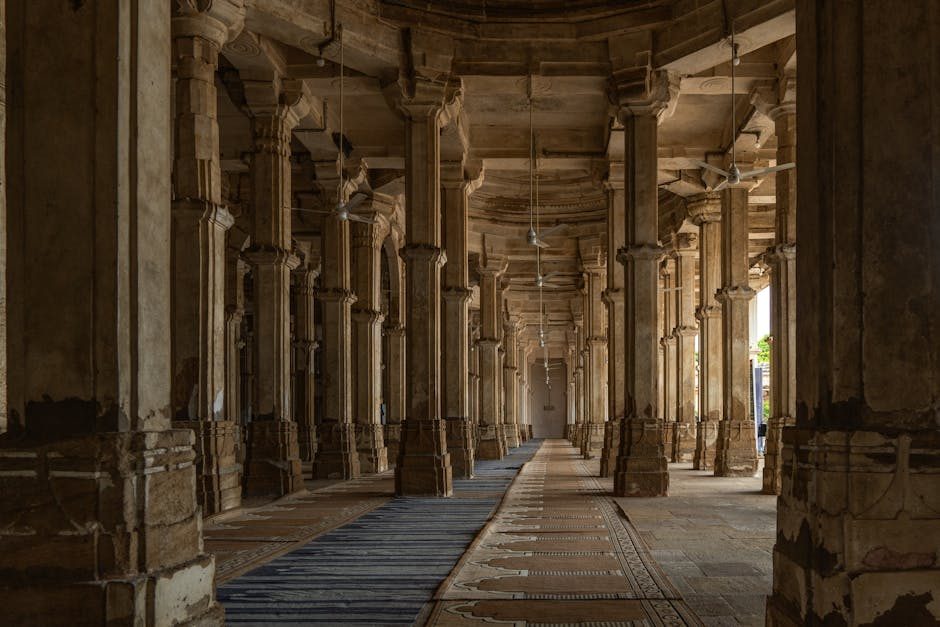
These two mosques sit barely 800 metres apart but represent completely different architectural philosophies. Jama Masjid, built in 1424, uses 260 pillars supporting 15 domes in a grid pattern that feels almost industrial in its precision. Sidi Saiyyed Mosque is smaller, quieter, and famous for its stone latticework windows depicting intertwined trees. The tree design appears on IIM Ahmedabad’s logo. Photography is allowed at both, though be respectful during prayer times.
Sabarmati Ashram: Beyond the Photo Op
Every guide mentions Sabarmati Ashram. Few tell you to actually spend time here. Most visitors rush through in 30 minutes, missing the point entirely. Gandhi lived here from 1917 to 1930, and the ashram retains an atmosphere that requires slowness to appreciate.
Arrive before 9 AM to avoid school groups. The museum opens at 8:30 AM and closes at 6:30 PM. Entry is free. Walk to Hriday Kunj, Gandhi’s actual living quarters, where his spinning wheel and writing desk remain as they were. The bookshop sells rare pamphlets and publications you won’t find elsewhere. I’d budget 90 minutes minimum if you’re genuinely interested in the history.
Stepwells and Water Architecture
Gujarat’s stepwells predate most European cathedrals, and Ahmedabad has several within day-trip distance. Adalaj Stepwell sits 18 kilometres north of the city center. An Ola or Uber costs approximately ₹400-500 one way. The five-storey structure drops 20 metres underground, remaining naturally cool even during peak summer.
What most visitors miss is Dada Harir Stepwell, located inside the city itself near Asarwa. It’s smaller than Adalaj but significantly less crowded. On weekday mornings, you might have the entire place to yourself. The geometric patterns carved into its walls represent some of the finest Indo-Islamic craftsmanship from the 15th century.
How Many Days Do You Need in Ahmedabad?
Three full days work well for most travellers. You can cover the heritage sites and museums without feeling rushed. If you’re adding day trips to Modhera Sun Temple (102 km) or Rani ki Vav in Patan (134 km), extend to four or five days. Anything less than two days means you’re just scratching the surface.
Museums That Actually Deserve Your Time
The Calico Museum of Textiles operates on a peculiar system. You must book in advance, visits happen in guided batches at 10:30 AM and 2:45 PM, and photography is prohibited throughout. These restrictions exist because the collection is genuinely priceless. Some textiles date back 500 years. The morning session covers the main collection while the afternoon focuses on religious textiles. Admission is free but requires advance registration through their website.
For something more accessible, try the Conflictorium near Mirchibai ni Pol. This privately run museum examines conflict through art and personal narratives. It opened in 2013 and remains refreshingly uncommercial. Entry costs ₹50. The roof terrace offers decent views of the surrounding rooftops.
Where to Stay: Honest Recommendations
Budget travellers should look at House of MG. Yes, it’s heritage property with rooms starting around ₹4,500 per night, which isn’t cheap by backpacker standards. But the location opposite Sidi Saiyyed Mosque makes it worth the premium. Their restaurant serves authentic Gujarati thalis that justify the trip alone. For tighter budgets, Hotel Comfort in Kalupur area offers clean rooms from ₹1,200, though you’re trading ambiance for savings.
The newer business hotels near SG Highway serve corporate travellers well but sit 10-12 kilometres from heritage sites. You’ll spend ₹300-400 on each Uber ride into the old city. Consider whether that convenience tradeoff makes sense for your itinerary.
Is Ahmedabad Safe for Solo Travellers?
Ahmedabad ranks among India’s safer cities for solo travel. The local population is genuinely helpful, violent crime is rare, and women travellers face fewer hassles than in many North Indian cities. That said, avoid isolated areas after dark and use app-based cabs rather than negotiating with auto drivers late at night. The city essentially shuts down by 11 PM anyway since Gujarat’s alcohol prohibition means no late-night bar culture.
Food You Absolutely Cannot Skip
Gujarati food is vegetarian by default and sweet by design. Even the dal carries a hint of jaggery. If this sounds off-putting, give it three meals. The flavor profile grows on you.
Manek Chowk transforms after 9 PM into a street food paradise. The sandwiches here are absurd, layered creations involving cheese, chutneys, and vegetables that shouldn’t work together but absolutely do. Expect to pay ₹80-150 per sandwich. Das Khaman near Relief Road has served the city’s best khaman dhokla since 1926. Order the half plate for ₹40 and evaluate your life choices up to this point.
What is the Best Time to Visit Ahmedabad?
October through February offers the most comfortable weather. Temperatures hover between 15-28°C, and the famous Uttarayan kite festival in January brings incredible energy to the city. Avoid April through June when temperatures regularly exceed 42°C and sightseeing becomes genuinely unpleasant. The monsoon months from July to September bring relief but also flooding in low-lying old city areas.
A Realistic 3-Day Itinerary
Day one focuses on the walled city. Start with the heritage walk at 7:30 AM, visit Jama Masjid and Sidi Saiyyed Mosque by mid-morning, lunch at a traditional pol house if you can arrange it through your hotel, and explore Manek Chowk in the evening. Day two covers Sabarmati Ashram in the morning, Calico Museum in the afternoon if you’ve booked in advance, and maybe the evening light show at Adalaj Stepwell if you’re visiting between October and March.
Day three works best for day trips. Modhera Sun Temple deserves the full morning. On your return, stop at Rani ki Vav if you’re committed to stepwells, though this extends your driving significantly. Alternatively, spend the day exploring Ahmedabad’s newer neighborhoods, shopping at Tanishq or local textile shops, and catching up on rest.
Getting Around: Transport Reality
Ahmedabad’s metro system opened in 2019 and now covers two lines connecting major areas. A single journey costs ₹5-25 depending on distance. The metro doesn’t reach the walled city directly though, so you’ll still need autos or cabs for heritage sites. Ola and Uber work reliably here. Shared autos follow fixed routes and charge ₹10-20 per seat but require local knowledge to navigate.
The airport sits 8 kilometres from the city center. Pre-paid taxi counters charge ₹350-400 for most central locations. The nearest major railway station is Ahmedabad Junction, locally called Kalupur Station, located conveniently close to the old city.
What Most Guides Won’t Tell You
Ahmedabad has an identity crisis that works in the visitor’s favor. It’s simultaneously proud of its heritage and desperate to modernize. This means world-class museums operate next to crumbling havelis, and gleaming malls share streets with century-old sweet shops. The city doesn’t perform for tourists. It simply exists, and you’re welcome to observe.
Come with patience. Come prepared for vegetarian food and dry evenings. Come expecting hospitality that borders on overwhelming. The Ahmedabad places to visit matter less than the approach you bring. Walk slowly through the pols. Sit with the chai sellers. Ask questions. This city has stories it’s willing to share if you have time to listen.
0 Comment