

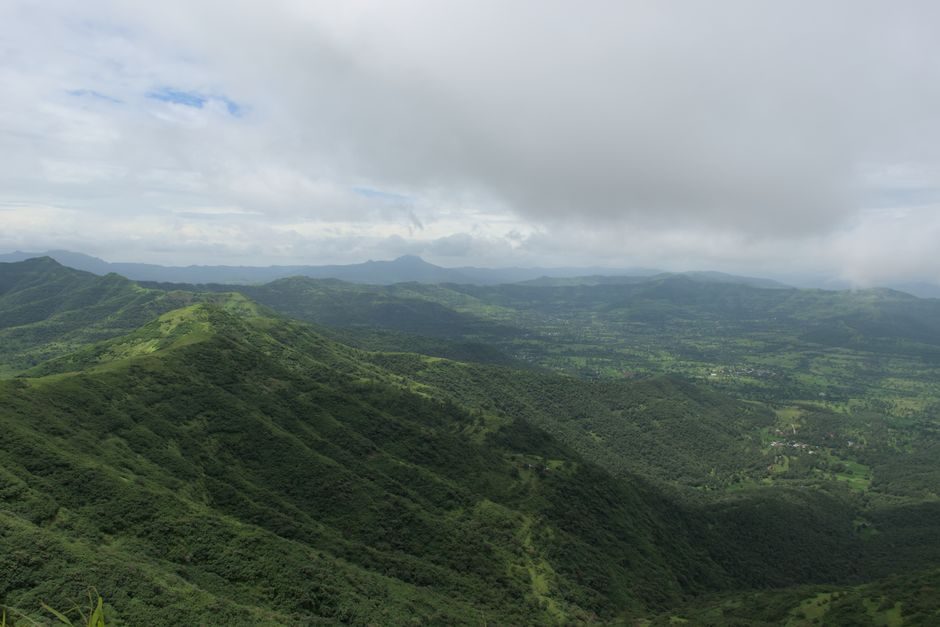

Treks Near Pune: Your 2026 Trail Guide
I’ve spent the last four years exploring every accessible ridge, fort, and valley within 150 kilometres of Pune. Some trails left me questioning my life choices at 5 AM. Others made me pull over just to stare at the Sahyadris turning gold at sunset. If you’re searching for treks near Pune, you’re probably tired of the same recycled lists featuring Sinhagad and Lohagad without any real context about difficulty, timing, or what actually makes each trek worth your weekend.
This guide is different. I’ll tell you which treks are overrated, which ones deserve more attention, and exactly when to hit each trail for the best experience. Let’s get specific.
Why Pune Has Become Maharashtra’s Trekking Capital
Pune sits at the edge of the Western Ghats, a UNESCO World Heritage biodiversity hotspot. Within a 100-kilometre radius, you’ll find over 40 trekking destinations ranging from 30-minute climbs to full-day expeditions. The city’s elevation of 560 metres means you’re already acclimatised for most moderate trails.
The Maharashtra Forest Department and various historical preservation trusts maintain most fort trails. Unlike Himalayan treks that require permits and guides, Sahyadri treks remain accessible for spontaneous weekend plans. You can literally decide at dinner on Friday and be on a trail by 5 AM Saturday.
Best Easy Treks Near Pune for Beginners
Not everyone wants to scramble up rock faces before breakfast. These trails offer rewarding views without the cardiovascular punishment.
Sinhagad Fort Trek
Yes, it’s the most popular trek near Pune for a reason. The trail from Sinhagad village covers 3 kilometres with a 600-metre elevation gain. What nobody tells you is that the main path gets unbearably crowded after 8 AM on weekends. Take the Donaje village route instead. It’s slightly longer but you’ll actually hear birds instead of bluetooth speakers. The fort canteen’s pithla bhakri is genuinely good, not just “good for a trek.”
Parvati Hill
This one sits inside Pune city itself. The 103-step climb to Parvati Temple takes about 20 minutes and offers panoramic city views. It’s technically not a trek, but it works perfectly for absolute beginners testing their fitness before committing to longer trails. Sunrise visits between October and February are particularly stunning.
Visapur Fort
Paired often with Lohagad, Visapur actually offers better views and fewer crowds. The 5-kilometre trail from Patan village takes about 2 hours up. The plateau at the top is massive, with ruins, water cisterns, and enough space to actually enjoy your packed breakfast without being elbow-to-elbow with other groups.
Challenging Treks for Experienced Hikers
These trails demand proper footwear, reasonable fitness, and respect for the terrain.
Rajmachi Fort
The 15-kilometre round trip from Lonavala station breaks most first-timers. You’re looking at 6-7 hours of walking through varied terrain. The twin fortifications of Shrivardhan and Manaranjan at the summit reward the effort. I’d recommend staying overnight at the village homestays rather than attempting a single-day return. Homestay rates run between Rs 500-800 per person including dinner and breakfast.
Torna Fort
Shivaji Maharaj’s first conquest sits 60 kilometres from Pune. The 4-kilometre trail from Velhe involves steep sections that become genuinely dangerous during monsoon. The elevation of 1,400 metres makes this the highest fort in Pune district. Start before dawn because the exposed sections become brutal after 10 AM from March through May.
Harishchandragad
This isn’t a casual weekend trek. The Nalichi Vaat route involves climbing through a narrow natural rock chimney that genuinely frightens people with height anxiety. At 1,424 metres, Harishchandragad offers the famous Konkan Kada cliff and ancient temple caves. The 8-kilometre trek takes 5-6 hours up. Most serious trekkers camp overnight at the temple complex. Expect cold nights even in October, with temperatures dropping below 10°C.
Monsoon Treks Near Pune Worth the Mud
June through September transforms the Sahyadris into a completely different landscape. Waterfalls appear from nowhere. The ghats turn impossibly green. However, monsoon trekking carries real risks that most travel blogs conveniently ignore.
Safety First
Every year, trekkers get injured or worse on rain-slicked trails. Avoid Rajmachi, Torna, and Harishchandragad during heavy rainfall weeks. The rock faces become genuinely treacherous. Check Maharashtra Tourism’s weather advisories before planning monsoon treks.
Tikona Fort
The pyramid-shaped fort near Kamshet works well during controlled monsoon windows. The 3-kilometre trail has enough tree cover to provide grip even when wet. The views of Pawna Lake with mist rolling through the valleys justify getting soaked. Just carry a waterproof bag for your phone.
Lohagad Fort
The most accessible monsoon trek near Pune sits just 52 kilometres from the city. The paved path and carved steps make it manageable even after rainfall. The Vinchukata point at the edge of the fort offers vertigo-inducing views during clear monsoon mornings. Weekends get extremely crowded, so consider a Tuesday or Wednesday trip if your schedule allows.
Night Treks and Camping Options
Summer heat makes daytime trekking miserable from March through May. Night treks solve this problem elegantly.
Kalsubai, Maharashtra’s highest peak at 1,646 metres, becomes manageable when you start at 11 PM and summit for sunrise. The 5-kilometre trail from Bari village includes iron ladders on steep sections. Organised night trek groups charge between Rs 800-1,500 per person including transport from Pune. I’d recommend going with established operators like Trek Mates India or Maharashtra Nature Lovers for Kalsubai specifically, as the iron ladder sections require some guidance at night.
Pawna Lake camping has become overdone and overpriced, but alternatives exist. The camping sites near Bhivpuri Road offer similar lakeside experiences at half the cost, roughly Rs 1,200-1,500 per person for tent, dinner, and breakfast.
How to Reach These Treks from Pune
Public transport covers the major destinations. ST buses run to Velhe (for Torna), Lonavala (for Lohagad, Visapur, Rajmachi), and Junnar (for Shivneri). Expect journeys of 1.5 to 3 hours depending on the destination.
Renting a car makes more sense for groups of four or more. Self-drive rentals from Zoomcar or Revv cost Rs 1,500-2,500 per day for hatchbacks. The roads to most trailheads are well-maintained state highways until the final village approach.
Shared taxi services from Shivajinagar ST stand serve popular destinations on weekends. You’ll pay Rs 150-300 per seat depending on the destination. These fill up fast, so reach by 5 AM for the best options.
What to Pack for Sahyadri Treks
The Western Ghats demand specific gear considerations that differ from Himalayan trekking.
Footwear matters more than anything. The basalt rock becomes slippery with morning dew or light rain. Shoes with aggressive tread patterns work better than boots with smooth soles. Decathlon’s Quechua range offers decent options under Rs 2,000.
Carry at least 2 litres of water per person for any trek over 2 hours. Most forts have ancient water cisterns, but I wouldn’t recommend drinking from them without purification tablets. Pack electrolyte powder for summer treks when you’ll sweat through your clothes within the first hour.
A basic first aid kit with antiseptic, bandages, and any personal medications is non-negotiable. Mobile networks work surprisingly well on most Sahyadri summits, but don’t rely on them for navigation. Download offline maps through Google Maps before leaving Pune.
Best Time to Trek Near Pune
October through February offers ideal conditions. Post-monsoon greenery persists through November while temperatures remain comfortable. December and January bring crisp morning air and clear visibility that extends the view range dramatically.
March through May requires early starts. You’ll want to summit before 9 AM and descend before noon. The heat becomes oppressive and potentially dangerous during afternoon hours on exposed trails.
Monsoon has its devotees, and the landscape genuinely transforms. But be honest about your experience level and avoid technical routes during heavy rainfall periods.
Planning Your First Trek Near Pune
Start with Sinhagad or Lohagad. These trails have enough foot traffic that you can’t really get lost, offer genuine historical interest, and provide a realistic assessment of your current fitness. If you finish either one wanting more, you’re ready for Torna or Visapur. If you finish questioning your life choices, maybe stick to Parvati Hill until your stamina improves.
The Sahyadris don’t demand technical climbing skills or expensive gear. They ask for reasonable fitness, early alarm clocks, and willingness to get a little uncomfortable. The payoff is standing on forts where history actually happened, watching the sun rise over valleys that haven’t changed much in centuries, and returning to Pune with stories that don’t involve traffic complaints.
Your trails are waiting. Pick one for next weekend.
0 Comment