


Flora and Fauna of Coorg: A Wildlife Lover’s Complete Guide
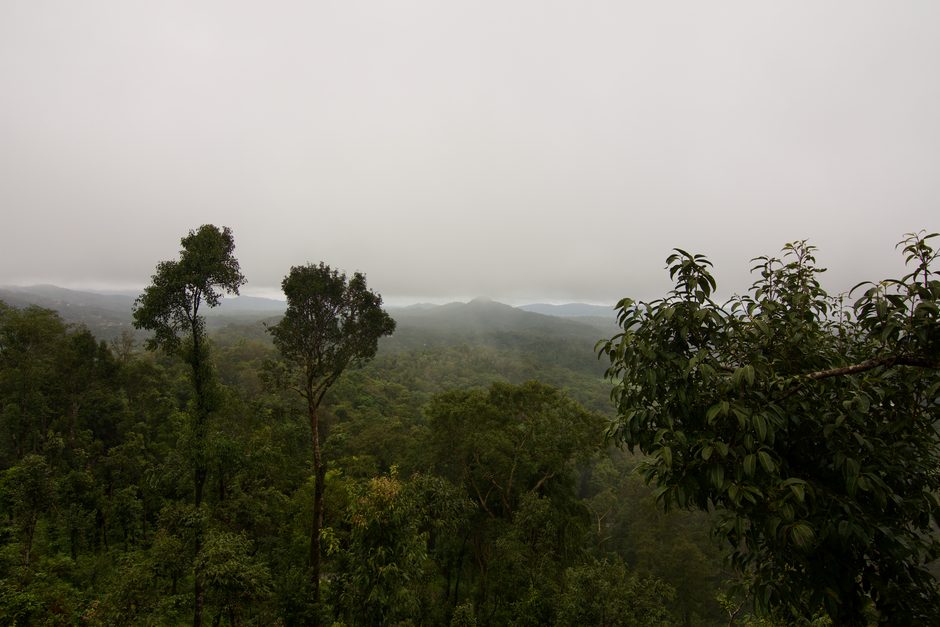
The flora and fauna of Coorg surprised me in ways I hadn’t expected. I’d visited expecting coffee plantations and misty hills, which I got, but the biodiversity hiding in those Western Ghats folds left me genuinely stunned. On a single morning walk near Madikeri, I spotted a Malabar giant squirrel, counted seven species of butterflies, and nearly stepped on a wild orchid growing at the base of a rosewood tree. This wasn’t a wildlife sanctuary. This was just the road to my homestay.
Coorg, officially Kodagu district in Karnataka, sits in one of the world’s 36 biodiversity hotspots. The Western Ghats region hosts species found nowhere else on Earth, and Coorg serves as a particularly accessible gateway to this ecological wealth. Most visitors come for the scenery and leave without realizing what they’ve missed.
Why Coorg’s Biodiversity Deserves Your Attention
The Western Ghats are older than the Himalayas. Let that sink in. These mountains have been quietly evolving species for over 150 million years while the Himalayas were still underwater. Coorg’s position between 900 and 1750 meters elevation creates multiple ecological zones within a compact area.
According to the Karnataka Forest Department, Kodagu district maintains 33% forest cover despite decades of coffee cultivation. The unique agroforestry model here, where coffee grows under native shade trees rather than in cleared plantations, has accidentally preserved habitat corridors that wildlife still uses. You’ll find elephants wandering through working coffee estates because the canopy never disappeared.
Native Trees and Plants You’ll Actually See
Forget botanical encyclopedias listing hundreds of species. Here’s what you’ll realistically encounter during a 3-day Coorg visit.
The silver oak dominates the landscape, planted extensively as shade for coffee. But look past it to find wild jackfruit, fig trees, and the magnificent rosewood that made this region famous before coffee arrived. The Myristica swamps near Bhagamandala contain wild nutmeg trees in one of the rarest freshwater ecosystems in India.
Orchids and Flowering Plants
Coorg hosts over 100 orchid species, though most bloom between September and February. The ground orchids along the Tadiandamol trek are easiest to spot. Wild balsams paint the monsoon hillsides pink and purple from July through September. If you’re visiting in April or May, the flame of the forest trees turn entire hillsides orange.
What plants are unique to Coorg? Several species occur only in the Western Ghats, including the Impatiens coorgensis, a balsam named specifically for this region. The undergrowth in shola forests contains endemic ferns and mosses that botanists are still cataloguing.
Wildlife Species and Where to Find Them
The Indian elephant is Coorg’s most visible large mammal. The Dubare Elephant Camp gets all the tourist attention, but wild herds roam the forests connecting Nagarhole and Brahmagiri sanctuaries. The Cauvery Nisargadhama area sees regular elephant movement, particularly during early mornings.
Leopards exist throughout Coorg’s forests but remain elusive. Your realistic mammal sightings will include Malabar giant squirrels (unmissable in their orange and black coats), Indian giant flying squirrels after dark, wild boar, sambar deer, and if you’re exceptionally lucky, gaur near the forest edges.
Birdwatching Opportunities
This is where Coorg truly shines. The region records over 250 bird species, with several Western Ghats endemics relatively easy to spot. The Malabar whistling thrush’s haunting morning call will wake you at every forest homestay. Grey-headed bulbuls, white-bellied blue flycatchers, and Nilgiri wood pigeons are common if you know where to look.
Is Coorg good for birdwatching? It’s exceptional, particularly for beginners. The Pushpagiri Wildlife Sanctuary and the forests around Talakaveri offer accessible trails where even casual observers can rack up 30-40 species in a morning. Bring binoculars and download the Merlin Bird ID app before arriving.
Best Wildlife Zones and Entry Points
Nagarhole National Park borders Coorg and offers the most structured wildlife experience. Entry from the Kutta gate puts you closest to Kodagu’s main attractions. Safari timings run 6:00-8:30 AM and 3:30-6:00 PM, costing ₹300 for Indians and ₹2,000 for foreigners in 2026. Book online through Karnataka Ecotourism at least a week ahead during peak season.
Brahmagiri Wildlife Sanctuary requires permits from the Virajpet Forest Office. The trek to Brahmagiri Peak passes through some of the least disturbed shola-grassland ecosystems in the Western Ghats. This isn’t a casual day trip though. You need proper trekking gear and ideally a local guide.
Talakaveri and Bhagamandala Forests
The source of the Cauvery River at Talakaveri sits within dense evergreen forest that’s often overlooked by pilgrims rushing to the temple. The road from Bhagamandala climbs through progressively wilder terrain. I’ve seen more wildlife along this 8-kilometer stretch than in many designated sanctuaries.
Budget Planning for a Wildlife-Focused Trip
Coorg isn’t as cheap as it was five years ago, but a wildlife-focused trip can still work on ₹2,500-4,000 per person daily.
Accommodation near forest areas runs cheaper than Madikeri town. Homestays in Siddapur, Somwarpet, and Virajpet taluks start at ₹1,200 per night for double rooms, often including breakfast. The Rainforest Retreat near Siddapur specifically caters to wildlife enthusiasts and maintains species checklists for guests.
Transport and Guide Costs
How much does wildlife touring in Coorg cost? A full-day vehicle hire costs ₹2,500-3,500 depending on whether you need a 4×4 for forest tracks. Local naturalist guides charge ₹1,500-2,500 daily. Split these costs with other travellers to keep expenses manageable. The Coorg Wildlife Society can connect you with certified guides who know specific birding spots and mammal territories.
Safari costs add up. Budget ₹500-600 per safari including jeep share and entry fees at Nagarhole. Private jeeps cost ₹4,000 but give you flexibility to wait at sightings rather than rushing through.
Ideal Itinerary for Flora and Fauna Exploration
Three days works, but four gives you breathing room for weather delays and second chances at elusive species.
Day 1: Arrive Madikeri by noon. Afternoon visit to Raja’s Seat and Abbey Falls for landscape orientation and common species. Evening walk through Madikeri town’s forested edges where civets and flying foxes emerge after dark. Base in Madikeri or move to a forest homestay.
Day 2: Early morning Nagarhole safari from Kutta gate, 45 minutes from Madikeri. Return via Dubare for the elephant experience if interested, though it’s touristy. Afternoon free for coffee estate walks where Malabar squirrels and forest birds are abundant. Consider a night safari if your homestay arranges them.
Days 3-4: Deep Forest Exploration
Day 3: Talakaveri sunrise visit for mountain birds, then descend to Bhagamandala. Explore the Myristica swamps if permits are arranged in advance. The drive back via Napoklu passes through excellent habitat with regular elephant sightings.
Day 4: Tadiandamol trek starts early. Karnataka’s highest peak offers grassland birds and ground orchids along the trail. The shola forest patches shelter species you won’t see elsewhere. Descend by early afternoon for the journey home.
Seasonal Considerations and Honest Limitations
When is the best time to see wildlife in Coorg? October through February offers optimal conditions with clear skies, comfortable temperatures, and animals concentrated near water sources. The monsoon months from June through September bring spectacular greenery and orchid blooms but make forest trails impassable and safaris impossible.
Here’s what guidebooks won’t tell you. Coorg’s wildlife viewing doesn’t compare to dedicated reserves like Bandipur or Kabini for large mammal density. You come here for the ecosystem experience, the endemic species, and the combination of cultural landscape with natural habitat. If you want guaranteed tiger sightings, look elsewhere.
The leech situation between July and October is genuinely unpleasant. They’re not dangerous but can turn a forest walk into an ordeal if you’re unprepared. Leech socks and salt help but don’t eliminate the problem.
Accommodation Recommendations for Wildlife Access
The Windflower Resort at Coorg, priced around ₹8,000-12,000 nightly, maintains a dedicated naturalist and organizes walks. At the budget end, Honey Valley Estate near Kakkabe offers basic rooms from ₹1,500 with direct forest access and owner-guided walks included.
For serious birders, Misty Woods Resort near Ponnampet positions you closest to Nagarhole and maintains feeding stations that attract forest birds. They maintain a species checklist and loan binoculars to guests who arrive without.
Wherever you stay, confirm that the property borders actual forest rather than just coffee plantations. The distinction matters enormously for morning wildlife activity.
Practical Tips From Personal Experience
Carry a good camera with at least 200mm zoom. Your phone won’t capture that Malabar trogon properly. Download offline maps since network coverage disappears in forest areas. Pack layers because Coorg mornings drop to 12°C while afternoons reach 28°C.
Learn five bird calls before arriving. The Malabar whistling thrush, racket-tailed drongo, and Asian koel are distinctive enough that recognizing them enriches every walk. The Karnataka Forest Department’s website lists species by sanctuary with audio files.
Finally, slow down. The flora and fauna of Coorg reveal themselves to patient observers, not rushed tourists checking off locations. Sit quietly at a forest edge for thirty minutes and you’ll see more than an hour of hiking covers. The Western Ghats have been here for 150 million years. They can spare you a morning.
0 Comment