


Manali Ghumne Ki Jagah: 15 Spots You Can’t Miss in 2026
I’ve been to Manali seven times now, and I still discover something new each visit. Last December, I stumbled upon a tiny cafe in Old Manali that served the best apple pie I’ve ever tasted, run by a Nepali family who’d been there for 22 years. That’s the thing about manali ghumne ki jagah that most travel guides miss entirely. The town isn’t just about ticking off Rohtang Pass and Solang Valley from your checklist. It’s about the unexpected corners, the conversations with apple orchard owners, and those moments when the Beas River sounds louder than your thoughts.
Most competitor guides push 7-day packages and cookie-cutter itineraries. I’m going to tell you what actually works based on real trips, real budgets, and real weather conditions that can turn your dream vacation into a soggy disappointment if you don’t plan right.
Why Your Timing Matters More Than Your Budget
Here’s something tour operators won’t advertise: Manali has roughly 200 days of genuinely good weather. The remaining 165 days range from challenging to downright miserable. March to June offers clear skies, blooming orchards, and temperatures between 10 to 25 degrees Celsius. September to November brings post-monsoon clarity with snow-capped peaks visible from Mall Road.
July and August? You’re gambling with landslides, blocked roads, and hotels that smell permanently damp. I’ve seen tourists stranded for three days near Kullu because the highway got blocked. The Himachal Pradesh Tourism Development Corporation actually issues advisories during peak monsoon, but most travellers book based on school holidays rather than weather logic.
Winter Visits: Worth the Risk?
December to February transforms Manali into a snow paradise, but here’s the honest truth. Rohtang Pass closes entirely. Many adventure activities shut down. Roads to Solang Valley become treacherous. However, if you’re specifically chasing snowfall and cozy cafe vibes, late January works beautifully. Hotel rates drop by 40% compared to peak summer.
Old Manali: Where the Real Character Lives
The 3-kilometer stretch from Mall Road to Old Manali village represents everything the main town isn’t. Quiet lanes, stone cottages, Israeli bakeries, and guesthouses where you can hear the Manalsu stream from your window. Most tourists treat Old Manali as a half-day excursion. That’s a mistake.
Stay here instead. Properties like Dragon Guest House or Drifters Inn cost between Rs 800 to Rs 2000 per night and place you within walking distance of the Hadimba Temple. The famous Cafe 1947 and Lazy Dog Lounge are here. So are the best sunrise views if you’re willing to wake up at 5:30 AM and walk toward the orchard trails behind the village.
Hadimba Temple: Beyond the Instagram Photos
Every manali ghumne ki jagah list starts with Hadimba Temple, and for good reason. This 16th-century wooden shrine dedicated to Hidimbi Devi sits in a cedar forest that feels genuinely ancient. But here’s what photos don’t show: the temple gets obscenely crowded between 10 AM and 4 PM. Tour buses unload hundreds of visitors who spend exactly 12 minutes taking selfies.
Visit at 7 AM instead. You’ll find maybe five other people, actual monks performing morning rituals, and light filtering through the deodar trees in ways that make photography effortless. The temple architecture features intricate wood carvings that you simply cannot appreciate with 200 people jostling around you.
Solang Valley: The Honest Assessment
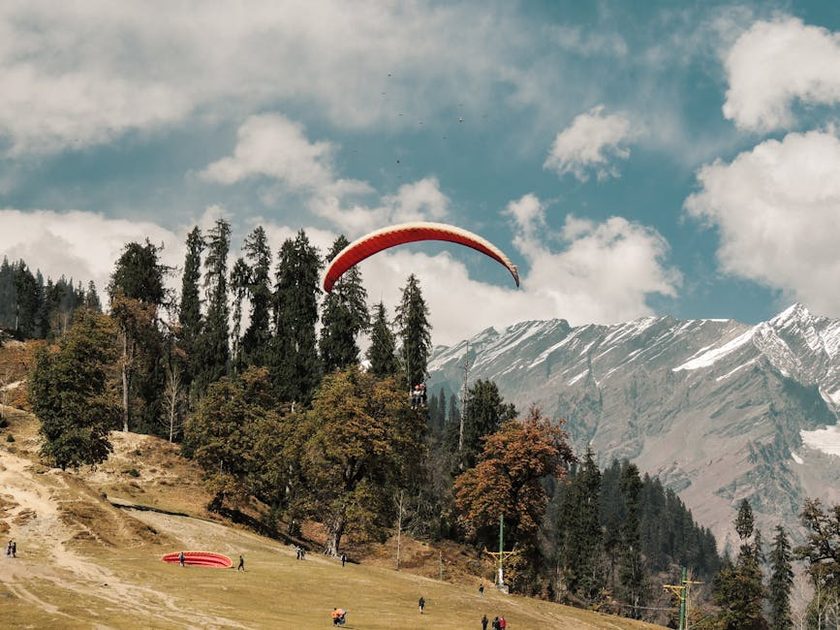
Solang Valley sits 13 kilometers from Manali town and dominates every tourist itinerary. During winter, it offers legitimate skiing. During summer, you get paragliding, zorbing, and ATV rides. The Himachal Tourism department has invested significantly in infrastructure here, including a ropeway to Patalsu Peak.
However, the valley has become heavily commercialized. Expect aggressive vendors, inflated adventure sport prices, and crowds that rival Mumbai local trains on weekends. A 10-minute paragliding session costs Rs 2500 to Rs 3500 depending on your bargaining skills. Is it worth visiting? Absolutely. Should you spend an entire day here? Only if you’re genuinely interested in snow activities.
What Activities Actually Deliver Value
Skip zorbing, which feels gimmicky after 30 seconds. The ropeway ride to Patalsu Peak offers stunning valley views and costs Rs 500 for a return ticket. If you’re visiting between December and February, the ski slopes provide genuine beginner-friendly experiences with equipment rental available for Rs 1000 to Rs 1500 per hour.
Rohtang Pass: Managing Expectations
The 51-kilometer journey from Manali to Rohtang Pass at 3,978 meters elevation represents both Manali’s biggest draw and its most frustrating experience. The pass opens typically from May to November, requires an online permit costing Rs 550 per person through the Himachal Pradesh government portal, and involves traffic jams that can stretch to 4 hours.
My recommendation: book your permit at least 48 hours in advance during peak season. Leave Manali by 4 AM to beat the rush. Yes, 4 AM. The early morning views of the Pir Panjal range make the sleep deprivation worthwhile. Most tour operators suggest 7 AM departures, which lands you in the worst traffic.
Jogini Waterfall: The Hike Most Tourists Skip
Located 3 kilometers from Vashisht village, the Jogini Waterfall trek offers something Manali desperately needs: genuine solitude. The 45-minute uphill walk passes through apple orchards, small shepherd settlements, and forest sections where you won’t see another tourist for stretches of 20 minutes.
The waterfall itself drops 160 feet into a small pool where locals sometimes swim during summer. Carry water, wear proper shoes, and don’t attempt this during or immediately after rain. The path becomes slippery and genuinely dangerous. I’ve seen tourists in flip-flops turn back halfway, frustrated and muddy.
Vashisht Hot Springs: Local Healing Waters
About 3 kilometers from Mall Road, Vashisht village houses ancient hot water springs believed to have medicinal properties. The water contains sulfur and maintains temperatures around 40 degrees Celsius year-round. Public baths are free but get crowded. The Vashisht Temple adjacent to the springs dates back to the 4th century.
Visit early morning or late evening for cleaner, quieter bathing. Many visitors find the sulfur smell overwhelming initially. It fades after a few minutes. The nearby guesthouses offer private hot spring baths for Rs 100 to Rs 200 if public bathing isn’t your thing.
Budget Breakdown: What Manali Actually Costs
Forget the Rs 50,000 package deals that tour companies push. A well-planned 5-day Manali trip for two can cost between Rs 15,000 to Rs 25,000 if you’re smart about it. Here’s the realistic breakdown based on my 2026 visit last January.
Accommodation in Old Manali: Rs 1200 to Rs 2500 per night. Meals at local dhabas and cafes: Rs 400 to Rs 700 per day per person. Rohtang Pass taxi hire: Rs 2500 to Rs 3500 for the full day. Solang Valley activities: Rs 2000 to Rs 4000 depending on what you choose. The Volvo bus from Delhi costs Rs 1200 to Rs 1800 one way through HRTC or private operators.
The Places Nobody Talks About
Naggar Castle, 21 kilometers from Manali, served as the capital of Kullu kingdom for centuries. The stone and wood structure now operates as a heritage hotel with rooms starting at Rs 2000. Even if you don’t stay, the valley views from the castle courtyard surpass anything in main Manali.
The Roerich Art Gallery in Naggar houses works by Russian painter Nicholas Roerich who lived here during the 1940s. Entry costs Rs 50, and you’ll likely have the galleries to yourself. How long should you spend in Manali to see everything? Most travellers need 4 to 5 full days to cover major attractions without rushing.
Getting There Without the Headache
The nearest airport is Bhuntar, 50 kilometers away, with limited flights from Delhi costing Rs 5000 to Rs 12,000 depending on season. Most travellers prefer the overnight Volvo from Delhi which takes 12 to 14 hours and drops you at the main bus stand by morning.
Private taxis from Delhi charge Rs 8000 to Rs 12,000 one way but offer flexibility for stops at Chandigarh or Mandi. The Kalka-Shimla toy train followed by a bus to Manali makes a scenic alternative if you’ve got extra time and patience.
Final Thoughts on Planning Your Visit
Manali ghumne ki jagah extend far beyond the Instagram-famous spots that dominate search results. The town rewards exploration, early mornings, and willingness to walk past the obvious tourist areas. Book accommodation in Old Manali or Vashisht rather than the congested Mall Road zone. Visit Rohtang early, skip Solang on weekends, and leave at least one day completely unplanned for wandering.
The Himalayas have a way of slowing you down if you let them. Most visitors pack too many destinations into too few days and return home exhausted. Plan less, experience more. Your best memories from Manali probably won’t happen at the spots I’ve listed here. They’ll happen somewhere in between.
0 Comment