


Bhopal Visiting Places That Deserve Your Time
I spent three weeks in Bhopal last winter, and the city surprised me in ways I didn’t expect. Most travel guides push the same five spots, but the capital of Madhya Pradesh has layers that take time to uncover. The lakes are stunning, sure. But it’s the narrow lanes of the old city, the unexpected wildlife encounters, and the genuinely affordable food scene that made me extend my trip twice.
This isn’t another list copied from tourism brochures. I’ve walked these streets, haggled at these markets, and made plenty of mistakes so you don’t have to. Here’s what actually matters when exploring Bhopal visiting places in 2026.
Understanding Bhopal’s Geography Before You Go
Bhopal splits into two distinct personalities. New Bhopal sprawls around the DB Mall area with wide roads, chain restaurants, and modern hotels. Old Bhopal clusters around Chowk Bazaar, where Mughal architecture meets chaotic commerce. The Upper and Lower Lakes sit between these two worlds, acting as the city’s lungs.
This geography matters for planning. If you’re staying near the railway station, you’re roughly 7 km from most major attractions. Auto-rickshaws charge around Rs 15 per kilometre, but Ola and Uber work reliably here. I’d recommend staying in the Shamla Hills area for the best balance of accessibility and lake views.
Upper Lake and Lower Lake: More Than Photo Spots
The Upper Lake, locally called Bada Talab, is Asia’s largest artificial lake. That’s the fact everyone quotes. What they don’t mention is that the eastern shore near Boat Club offers kayaking sessions for Rs 300 per hour, and morning slots before 8 AM give you the water almost entirely to yourself.
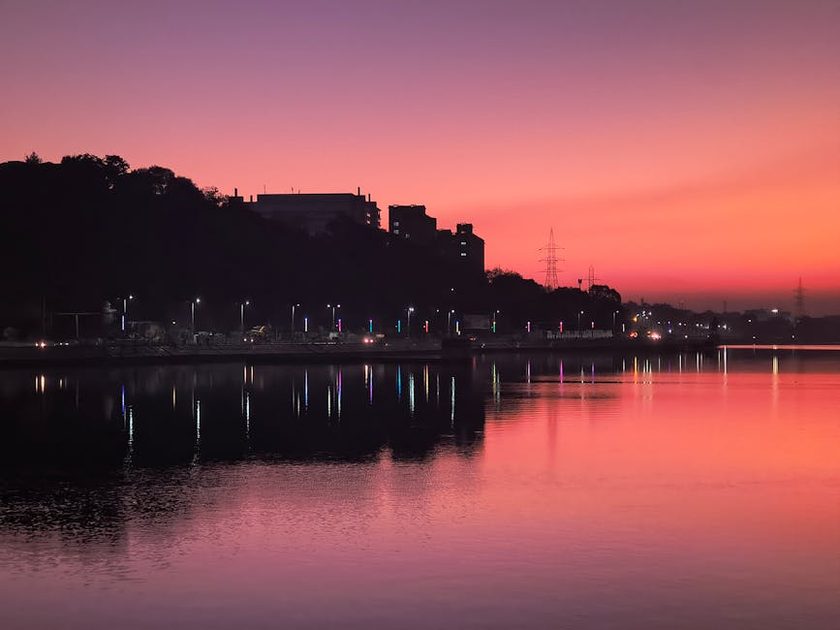
Lower Lake connects through an overflow channel and feels more intimate. The promenade along VIP Road gets crowded on weekends, but weekday evenings around 5 PM offer perfect walking conditions. Street vendors sell roasted corn and chai for under Rs 50, and the sunset views rival any coastal destination I’ve visited.
Boat Rides Worth Taking
The MP Tourism boat club operates pedal boats, motor boats, and cruise options. Skip the pedal boats unless you want a workout. The 30-minute motor boat ride at Rs 150 per person covers more ground and lets you appreciate the Lakshmi Narayan Temple from the water. Cruise timings shift seasonally, so check directly with the boat club rather than relying on outdated online information.
Bhimbetka: The Day Trip That Changes Perspective
Located 46 km south of Bhopal, the Bhimbetka rock shelters contain paintings over 30,000 years old. I’ve visited ancient sites across India, and this UNESCO World Heritage location still felt different. Perhaps it’s the casual intimacy of walking through caves our ancestors actually lived in.
The site opens at 7 AM and closes at 5:30 PM. Entry costs Rs 40 for Indians and Rs 500 for foreign nationals. Hire a local guide at the entrance for Rs 200, as the stories behind specific paintings add crucial context. The drive takes about 90 minutes through pleasant countryside, and combining it with Bhojpur Temple on the return route makes for a full day trip.
Sanchi Stupa: Buddhist Heritage An Hour Away
Sanchi sits 46 km northeast, roughly the same distance as Bhimbetka but in the opposite direction. Emperor Ashoka commissioned these stupas in the 3rd century BCE, and the Great Stupa remains remarkably intact. The carved gateways showing Buddha’s life through symbols rather than human figures represent some of India’s finest ancient sculptural work.
Most visitors from Bhopal treat this as a half-day trip, which feels rushed. The archaeological museum on-site deserves at least an hour, and the monastery ruins scattered across the hill reward slow exploration. MP Tourism runs a decent cafeteria near the entrance where you can grab lunch for Rs 150-200.
Van Vihar National Park: Wildlife Within City Limits
Van Vihar confuses visitors because it functions more like a large zoo than a traditional national park. But that’s not a criticism. The 445-hectare space houses rescued and orphaned animals in semi-natural enclosures. I watched a tiger for twenty minutes from the walking path, something impossible in actual wilderness where sightings depend on luck.
The park allows personal vehicles, cycles, and walking. I’d recommend the cycling option at Rs 50 per hour. The road runs 5 km along the Upper Lake shore, and early mornings bring sightings of nilgai, sambhar deer, and various bird species. Entry costs Rs 50 for adults and Rs 15 for children.
Old Bhopal: Where the City Reveals Its Character
The Chowk Bazaar area surrounding Jama Masjid is chaotic, crowded, and essential to understanding Bhopal. This isn’t curated heritage. It’s living history, where perfume shops, fabric stores, and street food stalls have operated for generations.
Gohar Mahal, built by the first Begum of Bhopal in 1820, sits at the bazaar’s edge overlooking the Upper Lake. The building hosts cultural events and craft exhibitions, though regular visiting hours can be inconsistent. The pink sandstone facade photographs beautifully in late afternoon light.
Food Worth Seeking Out
Bhopal’s food scene centers on two things: kebabs and poha-jalebi. For kebabs, Manohar Dairy near Hamidia Road serves excellent seekh kebabs for Rs 40-60 per plate. The breakfast combination of poha topped with sev and paired with hot jalebis costs under Rs 50 at most local stalls around Chatori Gali. Don’t skip the namkeen and bhutte ka kees sold from push carts in the old city.
Museums That Actually Engage Visitors
The Tribal Museum, officially called the Madhya Pradesh Tribal Museum, ranks among India’s best designed museums. Interactive displays, life-size dioramas, and thoughtful curation make the tribal cultures of central India accessible without feeling exploitative. Allow two hours minimum. Entry is free, and the building itself, designed around a central courtyard, deserves architectural appreciation.
The State Museum houses archaeological finds from across Madhya Pradesh, including sculptures from Bharhut and paintings from various periods. It’s more traditional in approach but comprehensive in scope. The Regional Science Centre works well if you’re traveling with children, though adults might find it basic.
Timing Your Visit: Honest Seasonal Advice
October through March offers the most comfortable weather for exploring Bhopal visiting places. December and January bring chilly mornings, so pack a light jacket. April through June gets brutally hot, with temperatures regularly crossing 42°C. I wouldn’t recommend outdoor sightseeing during these months unless you’re prepared for heat stroke risks.
The monsoon months from July to September transform the lakes but make outdoor attractions like Bhimbetka slippery and sometimes inaccessible. If you visit during Diwali or Eid, expect significant crowds at popular spots but also experience the city’s festive energy.
Where to Stay: Practical Recommendations
Budget travelers should look at hotels near the railway station, where rooms start around Rs 800-1000 per night. Jehan Numa Palace, a heritage property in Shamla Hills, offers a completely different experience at Rs 6000-8000 but includes beautiful grounds and genuine character. The Courtyard by Marriott near DB Mall provides reliable international standards for business travelers.
For something different, Jehan Numa Retreat sits about 15 km outside the city and serves as a base for wildlife excursions. Homestay options have expanded recently through platforms like Airbnb, with several well-reviewed properties in the New Bhopal area.
Getting Around: Transport Realities
Raja Bhoj Airport connects Bhopal to Delhi, Mumbai, Hyderabad, and several other cities with multiple daily flights. The journey from Delhi takes about 90 minutes by air versus 10-12 hours by train. Habibganj and Bhopal Junction serve as the main railway stations, both well-connected to major Indian cities.
Within the city, app-based cabs work efficiently in most areas. Auto-rickshaws require negotiation but generally follow meter rates of Rs 15 per kilometre with a minimum charge of Rs 30. The local bus network exists but remains confusing for visitors. For day trips to Sanchi or Bhimbetka, hiring a taxi for the day costs Rs 2000-2500 depending on vehicle type.
The Honest Assessment
Bhopal works best as a 3-4 day destination. Rush through in one day and you’ll miss the texture that makes it memorable. The city doesn’t overwhelm with monuments like Varanasi or dazzle immediately like Udaipur. It rewards patience and curiosity, revealing itself through conversations with shopkeepers, evening walks along the lakes, and the particular blend of Nawabi culture with modern Indian ambition.
Some things frustrate visitors. Signage at historical sites often lacks detail. Public toilets remain inadequate at most attractions. Traffic congestion in Old Bhopal tests patience. But these are familiar Indian travel challenges, not unique Bhopal problems.
What the city offers in return feels worth the trade-offs. Affordable exploration, genuinely friendly locals, food that surprises even well-traveled Indian visitors, and cultural depth that doesn’t require massive entrance fees or guided tours to appreciate.
0 Comment