

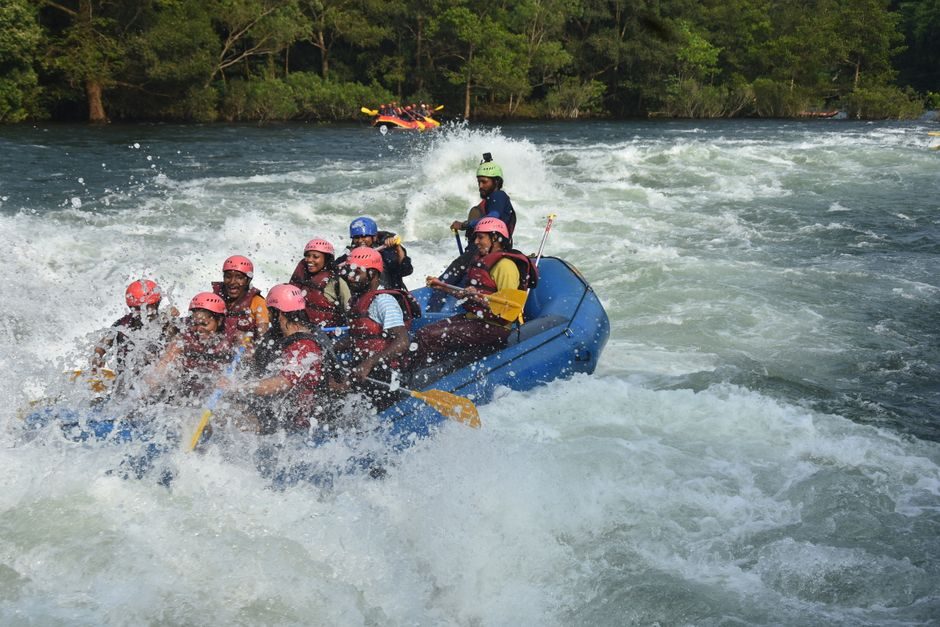

White Water Rafting Coorg: What Nobody Tells You
I’ll be honest with you. White water rafting in Coorg isn’t what most travel blogs make it out to be. The coffee hills of Kodagu district don’t actually have traditional rafting within the town itself. The rapids you’re looking for are on the Barapole River, located about 95 kilometres from Coorg’s main hub of Madikeri, technically falling in the Wayanad district of Kerala. Does that mean you shouldn’t plan this adventure from Coorg? Absolutely not. It just means you need better information than the generic articles floating around.
Having coordinated trips for friends heading from Bangalore to this region, I’ve seen the confusion firsthand. People book “Coorg rafting packages” expecting rapids near their homestay, then spend half their day in a car. Let’s fix that knowledge gap right now.
The Barapole River Reality Check
The Barapole River originates in the Brahmagiri hills and flows through the Western Ghats before entering Kerala. This 70-kilometre river offers Class II to Class IV rapids depending on the season and water release schedules. The rafting stretch typically covers 4 to 7 kilometres, taking about 45 minutes to an hour of actual time on water.
Grade III rapids like “Morning Coffee” and “The Ramp” provide genuine thrills without requiring prior experience. Grade IV sections appear during peak monsoon runoff, usually late July through August, and operators may restrict these to experienced rafters only.
Distance From Key Coorg Locations
From Madikeri town centre, Barapole rafting points sit approximately 90 to 100 kilometres away. That’s a 2.5 to 3 hour drive through winding ghat roads. If you’re staying in Virajpet, you’re looking at roughly 75 kilometres. From popular stays near Abbey Falls or Raja’s Seat, add another 15 minutes to your Madikeri estimate.
The drive itself passes through Kutta and the Nagarhole buffer zone, so you might spot wildlife if you leave early. I’d recommend a 6 AM departure to reach the rafting point by 9 AM, avoiding both the afternoon sun and potential afternoon thundershowers.
Best Time to Go Rafting Near Coorg
September through November offers the sweet spot. The monsoon has charged the river adequately, water levels remain safe, and the surrounding forests look impossibly green. October particularly stands out because rainfall reduces but water volume stays high from upstream reservoirs.
December through February works well too, though rapids intensity drops to Grade II levels. You’ll get gentler waters, pleasant weather, and fewer crowds. Families with children often prefer this window.
Months to Avoid
March through May sees the river at its lowest. Some operators shut down entirely by mid-April because there’s simply not enough water for a meaningful experience. June through August brings heavy rainfall, and while rapids intensify dramatically, safety concerns rise proportionally. Several operators pause bookings during the heaviest monsoon weeks. The Kerala tourism department occasionally issues advisories restricting water activities during this period.
What Does White Water Rafting in This Region Actually Cost?
Expect to pay between 1,200 and 2,500 rupees per person for the rafting experience alone. This price typically includes safety equipment, trained guides, and the rafting stretch. Some operators bundle cliff jumping and zip lining for an additional 500 to 800 rupees.
If you’re booking a package from Coorg that includes transportation, lunch, and rafting, prices range from 3,500 to 5,500 per person depending on the operator and group size. Solo travellers often find joining existing groups more economical than booking private transfers.
Hidden Costs Nobody Mentions
Photography and video services at the rafting point cost extra, usually 300 to 500 rupees. You can’t bring your own phone on the raft due to obvious water damage risks. Some operators charge nominal amounts for changing room access and hot water showers. Parking fees at private rafting camps run 50 to 100 rupees. Factor in at least one meal stop during the drive, adding another 200 to 400 per person.
Is Prior Swimming Experience Required?
No, you don’t need to know swimming. Life jackets keep you afloat regardless of swimming ability. Guides provide detailed safety briefings covering what to do if you fall overboard. The key instruction involves floating on your back with feet pointed downstream until rescue comes.
That said, non-swimmers sometimes experience heightened anxiety, especially on stronger rapids. If you’re genuinely uncomfortable around water, consider choosing the December to February period when rapids are gentler.
Choosing the Right Operator: What I’ve Learned
Dandeli and Coorg rafting have matured significantly, but operator quality still varies wildly. Look for companies affiliated with the Adventure Tour Operators Association of India. Check whether guides hold valid rescue certifications. The ratio should never exceed 8 rafters per trained guide.
Established names operating in the Barapole stretch include Thrillophilia partners, Coorg Adventures, and several local Kerala tourism approved operators. Reading recent Google reviews helps more than glossy website photos. Pay attention to safety-related comments specifically.
Red Flags to Watch For
Avoid operators who can’t clearly state their guide-to-rafter ratio. Be wary of suspiciously cheap deals, often indicating older equipment or overcrowded rafts. If they can’t show you the life jackets and helmets before you pay, walk away. Legitimate operators welcome these questions.
What Should You Wear and Bring?
Wear quick-dry shorts or swimwear with a synthetic t-shirt. Cotton holds water and becomes uncomfortable. Secure footwear matters enormously, sports sandals with heel straps or old sneakers you don’t mind getting wet work best. Flip-flops will float away within minutes.
Bring a complete change of clothes including underwear, a small towel, and a plastic bag for wet items. Sunscreen applied before starting helps prevent burns from water reflection. If you wear glasses, a sports strap is non-negotiable.
Combining Rafting With Your Coorg Itinerary
The smartest approach involves positioning rafting on either your first or last day, depending on your arrival direction. If driving from Bangalore via Mysore, hit Barapole first since it’s somewhat en route before reaching Madikeri. You’ll arrive at your Coorg accommodation by late afternoon.
Alternatively, save rafting for your final day. Leave your Coorg resort by 6 AM, complete rafting by noon, grab lunch at one of the local joints in Kutta, and head back toward Bangalore. This way, your core Coorg sightseeing, Abbey Falls, Dubare, Raja’s Seat, and plantation visits, remains undisturbed.
A Sample Two-Day Plan
Day one: Arrive at Coorg by noon, visit Abbey Falls and Raja’s Seat sunset point, dinner at your homestay. Day two: Early departure for Barapole, rafting by 10 AM, lunch near Kutta, drive back to Bangalore or continue to Wayanad for extended exploration. This keeps driving efficient without wasted backtracking.
Physical Fitness and Age Restrictions
Most operators set a minimum age of 14 years for rapids above Grade II. Some allow children as young as 10 during calmer winter months with parental consent. Upper age limits typically cap at 55 to 60, though fit individuals older than this have participated without issues.
You don’t need exceptional fitness, but paddling continuously for 45 minutes requires baseline stamina. Anyone with heart conditions, recent surgeries, or severe back problems should consult their doctor first. Pregnancy is an automatic disqualification across all reputable operators.
The Honest Limitations You Should Know
Let me be direct about something. This isn’t Rishikesh. The Barapole offers shorter rapids and a briefer overall experience compared to the Ganges stretches in Uttarakhand. If you’re an experienced rafter seeking extreme adventure, you might find this underwhelming. For first-timers or casual adventure seekers combining this with a Coorg vacation, it hits the right spot.
Road conditions between Coorg and the rafting points remain inconsistent, especially post-monsoon. Expect some rough patches and occasional delays due to landslide clearance work during October.
Booking Tips for 2026
Weekends between October and December book out fast. Reserve at least two weeks in advance during this peak window. Weekday slots usually remain available with just three to four days notice. Online booking through platforms like Thrillophilia or directly with operators via WhatsApp tends to offer better rates than walk-in prices.
Ask specifically about cancellation policies. Weather-related cancellations should offer full refunds or rescheduling. Traveller-initiated cancellations typically retain 20 to 30 percent as booking fees.
White water rafting near Coorg delivers exactly what it promises: a solid adventure punctuating your coffee country escape. Just go in knowing the geography, the costs, and the seasonal realities. The Western Ghats have enough genuine magic without needing exaggerated expectations.
0 Comment