

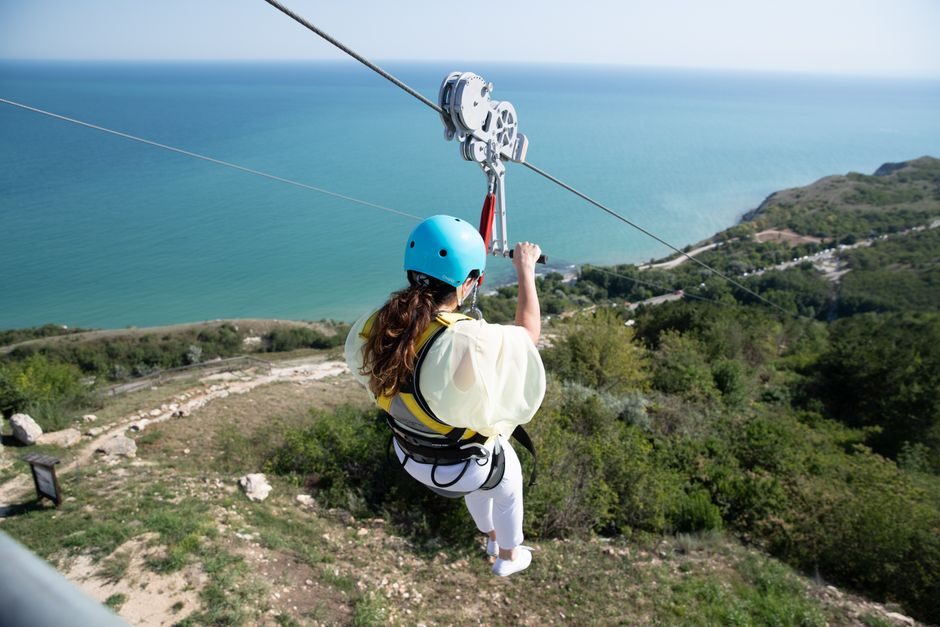

Highest Zipline in India: What Nobody Tells You
Standing at 8500 feet above sea level, the highest zipline in India stretches across Janjehli Valley in Himachal Pradesh. I visited this zipline last October, and let me tell you, the YouTube videos don’t prepare you for that first step off the platform. Your stomach drops, the wind hits your face, and suddenly you’re racing at 60 kmph across a valley that looks like a Windows XP wallpaper come to life.
But here’s what frustrated me before my trip. Every article I found just repeated the same basic facts. Nobody mentioned the road conditions, the best time to actually see the mountains clearly, or whether the experience justified the 850 km round trip from Delhi. So I’m writing the guide I wished existed.
Where Exactly Is This Zipline Located
The zipline operates in Janjehli Valley, about 80 km from Mandi town in Himachal Pradesh. Janjehli is a small village at an altitude of roughly 2150 meters, surrounded by dense deodar forests and apple orchards. The zipline was developed by the Himachal Pradesh Tourism Development Corporation in partnership with private operators.
From Delhi, expect a 10-12 hour drive via Chandigarh and Mandi. The last 30 km from Mandi to Janjehli takes about 90 minutes because the road narrows significantly. I’d recommend staying overnight in Mandi if you’re arriving late rather than attempting the mountain roads after dark.
Getting There Without a Car
Buses run from Mandi to Janjehli twice daily, departing at 8 AM and 2 PM. The fare is around 120 rupees. From Delhi, take an overnight Volvo to Mandi (around 1100 rupees on HRTC buses), then catch the morning local bus. Alternatively, shared taxis from Mandi cost 300-400 rupees per person if enough passengers show up.
Technical Details That Actually Matter
The Janjehli zipline spans approximately 1100 meters, making it one of the longest in Asia. You’ll be suspended anywhere between 100 to 400 feet above the valley floor depending on the terrain below. The ride lasts about 90 seconds, though it feels much shorter when you’re screaming.
The harness system uses dual cables for redundancy. Each rider gets clipped to both lines simultaneously. Weight limits range from 30 kg minimum to 130 kg maximum. Kids under 12 need guardian consent, and they check ID cards pretty thoroughly now after some incidents elsewhere in the country.
How Much Does the Highest Zipline Cost
The standard ticket price sits at 1600 rupees per person for Indian nationals as of early 2026. Foreign tourists pay 2500 rupees. This includes the zipline ride, safety briefing, and basic insurance coverage. GoPro rentals cost an additional 500 rupees if you want footage of your ride.
Here’s something the official website doesn’t mention clearly. The base camp charges 100 rupees for parking, and there’s a 50 rupee “adventure zone entry fee” at the gate. Budget for around 1800 rupees total if you want the complete experience without surprises.
Is It Worth the Money
Compared to bungee jumping at Rishikesh (3500 rupees) or the Manali paragliding circuit (2500-4000 rupees), the zipline offers decent value for the duration and altitude involved. The Kolad zipline in Maharashtra costs similar but runs only 500 meters at lower elevation. For pure thrill per rupee, Janjehli wins.
Best Time to Visit for Clear Views
March through June offers the clearest skies and most comfortable temperatures. Morning slots between 9 AM and 11 AM give you the best visibility before afternoon clouds roll in. I went in October, which was pleasant but slightly hazy from post-monsoon moisture.
Avoid the monsoon season entirely. The zipline typically closes from mid-July through August due to safety concerns. The roads become genuinely dangerous during heavy rains, with landslides common on the Mandi-Janjehli stretch. The Himachal Pradesh Tourism Board posts closure updates on their official portal.
Crowd Patterns Throughout the Year
Weekends in May and June see the longest queues, sometimes 2-3 hours during peak hours. Weekday visits in April or early May are your best bet for minimal waiting. Winter months (December-February) see fewer tourists, but occasional snowfall can disrupt operations unpredictably.
What About Safety and Who Should Avoid This
The operators maintain decent safety standards. Equipment gets inspected daily, and the staff seem well-trained based on my observation. However, I noticed a few riders who clearly had pre-existing anxiety getting talked into it by friends. If you have a genuine fear of heights, this isn’t the place to test yourself. The exposure is real and unrelenting.
People with heart conditions, pregnant women, and those with recent back or neck injuries should skip this. The sudden acceleration and wind pressure can be intense. The operators ask you to sign a liability waiver, which should tell you something about the inherent risks involved.
Where to Stay Near the Zipline
Janjehli itself has limited accommodation. The HPTDC Hotel Janjehli offers basic rooms starting at 1800 rupees per night. It’s clean and government-run, so expectations should be calibrated accordingly. A few homestays have popped up in recent years, charging 1000-1500 rupees for rooms with meals included.
For better options, Mandi town has proper hotels like Hotel Evening Plaza and Hotel Raj Mahal with rooms between 1200-2500 rupees. You sacrifice proximity but gain reliable hot water, wifi, and food options beyond the single dhaba near the zipline base.
Combining With Other Activities
The Shikari Devi Temple sits 12 km from Janjehli and makes for an excellent half-day excursion. The trek to the temple takes about 3 hours round trip through beautiful forest trails. Prashar Lake, another stunning destination, lies about 50 km away and can be combined into a 2-3 day Himachal trip.
Booking Process and Advance Reservations
Online bookings open on the HPTDC adventure tourism portal about 30 days in advance. Slots fill up fast during peak season weekends. Walk-in tickets are available but can mean waiting hours or getting turned away entirely on busy days.
I’d strongly recommend booking your slot at least a week ahead for weekend visits. The confirmation email serves as your entry pass, so screenshot it in case of network issues at the location. Phone network coverage in Janjehli ranges from patchy to non-existent depending on your carrier.
Common Mistakes Visitors Make
Wearing loose clothing is the biggest one. Sandals, loose duppattas, and anything that could catch wind becomes a safety hazard. Wear proper closed shoes and fitted clothes. The briefing mentions this, but people ignore it and then spend 20 minutes changing before their turn.
Another mistake is underestimating the travel time. Google Maps shows 8 hours from Delhi, but factor in pee breaks, food stops, and the inevitable slow-moving trucks on mountain roads. Plan for 11-12 hours realistically. Arriving exhausted ruins the experience.
Honest Assessment After Doing It
The highest zipline in India delivers genuine thrills. The combination of altitude, speed, and Himalayan scenery creates something unique. But it’s not life-changing. You’ll feel accomplished, get some good photos, and have a story to tell. Is it worth a dedicated trip from Mumbai or Bangalore? Probably not. Is it worth a detour if you’re already exploring Himachal? Absolutely.
The infrastructure around the zipline remains underdeveloped. Food options are limited, restrooms are basic, and the overall experience outside the actual ride feels rough around the edges. If you need polished adventure tourism with proper facilities, stick to Rishikesh or Manali. If you’re okay with a slightly rugged experience for something genuinely off the beaten path, Janjehli won’t disappoint.
Just don’t forget to charge your phone before the ride. You’ll want those photos.
0 Comment