

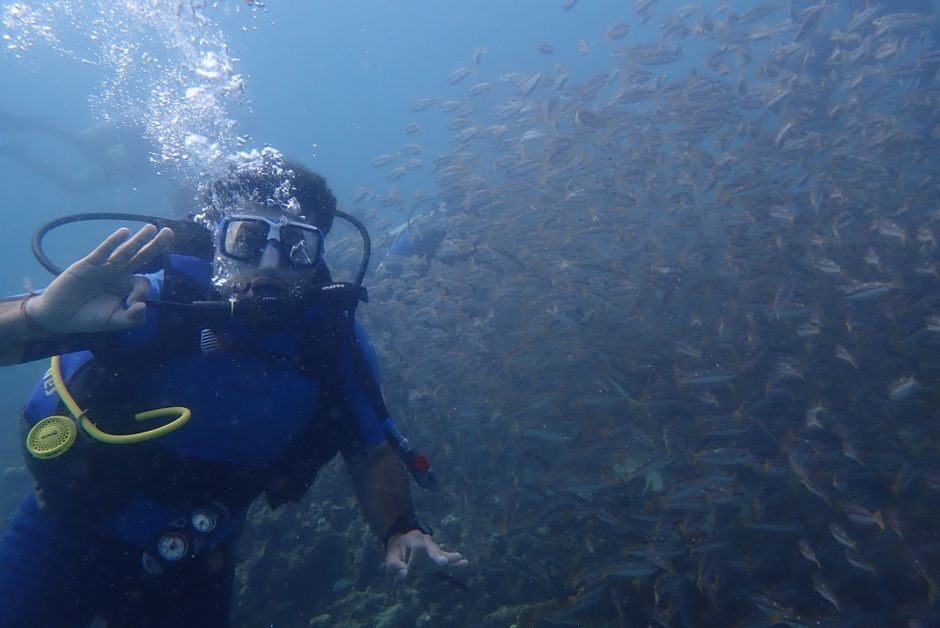

Netrani Island Scuba Diving Best Time in 2026
I spent three days last October bobbing around Netrani Island with a dive instructor who had logged over 400 dives at this tiny speck of rock. His advice was blunt: most people show up at the wrong time and blame the island for murky water. The truth is, Netrani Island scuba diving best time falls within a narrow window, and missing it means the difference between spotting blacktip reef sharks and staring at greenish soup.
This uninhabited island sits 19 kilometres off the coast of Murudeshwar in Karnataka. It covers barely 0.02 square kilometres, shaped like a heart when viewed from above. The Indian Navy uses it for target practice occasionally, which keeps permanent structures off the island. What lies beneath the surface, however, is why divers make the journey.
Why Timing Matters More Here Than Elsewhere
Netrani isn’t like the Andamans or Lakshadweep where you get reasonable visibility across several months. This island sits in the Arabian Sea along the western coast, directly in the path of the southwest monsoon. The monsoon doesn’t just bring rain. It churns up sediment from the seabed, reduces visibility to under 2 metres, and creates surface swells that make boat rides genuinely dangerous.
The visibility at Netrani can swing from 25 metres on a good October morning to 3 metres in early June. That’s not an exaggeration. Karnataka’s coastal waters receive massive freshwater inflows during monsoon, and the plankton blooms that follow cloud everything.
The Optimal Diving Window: October to May
The best time for Netrani Island scuba diving runs from mid-October through the end of May. Within this period, conditions vary enough that serious divers should plan around specific months.
October and November offer the clearest water. The monsoon has fully retreated, sediment has settled, and underwater visibility frequently exceeds 20 metres. Water temperature hovers around 27-28 degrees Celsius, warm enough that a 3mm wetsuit suffices. These months also coincide with peak marine life activity as fish return to shallower waters.
December through February brings slightly cooler water, dropping to 24-25 degrees. Visibility remains excellent, typically 15-20 metres. This period sees the highest tourist footfall, so advance booking becomes essential. Weekends in January can have 30-40 divers at popular sites.
Month by Month Breakdown for 2026
October to November: Prime Conditions
If you can only pick one window, choose late October. Water clarity peaks, marine life is abundant, and the post-monsoon calm means flat seas. You might spot whale sharks during this period, though sightings aren’t guaranteed. The downside is unpredictable weather, with occasional late cyclonic activity in the Bay of Bengal affecting Arabian Sea conditions.
December to February: Peak Season Crowds
Visibility stays strong but expect company. Dive operators run multiple batches daily, and the beach at Murudeshwar gets crowded with tourists visiting the Shiva statue. Water temperature dips enough that some divers prefer a 5mm wetsuit. Marine life remains consistent with regular sightings of stingrays, moray eels, and the occasional reef shark.
March to May: Warming Waters
This stretch works for diving but comes with caveats. Water warms to 29-30 degrees, which sounds pleasant but can reduce dissolved oxygen and push some fish species deeper. Visibility drops slightly, averaging 12-15 metres. By mid-May, you’re gambling with early monsoon arrivals. I’ve heard of dive trips cancelled in the last week of May due to sudden squalls.
What Marine Life Will You Actually See
The Karnataka Tourism Department and operators often oversell Netrani’s marine diversity. Let me give you realistic expectations. The island’s coral coverage has degraded over the past decade. You won’t see the pristine reef systems found in the Andamans.
What Netrani does offer is pelagic action. Blacktip reef sharks patrol the deeper zones, especially between October and December. Schools of barracuda are common year-round during the diving season. Manta rays appear sporadically, with most sightings reported in March and April. The island’s rocky underwater terrain hosts giant groupers, lionfish, and various species of triggerfish.
Turtle sightings happen but aren’t frequent. The island lacks the seagrass beds that attract green turtles in large numbers. Hawksbill turtles show up occasionally near the coral patches on the eastern side.
Diving Costs and Operator Options in 2026
A single discovery dive at Netrani costs between Rs 4,500 and Rs 6,500 depending on the operator and season. This includes equipment rental, boat transfer from Murudeshwar, and a certified instructor. Certified divers pay slightly less, around Rs 3,500 to Rs 5,000 for a two-tank dive.
Three operators dominate the Netrani diving scene. Dreamz Diving operates out of Murudeshwar with PADI-certified instructors and relatively new equipment. West Coast Adventures runs trips from both Murudeshwar and Gokarna, offering multi-day packages. Dive Karnataka is smaller but known for smaller group sizes.
How much does it cost to dive at Netrani Island with accommodation included? Most operators bundle a two-night stay in Murudeshwar with two dives for Rs 12,000 to Rs 15,000 per person. This typically includes pickup from Murdeshwar railway station, basic hotel accommodation, and meals.
Getting to Murudeshwar and Netrani
Netrani has no pier or harbour. All dives launch from Murudeshwar or occasionally from Bhatkal, 13 kilometres south. The boat ride takes 60-90 minutes depending on sea conditions and vessel type.
Murudeshwar connects to major cities via the Konkan Railway. The Matsyagandha Express from Mumbai reaches Murudeshwar in roughly 12 hours. From Bangalore, the overnight Karwar Express takes about 10 hours. Mangalore airport sits 165 kilometres away, roughly a three-hour drive.
Is Netrani Island open throughout the year for diving? No. Dive operators shut down between June and September when monsoon conditions make sea travel unsafe. The Karnataka Coastal Police also discourage boat launches during this period.
What Nobody Tells You About Netrani Diving
The boat ride can be brutal. I’ve seen confident swimmers turn green within 20 minutes on choppy days. If you’re prone to seasickness, take medication before boarding. The island offers no shelter, shade, or facilities. Surface intervals happen on the boat or floating in open water.
Current strength varies unpredictably. Even on calm days, underwater currents at certain dive sites can exhaust inexperienced divers quickly. Drift diving skills help, but most discovery divers lack them. Communicate honestly with your instructor about your fitness level.
The coral bleaching situation is real. Articles from 2018 and earlier describe vibrant coral gardens. What you’ll see in 2026 is different. Some recovery has occurred, but expectations should be tempered. The fish life compensates somewhat, but don’t expect Great Barrier Reef aesthetics.
Alternative Periods Worth Considering
If you’ve already booked travel and can’t hit the October-November sweet spot, here’s what to do. Early December still delivers good conditions before peak tourist influx. The first two weeks of March often see surprisingly clear water after the brief February wind season settles.
When should you avoid Netrani Island completely? The entire June to September period is a no-go. Early June sometimes looks tempting with leftover May conditions, but monsoon onset is unpredictable. I know of at least two tour groups who got stranded mid-dive when weather turned suddenly in late May 2023.
Making the Most of Your Dive Trip
Arrive a day early. Diving immediately after overnight train travel leaves you dehydrated and fatigued. Murudeshwar itself offers enough to fill a day, including the massive Shiva statue, the Murudeshwar Temple, and decent seafood at RNS Residency’s restaurant.
Book morning dives when possible. Sea conditions typically deteriorate as afternoon winds pick up. Morning slots also offer better light penetration for underwater photography. If you’re doing multiple dives, schedule them on consecutive mornings rather than cramming two in one day.
Bring your own mask if you have one. Rental masks often have scratched lenses or loose straps. A properly fitted mask dramatically improves the experience, especially for first-time divers already managing unfamiliar sensations.
The netrani island scuba diving best time ultimately depends on your priorities. Chase sharks and pristine visibility in October. Enjoy warmer water with reasonable crowds in March. Whatever you choose, book with a reputable operator, respect the marine environment, and remember that this tiny island holds one of mainland India’s genuinely unique underwater experiences.
0 Comment