


Delhi to Spiti Valley: Your 2026 Route Guide
The Delhi to Spiti Valley journey broke me the first time I attempted it. Not physically, though that happened too. I mean it shattered every assumption I had about road trips in India. I had imagined smooth highways and Instagram-worthy stops. What I got was a 72-hour education in altitude sickness, road closures, and the humbling realization that Google Maps lies in the Himalayas.
That was three years ago. Since then, I have driven this route six times across different seasons and vehicles. This guide exists because I wish someone had told me what I am about to tell you.
Two Routes from Delhi and Why Your Choice Matters
You have exactly two options for reaching Spiti from Delhi. The Shimla-Kinnaur route via NH-5 covers approximately 580 kilometers. The Manali-Rohtang-Kunzum route stretches about 630 kilometers. Most travel blogs present these as equal alternatives. They are not.
The Shimla route stays open from April through November and offers gradual altitude gain. You climb from Shimla at 2,200 meters to Kaza at 3,800 meters over two days, giving your body time to adjust. The Manali route involves crossing Rohtang Pass at 3,978 meters and Kunzum Pass at 4,551 meters in quick succession. This route opens only from late June to early October, depending on snowfall and BRO road clearance schedules.
Which Route Should First-Timers Take
If you have never been above 3,000 meters, take Shimla. I have seen overconfident travellers attempt Manali in July, cross Rohtang feeling invincible, then spend two days in Kaza vomiting from altitude sickness. The scenic payoff on the Manali route is undeniably higher, but your body needs acclimatization time that this route does not provide.
The Realistic Timeline Nobody Wants to Hear
Most itineraries online suggest a 7-day trip. I am telling you that 7 days leaves zero margin for the delays that will happen. Road blockages from landslides occur weekly during monsoon. Permit offices close unexpectedly. Your vehicle will develop problems you never anticipated.
Budget 9 to 11 days minimum. Here is how the time actually breaks down. Day one covers Delhi to Narkanda, roughly 380 kilometers taking 9 to 10 hours. Day two goes Narkanda to Sangla, about 180 kilometers taking 7 to 8 hours because of the Kinnaur roads. Day three takes you Sangla to Kalpa, a short 40-kilometer drive but worth a full day for acclimatization. Day four moves Kalpa to Nako, approximately 110 kilometers in 5 to 6 hours. Day five continues Nako to Kaza, covering 115 kilometers in 4 to 5 hours. Then you need at least three days exploring Kaza, Kibber, Key Monastery, and Langza.
What the Delhi to Spiti Trip Actually Costs in 2026
I have tracked expenses across budget, midrange, and comfortable trip styles. The numbers vary dramatically based on your transport choice.
Self-drive in a rented SUV like a Thar or Scorpio runs between 3,500 and 4,500 rupees per day including fuel costs averaging 15,000 to 18,000 rupees for the entire route. Shared taxis from Shimla to Kaza cost approximately 2,500 rupees per person. HRTC buses from Shimla to Reckong Peo charge around 450 rupees, then another 350 rupees from Reckong Peo to Kaza.
Accommodation ranges from 800 rupees for basic homestays in Langza to 4,500 rupees for heritage properties in Kalpa. Food runs 300 to 600 rupees daily depending on your appetite for momos. The Inner Line Permit for Kinnaur costs 50 rupees and takes 30 minutes at the Reckong Peo SDM office.
The Inner Line Permit Confusion Cleared Up
You need an Inner Line Permit only if travelling via the Shimla-Kinnaur route and entering areas near the Tibet border. The permit covers Kinnaur district from Jangi onwards. You do not need any permit for the Manali route or for Spiti valley itself.
Get the permit in Reckong Peo at the SDM office, open 10 AM to 5 PM on weekdays. Carry four passport-sized photographs and ID proof. The process takes 20 to 40 minutes if you arrive before noon.
Altitude Sickness Will Happen Unless You Prepare
I carry Diamox on every trip now. Not because I am weak but because I watched a 28-year-old marathon runner collapse at Kunzum Pass. Fitness means nothing at altitude. Your body either acclimatizes or it rebels.
Symptoms appear 6 to 24 hours after reaching high altitude. Headaches, nausea, shortness of breath, and disturbed sleep are common. The solution is simple but inconvenient: ascend slowly, stay hydrated, and descend immediately if symptoms worsen. Kaza has a primary health center, but serious cases require evacuation to Reckong Peo or Manali. Factor this reality into your planning.
Hydration and Diet Adjustments
Drink 4 to 5 liters of water daily starting two days before you reach high altitude. Avoid alcohol completely for the first 48 hours above 3,000 meters. Eat light, carbohydrate-rich meals. Your digestion slows at altitude, and heavy food will make you miserable.
Vehicle Requirements That Rental Companies Hide
A standard sedan will not survive this route. The Kinnaur roads feature sections where your vehicle tilts at angles that feel illegal. Water crossings on the Manali route can submerge a regular car up to its doors during July and August.
Rent a high-ground-clearance vehicle with four-wheel drive capability. Mahindra Thar, Scorpio, Fortuner, or similar. Ensure the spare tyre is functional, not decorative. Carry a basic toolkit, tow rope, and jumper cables. Check that the rental company has roadside assistance coverage for Himachal Pradesh interior regions. Most do not.
The Best and Worst Months for This Journey
September and early October represent the sweet spot. Roads are mostly dry after monsoon, both routes remain open, and tourist crowds thin significantly after mid-September. Temperatures in Kaza range from 5 to 18 degrees Celsius during this window.
Avoid July and August unless you enjoy gambling with landslides. The monsoon hits Kinnaur hard, and road closures of 12 to 48 hours are routine. I once spent three unplanned days in Sangla because a landslide near Karcham blocked all traffic.
June works for the Manali route but the Shimla route sees heavy rainfall. Late May is risky because snowmelt can close the Kunzum Pass unexpectedly. Winter travel from November to April is only possible for experienced drivers via Shimla, and services in Spiti operate at minimal capacity.
Places Most Travellers Miss on This Route
Everyone visits Key Monastery and Chandratal. Few stop at Gue village to see the 500-year-old mummy of a Buddhist monk. Fewer still make the detour to Dhankar Monastery, precariously perched on a cliff 300 meters above the Spiti River confluence.
Tabo Monastery deserves a half-day minimum. The murals inside date to 996 AD and represent some of the oldest Buddhist art in the world. The Archaeological Survey of India maintains the site, and early morning visits before 8 AM offer solitude impossible to find later.
Homestays Over Hotels
Langza and Komic villages offer homestays at 1,000 to 1,500 rupees per night including meals. The experience differs fundamentally from hotel stays. You eat with families, learn about barley farming at 4,500 meters, and sleep in rooms heated by a single bukhari stove. These interactions made my trips memorable in ways monastery visits could not.
Communication and Connectivity Realities
BSNL is the only network with reliable coverage in Spiti valley. Airtel and Jio work intermittently in Kaza town but fail completely in surrounding villages. Download offline maps before leaving Shimla or Manali. Carry a power bank because electricity supply fluctuates in remote areas.
ATMs exist only in Kaza and Reckong Peo. Carry sufficient cash for the entire trip, budgeting at least 2,000 rupees more than you think necessary. UPI works at some establishments in Kaza but do not depend on it.
The Honest Limitations of This Destination
Spiti is not for everyone. The roads can be genuinely dangerous during monsoon. Medical facilities are basic and evacuation complicated. If you have serious health conditions or travel anxiety, this trip will stress you. The Himachal Pradesh Tourism Development Corporation operates limited properties in the region, and private options vary wildly in quality.
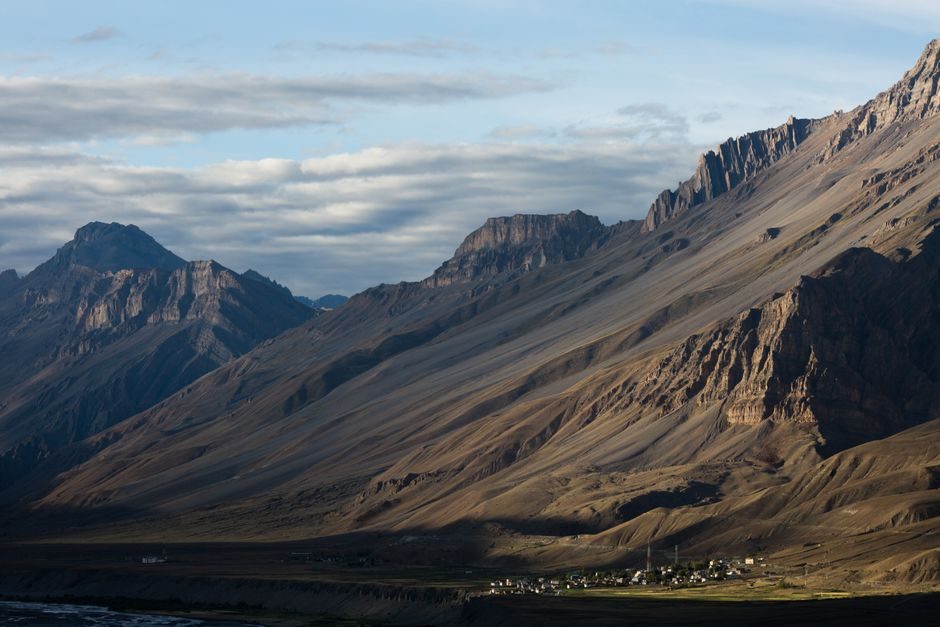
But if you can accept unpredictability, physical discomfort, and the occasional existential moment on a cliff-edge road, Spiti rewards you with landscapes that exist nowhere else in India. The 2026 season looks promising with improved road conditions on the Atal Tunnel approach. Plan carefully, leave buffer time, and trust that the Himalayas will humble you in the best possible way.
0 Comment