


Spiti Valley to Manali: Complete Travel Guide 2026
The 200-kilometre stretch from Spiti Valley to Manali isn’t just a road. It’s a test of nerves, patience, and your vehicle’s suspension. I remember sitting in a shared taxi from Kaza, watching the driver navigate hairpin bends above the Spiti River while casually chatting with the passenger next to him. That’s when I realized this journey demands respect, not just enthusiasm.
Most travel guides focus on the Manali to Spiti route because that’s what search engines favour. But if you’ve already spent days exploring Spiti’s monasteries and high-altitude villages, you need specific information about getting back. The return journey presents different challenges, different views, and honestly, different anxieties.
Understanding the Spiti Valley to Manali Route Options
You have two distinct choices when leaving Spiti for Manali. The first runs through Kunzum Pass and Rohtang Pass, covering roughly 200 kilometres over 8 to 10 hours in good conditions. The second takes you via Shimla, stretching to nearly 450 kilometres but on significantly better roads.
The Kunzum route opens only from June to October, sometimes early November if snowfall delays. Himachal Pradesh Tourism officially announces pass openings each year, so check their updates before finalizing dates. The Shimla route via Nako and Kinnaur remains accessible longer but adds a full day to your journey.
Why Most Travellers Choose the Kunzum Route
Despite its challenges, the Kunzum Pass route offers landscapes you won’t find anywhere else in India. Chandratal Lake sits just 14 kilometres off the main road, making it a natural stopover. The descent from Rohtang into Manali’s green valleys creates a dramatic contrast after days in Spiti’s brown desert terrain.
Best Time to Travel from Spiti to Manali
July and August bring the most stable weather, but also the highest tourist traffic. September offers clearer skies and thinner crowds, though nights turn genuinely cold. I travelled in late September and needed four blankets at the Chandratal campsite.
Avoid attempting this route during monsoon peaks in early July. Landslides regularly block sections near Gramphu and Rohtang, sometimes stranding travellers for hours. The Border Roads Organisation works constantly to clear debris, but nature doesn’t follow anyone’s schedule.
Detailed Route Breakdown: Kaza to Manali
Starting from Kaza, the district headquarters of Spiti, you’ll first drive 80 kilometres to Losar, the last village before Kunzum Pass. This section takes roughly three hours on a mix of paved and unpaved surfaces. Losar has basic dhabas serving hot noodles and chai, worth a stop before the pass.
Kunzum Pass sits at 4,551 metres, marked by a small temple dedicated to the local deity. Drivers typically stop here for five minutes of prayers and photographs. The actual crossing isn’t technically difficult, but altitude affects some travellers with headaches or nausea.
Chandratal Detour: Worth the Extra Hours
The turnoff for Chandratal Lake appears about 6 kilometres after Kunzum. The lake itself lies 14 kilometres down a rough track that takes 45 minutes to an hour depending on road conditions. Camping here overnight breaks the journey and adds an unforgettable experience.
Campsites charge between 1,500 and 3,000 rupees per night including meals. Parasol Camps and Moonlight Camp receive consistently positive reviews from backpackers. Book ahead during peak season as capacity is limited by environmental regulations.
Transport Options and Realistic Costs
Shared taxis from Kaza to Manali cost approximately 1,200 to 1,500 rupees per person in 2026. They depart from the main market area around 5 AM, and filling all seats can take an hour. Private taxis charge between 8,000 and 12,000 rupees depending on vehicle type and your negotiation skills.
HRTC buses run irregularly on this route. The Kaza to Manali bus operates only when roads are fully clear, departing at 6 AM and costing around 350 rupees. Breakdowns happen frequently, so carry snacks and patience. Bikers and self-drivers should budget for fuel carefully since petrol pumps exist only at Kaza, Gramphu, and Manali.
Road Conditions You Should Actually Expect
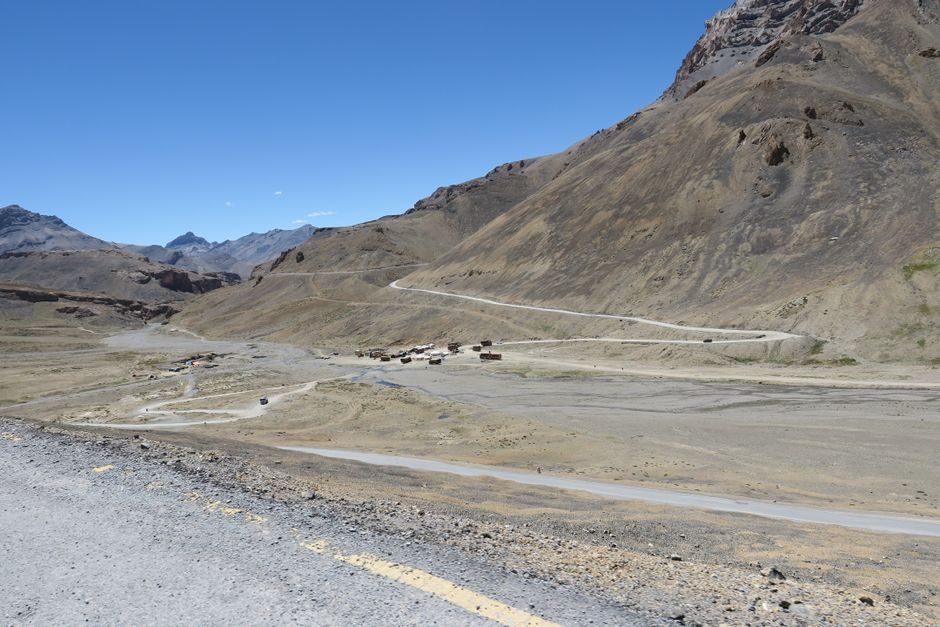
The Kaza to Losar stretch has improved significantly since 2022, with most sections now paved. Post-Kunzum, roads deteriorate badly until Gramphu, with water crossings that can reach knee height in peak melt season. Between Gramphu and Rohtang, the road alternates between excellent and terrible every few kilometres.
Rohtang Tunnel has transformed the final stretch. Instead of navigating the unpredictable Rohtang Pass road, you can now drive through the 9-kilometre Atal Tunnel, emerging just 25 kilometres from Manali. The tunnel stays open year-round and cuts travel time by at least two hours.
Vehicle Recommendations for Self-Drivers
High ground clearance vehicles perform best on this route. Mahindra Thar, Toyota Fortuner, and similar SUVs handle the terrain comfortably. Sedans can manage in dry conditions but struggle at water crossings. If you’re renting, ensure the vehicle comes with a full-size spare tire, basic toolkit, and working jack.
Where to Stay Along the Route
Losar offers a handful of homestays charging 800 to 1,200 rupees for basic rooms with shared bathrooms. Chandratal campsites provide a more memorable experience, though facilities remain rudimentary. Gramphu has exactly one dhaba with sleeping arrangements, useful only in emergencies.
Most travellers push through to Manali in a single day. If you start early from Kaza, reaching Manali by evening is realistic. However, driving this route after dark creates serious safety risks, so plan departures accordingly.
Altitude Sickness and Health Precautions
Kunzum Pass at 4,551 metres affects roughly 20 percent of travellers with some altitude symptoms. Headaches and shortness of breath are common. Diamox helps if taken preventively, but consult a doctor before your trip. More importantly, stay hydrated and avoid alcohol the night before crossing.
The nearest proper hospital after leaving Kaza is in Manali. Carry a basic first-aid kit with painkillers, bandages, and any personal medications. Mobile network coverage drops completely between Losar and Gramphu, so inform someone about your travel plans.
What Makes the Return Journey Different
Travelling from Spiti to Manali means descending from high altitude to lower elevation, which most people find easier physically. The views also differ significantly. You’re looking at Chandratal from a different angle, watching the terrain transform from stark desert to alpine meadows as you approach Rohtang.
Psychologically, there’s something about leaving Spiti that feels final. The valley’s isolation creates a bubble, and popping it can feel jarring. Manali’s traffic, tourists, and commercial activity hit differently after a week in places where your biggest decision was which monastery to visit.
Permit Requirements for 2026
Inner Line Permits are no longer required for Indian citizens visiting Spiti Valley as of recent policy changes. However, the Rohtang Pass still requires an e-permit during peak season, bookable through the Himachal Pradesh government portal. Foreign nationals should check current regulations with their nearest Indian embassy.
The Chandratal area has vehicle entry restrictions to protect the fragile ecosystem. Only registered camp operators can bring vehicles to the lake vicinity. Private cars must park at designated areas, with the final stretch covered on foot.
Honest Limitations of This Route
This journey isn’t for everyone. If you experience severe motion sickness, the winding roads will challenge you badly. If you need reliable schedules, understand that delays happen regularly and there’s nothing anyone can do about them. The infrastructure remains basic by any standard, and that’s actually part of its charm.
Travelling with young children or elderly family members requires extra planning. The long hours, limited restroom options, and altitude changes strain even fit adults. Consider whether the experience justifies the discomfort for your specific group.
The Spiti Valley to Manali route rewards those who approach it with realistic expectations. It’s uncomfortable, unpredictable, and occasionally frustrating. It’s also one of the most visually stunning drives in India, one that stays with you long after you’ve returned to regular roads and reliable phone signals.
0 Comment