

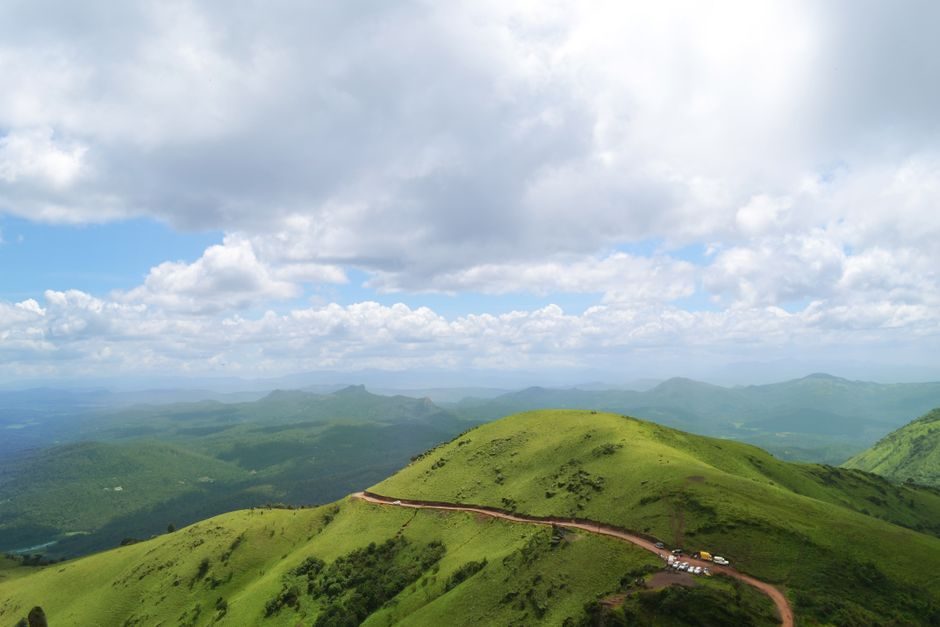

Coffee Estate Homestay in Chikmagalur: What Nobody Tells You
I woke up at 5:30 AM to the sound of coffee beans being pulped somewhere downhill. The mist sat heavy on the plantation, and my host Ramesh had already left a brass tumbler of filter coffee outside my cottage door. This is what a coffee estate homestay in Chikmagalur actually feels like, and it’s nothing like those Instagram reels suggest.
Most travel guides will give you a list of properties and call it a day. But after staying at seven different plantation homestays across Chikmagalur over the past three years, I’ve learned that choosing the right one requires knowing things that aren’t in any brochure. The elevation matters. The host family matters even more. And timing your visit wrong can turn your dream escape into a damp, leech-filled disappointment.
Why Chikmagalur Homestays Beat Regular Hotels
Hotels give you amenities. Plantation homestays give you stories. The difference becomes obvious the moment you step onto a working coffee estate and realize you’re not a guest but a temporary participant in a century-old agricultural tradition.
Most properties here are family-run operations where Arabica and Robusta cultivation has continued for three or four generations. Your host isn’t a hospitality professional reading from a script. They’re usually the estate owner’s son or daughter who genuinely wants to show you why coffee farming is both a blessing and a curse. You’ll learn about the 2018 floods that destroyed 40% of Karnataka’s coffee crop, about the wild elephants that raid estates at night, about why Chikmagalur coffee never gets the global recognition it deserves despite being India’s original coffee-growing region.
The Real Cost of Staying at a Plantation Homestay
Budget varies wildly, and the prices you see online rarely tell the complete story. A basic room in a family home on a smaller estate runs between 2,500 and 4,000 rupees per night, including all meals. Mid-range cottages with private sit-outs and attached bathrooms cost 5,000 to 8,000 rupees. The luxury plantation bungalows with heritage architecture and dedicated staff start at 12,000 rupees and climb to 25,000 for the really exclusive ones.
What most people don’t factor in: transportation costs. These estates sit 8 to 15 kilometres off the main roads, often accessible only by jeep or your own vehicle. If you’re relying on autos from Chikmagalur town, expect to pay 800 to 1,200 rupees each way. Some homestays arrange pickup, but many don’t. Ask before booking.
Hidden Charges to Watch For
Estate tours and coffee processing demonstrations are usually complimentary. But guided treks to nearby peaks, bonfire setups, and barbecue dinners often carry extra charges ranging from 500 to 2,000 rupees per person. Clarify everything upfront. I once got a bill that included a “campfire arrangement fee” that nobody mentioned during check-in.
Best Areas to Book Your Coffee Estate Stay
Chikmagalur district is massive, and location determines your entire experience. The three main pockets for plantation homestays are Aldur, Mudigere, and the Baba Budangiri range. Each has a distinct character.
Aldur sits closest to Chikmagalur town, roughly 20 kilometres away. Estates here are more accessible and slightly more commercialized. You’ll find reliable network connectivity and easier access to restaurants if homestay food isn’t your thing. Mudigere, about 35 kilometres from town, offers denser forests and more wildlife sightings. I spotted a Malabar giant squirrel here and heard sambar deer calling at dusk. The Baba Budangiri side is higher in elevation, cooler throughout the year, and far more isolated. No phone signal for kilometres. Perfect if you genuinely want to disconnect.
When Should You Actually Visit
The tourism board will tell you October to March is ideal. They’re half right. The sweet spot is actually late September through November and then February through mid-March. December and January bring massive weekend crowds from Bangalore, pushing prices up by 30 to 50 percent and ruining the solitude that makes these stays special.
Monsoon season from June through August is genuinely risky. The coffee harvest happens during this period, which sounds romantic until you realize that landslides block roads, leeches are everywhere, and some homestays close entirely for estate work. I visited in July 2023 and spent two days unable to leave the property because the access road had washed out. Beautiful in its own way, but not for everyone.
April and May: The Overlooked Window
Summer gets dismissed because of heat, but estates above 3,500 feet remain pleasant. The coffee blossoming happens in March and April, covering the plantations in white flowers with an intense jasmine-like fragrance. Crowds thin out completely. You might be the only guest on the entire property.
What to Expect From Homestay Food
This is where plantation stays genuinely shine. Meals are typically Malnad cuisine, the regional food of Karnataka’s Western Ghats. Expect kadabu (steamed rice dumplings), akki rotti, bamboo shoot curries, and pork dishes if your hosts are Kodava or Gowda. Everything is cooked fresh, and portion sizes are aggressive.
Vegetarians and vegans should communicate dietary requirements at least a day in advance. Many estates default to non-vegetarian preparations, and the nearest restaurant might be an hour away. I’ve seen guests struggle because they assumed vegetarian options would be readily available. They weren’t.
Plantation Activities Beyond Coffee Tours
Yes, you’ll walk through coffee rows and learn about shade-grown cultivation and the difference between cherry and parchment processing. Every homestay offers this. What separates the good stays from the great ones is everything else.
Some estates border wildlife corridors with genuine chances of spotting elephants, gaur, and occasionally leopards. Others have trails leading to viewpoints, waterfalls, or the ruins of colonial-era buildings. A few properties maintain pepper, cardamom, and areca plantations alongside coffee, giving you a full spice trail experience. Ask your host what’s unique about their specific estate. They’ll have something; they always do.
Birdwatching Potential
The Western Ghats are a biodiversity hotspot, and Chikmagalur estates support over 200 bird species. Malabar trogons, Asian fairy bluebirds, and multiple hornbill varieties are common sightings. Early morning walks with a local guide can yield 30 to 40 species before breakfast. If birding interests you, mention it during booking so your host can arrange someone knowledgeable.
Properties Worth Considering in 2026
I’m deliberately avoiding a “top 10 list” because rankings are meaningless without context. Instead, here’s how to match property type to traveller type.
For couples seeking privacy, look at standalone cottages on larger estates near Mudigere. Halli Berri and The Tamara Coorg’s sister properties in Chikmagalur offer this setup. For families with kids, choose estates with flat terrain and activities like fishing ponds or farm animal interactions. Streams Edge and Homestay Coffee Estate near Aldur work well. For groups wanting bonfire nights and barbecues, the more commercial properties near Chikmagalur town deliver better than remote estates where such arrangements require advance planning.
Booking Mistakes to Avoid
Don’t book through aggregators if you can help it. Call the property directly. Prices are often identical, but direct bookings get you better rooms, flexible meal timings, and hosts who actually remember your name. Many plantation homestays are listed on platforms like Airbnb and MakeMyTrip but prefer WhatsApp inquiries.
Don’t arrive after dark. Estate roads are unlit, poorly marked, and sometimes pass through elephant corridors. Aim to reach by 4 PM. And don’t assume all homestays accept cards. Carry cash. UPI works in most places, but network drops make it unreliable.
The Honest Downsides Nobody Mentions
Insects are part of the deal. Coffee plantations mean mosquitoes, and evenings require repellent. Hot water can be inconsistent at budget properties. Power cuts happen, especially during monsoon. And that “peaceful isolation” cuts both ways. If you need urban comforts, constant connectivity, or nightlife options, a plantation homestay will frustrate you.
Some travelers romanticize these stays without understanding that they’re rural agricultural properties first and tourist accommodations second. Manage expectations accordingly, and you’ll have an experience that luxury resorts simply cannot replicate.
0 Comment