

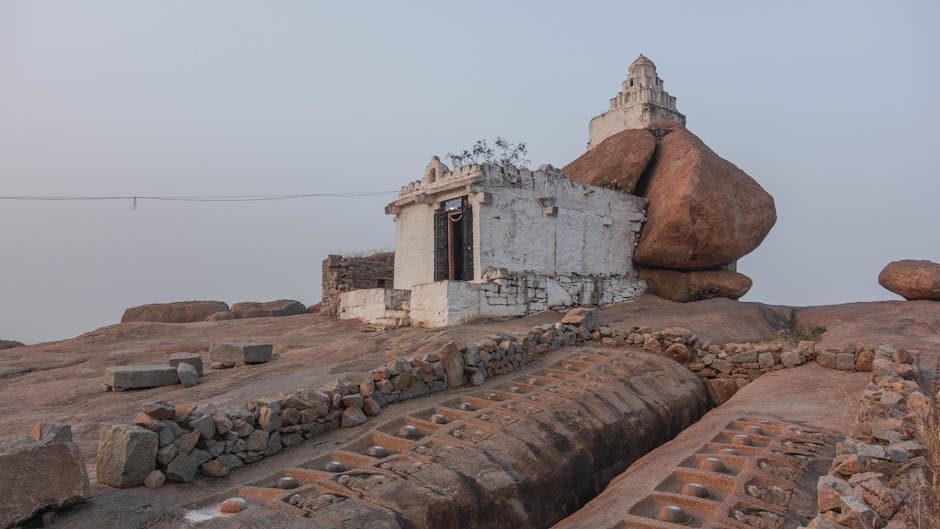

Temple in Bangalore: 12 Sacred Sites for 2026
I spent three years living in Koramangala, and honestly, I never expected Bangalore to become my spiritual playground. Most people associate this city with tech parks, craft breweries, and traffic that tests your patience. But tucked between glass towers and startup offices, you’ll find some of South India’s most remarkable temples. Every temple in Bangalore tells a story that stretches back centuries, often predating the IT boom by a thousand years.
This guide covers temples I’ve actually visited, some multiple times. I’m skipping the generic list format you’ve seen elsewhere. Instead, I’ll share what genuinely matters: which temples deserve your morning, which ones you can combine, and where the crowds become unbearable.
Bull Temple: Where Bangalore’s History Begins
The Dodda Basavana Gudi, or Bull Temple, sits in Basavanagudi and houses a monolithic Nandi statue carved from a single granite boulder. At 4.6 metres tall and 6.1 metres long, it remains one of the largest Nandi statues in India. The temple dates to the 16th century under the Kempe Gowda dynasty.
I recommend visiting between 6:30 AM and 8 AM before the tour buses arrive. The priests apply butter and oil to the Nandi, and locals believe the statue has grown over centuries. Whether you believe that or not, watching the morning rituals feels genuinely intimate. The temple stays open from 6 AM to 8 PM, with a break between 12:30 PM and 5:30 PM.
Getting There and Practical Details
Take the metro to Rashtriya Vidyalaya Road station, then walk 800 metres or catch an auto for Rs 30-40. The surrounding Basavanagudi market sells fantastic filter coffee and dosas at Vidyarthi Bhavan, barely 400 metres away. Combine both for a proper Bangalore morning.
ISKCON Temple: Spirituality Meets Modern Architecture
The ISKCON Temple on Chord Road polarizes people. Some find it too commercial, too polished, too much like a spiritual theme park. I get that criticism. But dismissing it entirely means missing one of Bangalore’s most architecturally ambitious religious structures.
Built in 1997, the temple blends traditional Dravidian architecture with contemporary elements. The main deity hall can accommodate thousands of devotees, and the kitchen serves over 10,000 free meals daily through the Akshaya Patra program. Whether ISKCON resonates with your spiritual sensibilities or not, their charitable infrastructure deserves respect.
Visit on weekdays if possible. Weekends, especially Sundays, see crowds exceeding 50,000 visitors. The temple opens at 4:15 AM and closes at 8:30 PM, with multiple darshan timings. Entry remains free, though the paid darshan at Rs 300 skips considerable queue time.
Gavi Gangadhareshwara Temple: The Engineering Marvel
This is the temple that genuinely surprised me. Hidden behind Gavipuram in South Bangalore, Gavi Gangadhareshwara dates to the 9th century and demonstrates astronomical precision that predates modern engineering tools.
Twice a year, on Makar Sankranti (January 14-15), sunlight passes through a window, travels between the horns of a Nandi statue placed outside, and illuminates the Shiva Lingam inside. The alignment requires calculations that scientists still study. The temple complex includes natural caves carved into granite, giving the entire site an Indiana Jones quality.
Why Most Visitors Miss This Temple
It lacks the polish of ISKCON or the fame of Bull Temple. The approach road through Gavipuram gets congested, and signage remains minimal. But that obscurity works in your favour. I’ve visited four times and never waited more than five minutes. The temple opens from 6 AM to 12 PM and 5 PM to 8:30 PM. Auto drivers know it by the cave temple reference.
Bangalore’s Ancient Chola Connection
Few visitors realize that several temples in Bangalore predate the Vijayanagara Empire and connect to Chola rule. The Someshwara Temple in Ulsoor, built around the 12th century, represents this heritage beautifully.
The temple features classic Chola architecture with its vimana tower and detailed stone carvings. Unlike the crowded temples elsewhere, Someshwara remains a neighbourhood place of worship. The Ulsoor Lake nearby makes this a pleasant morning excursion combining nature and spirituality. The temple sits about 2 kilometres from MG Road metro station.
How Many Days Do You Need for Temple Tours?
Realistically, two full days cover the major temples comfortably. Day one could include Bull Temple, Gavi Gangadhareshwara, and Dodda Ganesha Temple, all located in South Bangalore within 5 kilometres of each other. Day two works better for ISKCON, Ragigudda Anjaneya Temple, and Shivoham Shiva Temple in the opposite direction.
Rushing through five temples daily defeats the purpose. These spaces reward slowness. Sit through one aarti completely. Watch how elderly devotees interact with the priests. Notice the architectural details that tourist photographs miss.
Ragigudda Temple: The Hill Shrine of Jayanagar
Perched on a small hillock in Jayanagar 9th Block, Ragigudda Sri Prasanna Anjaneya Swamy Temple offers something rare in flat Bangalore: elevation. The climb involves 100-odd steps, nothing strenuous, but enough to separate casual visitors from devoted pilgrims.
The temple complex includes shrines to multiple deities, a meditation hall, and excellent views of South Bangalore’s residential sprawl. Saturdays get extremely crowded due to Hanuman worship traditions, so Tuesday or Thursday visits work better. The temple maintains strict dress codes, and shorts or sleeveless tops will get you turned away at the entrance.
What Should You Wear to Bangalore Temples?
Most temples enforce traditional dress codes. Men should wear full-length trousers or dhotis, and women should opt for sarees, salwar kameez, or long skirts. ISKCON provides free dhoti rentals if needed. Some temples like Gavi Gangadhareshwara remain more relaxed, but conservative clothing avoids awkward situations. Footwear comes off at every temple entrance, so wear something easy to remove.
Dodda Ganesha Temple: The Giant Deity
Located barely 200 metres from Bull Temple, Dodda Ganesha houses a monolithic Ganesha idol standing at 5.4 metres tall and 4.8 metres wide. The Kempe Gowda rulers commissioned both temples simultaneously, and visiting one without the other feels incomplete.
The Ganesha idol here gets covered in different coloured mantles throughout the year. I’ve seen it draped in butter, flowers, and during one memorable visit, completely covered in currency notes. The temple opens at 5:30 AM and closes at 12:30 PM, reopening from 5 PM to 9 PM.
Best Time to Visit Bangalore Temples
Bangalore’s weather stays pleasant year-round, rarely exceeding 35°C even in summer. However, temple visits work best between October and February when humidity drops and morning walks remain comfortable. Avoid the month of Shravan (usually August) unless you enjoy crowds, as temples see massive footfall during this auspicious period.
Weekday mornings between 7 AM and 9 AM offer the calmest experience. Most working professionals visit only on weekends, leaving temples surprisingly peaceful during weekday darshans. If your schedule allows flexibility, Tuesday and Thursday mornings consistently provide the shortest queues.
Shivoham Shiva Temple: The Controversial Newcomer
Built in 1995, Shivoham Shiva Temple near Kemp Fort features a 65-foot Shiva statue visible from the airport road. Critics call it gaudy, an oversized statement lacking the subtlety of ancient temples. They have a point.
But dismissing Shivoham misses what it represents: contemporary spiritual expression in a city that constantly reinvents itself. The complex includes a meditation cave beneath the statue and offers surprisingly peaceful moments despite its commercial location. Entry costs Rs 20, and photography remains permitted in the outer areas.
Planning Your Temple Itinerary
Start early, ideally before 7 AM. Bangalore traffic becomes unpredictable after 9 AM, and temple visits require mental calm that gridlock destroys. Hire a full-day taxi through apps like Ola or Uber Intercity at approximately Rs 2,500-3,000 for 8 hours covering 80 kilometres.
Pack prasad containers if you want to bring offerings home. Most temples provide prasad, but quantities vary. Carry Rs 100 notes for offerings and small donations. UPI payments have reached some temples, but cash remains more reliable.
What Makes Bangalore Temples Unique?
Unlike Varanasi or Madurai where temples dominate urban planning, Bangalore’s temples exist as islands of tradition within a modern city. That contrast creates something special. You leave an air-conditioned metro station, walk past a WeWork office, and suddenly stand before a 1,000-year-old shrine where priests perform rituals unchanged for centuries.
This coexistence, the ancient and ultramodern sharing space without conflict, defines Bangalore more than its IT industry ever could. The temples here don’t ask you to reject modernity. They simply remind you that some things predate your Excel spreadsheets and always will.
0 Comment