


Parvati Valley Kasol: The Unfiltered Truth
I first walked into Kasol on a foggy October morning in 2019, expecting the Instagram paradise everyone talks about. What I found instead was a complicated little village that can be both magical and deeply frustrating, sometimes within the same hour. Parvati Valley Kasol has become shorthand for backpacker culture in India, but most travel guides skip the parts you actually need to know before booking that bus ticket from Delhi.
This isn’t another listicle telling you to visit Kheerganga and eat Israeli food. You’ll get practical information here, the kind that comes from multiple visits across different seasons and honest conversations with locals who’ve watched their valley transform over the past decade.
Why Parvati Valley Keeps Drawing People Back
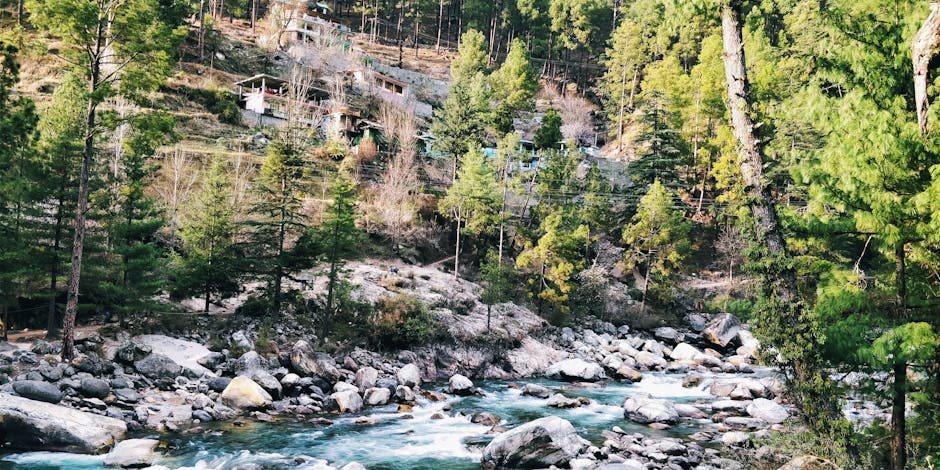
The Parvati River runs milky blue-green through a corridor of pine and deodar forests, with snow-capped peaks visible on clear days. That’s the postcard version, and it’s genuinely accurate. But the real pull of this Himachal Pradesh valley is something harder to photograph.
There’s a specific atmosphere in villages like Kasol, Chalal, and Tosh that feels disconnected from mainstream Indian tourism. Time moves differently. Nobody rushes. The mix of Israeli backpackers, European hippies, domestic travellers, and local Himachali culture creates something you won’t find in Manali or Shimla. Whether that appeals to you depends entirely on what kind of trip you’re after.
The Geography Most People Get Wrong
Kasol sits at roughly 1,640 meters elevation, which means it’s not actually that high by Himalayan standards. Kheerganga reaches about 2,960 meters, and Tosh sits around 2,400 meters. This matters because people often pack like they’re heading to Ladakh when a light jacket handles most of Kasol’s weather from March through June.
The valley stretches approximately 50 kilometres from Bhuntar, where the nearest airport sits, to Manikaran and beyond. Kasol is just one village along this corridor, positioned about 30 kilometres from Bhuntar. Most first-time visitors treat Kasol as the destination when it really works better as a base camp.
Getting to Kasol Without Losing Your Mind
From Delhi, you’re looking at a 12 to 14 hour bus journey, depending on traffic and how many chai stops your driver takes. HRTC Volvo buses run overnight from Kashmere Gate ISBT, costing between 1,200 and 1,800 rupees depending on the season. Private operators charge slightly more but often have better suspension, which matters on those mountain roads.
The Bhuntar airport receives limited flights from Delhi, typically one or two daily on carriers like Alliance Air. Flight prices hover around 5,000 to 8,000 rupees one way. From Bhuntar, local buses and shared taxis cover the remaining distance to Kasol in about an hour. A private taxi from Bhuntar runs approximately 800 to 1,000 rupees.
The Road Condition Reality
I need to be honest about something the tourism websites skip. The road from Bhuntar to Kasol can be genuinely dangerous during monsoon months, roughly July through mid-September. Landslides are common, delays of several hours happen regularly, and I’ve personally sat in a bus while rocks tumbled down the hillside ahead of us. Travel during monsoon only if you’re comfortable with significant risk and flexible timelines.
Where to Actually Stay in Parvati Valley
Kasol itself has become quite developed, with guesthouses and hostels lining both sides of the main road. Budget rooms start around 500 rupees per night in the off-season, climbing to 1,500 or more during peak periods like May, June, and New Year week. Places like Parvati Woods and Kasol Cafe have decent mid-range options in the 2,000 to 3,500 rupee range.
Here’s my actual recommendation though. Skip staying in Kasol proper unless you want to hear trance music until 2 AM. The village of Chalal, a 30-minute walk across the river, offers similar amenities with significantly more peace. Tosh, about 20 kilometres further up the valley, has better mountain views and a quieter crowd, though you’ll need to arrange transport or be comfortable with steep walks.
The Homestay Option Nobody Mentions
Local Himachali families in villages like Pulga, Kalga, and Tulga offer homestays that cost half what you’d pay in Kasol, usually 400 to 800 rupees including basic meals. The catch is minimal English, basic amenities, and limited connectivity. For some travellers, that’s exactly the point.
Best Time to Visit Parvati Valley Kasol
The straightforward answer is March through June and September through November. But let me break this down more specifically because each window offers something different.
March and April bring wildflowers and waterfalls at their peak, though nights remain cold enough for thermals. May and June draw the heaviest crowds, school holidays and summer heat pushing people from the plains into any hill station they can reach. Expect inflated prices and booked-out accommodations during these months.
September through November is my preferred window. The monsoon clears, skies turn crisp, and crowds thin considerably. October specifically offers the best photography conditions, clear air revealing mountain peaks that stay hidden behind haze during summer.
Treks That Are Actually Worth Your Time
Everyone does Kheerganga, and I understand why. The 12-kilometre trek from Barshaini takes 4 to 6 hours depending on your fitness, passing through beautiful forest and ending at natural hot springs with valley views. The hot springs alone make it worthwhile, especially if you start early and reach before the afternoon crowd arrives.
What most guides skip is that Kheerganga has become genuinely overcrowded during peak season. The camping area resembles a small tent city, loud music plays through the night, and the environmental impact is visible. If you’re visiting between May and June, consider the Grahan village trek instead. It’s shorter at about 8 kilometres, less crowded, and the village itself maintains stricter rules about noise and waste.
The Sar Pass Alternative
For experienced trekkers, the Sar Pass trek offers five days of genuine wilderness, crossing a 4,200-meter pass with snow even in summer. YHAI runs organized treks costing approximately 7,500 rupees including food and equipment. This isn’t a casual weekend activity, but it rewards the effort with landscapes that most Parvati Valley visitors never see.
Food and Cafe Culture in Kasol
The Israeli influence on Kasol’s food scene dates back decades, and you’ll find shakshuka, falafel, and hummus on nearly every menu. Evergreen Cafe and Moon Dance Cafe have been serving travellers since before Instagram existed, both offering reliable food and valley views. Expect to pay 200 to 400 rupees for a meal at these established spots.
German Bakery locations, several exist now despite the singular name, serve decent pastries and coffee. For Indian food, the smaller dhabas along the main road offer thalis for 80 to 120 rupees that often taste better than the tourist-oriented restaurants.
What Nobody Tells You About Parvati Valley
The valley has a reputation connected to certain substances, and pretending otherwise would be dishonest. This reputation attracts some visitors and concerns others. Local police have increased their presence over recent years, and several cafes have faced crackdowns. I’m not here to judge anyone’s choices, but I will say that the legal risks are real and the consequences for travellers can be severe.
ATMs in Kasol are unreliable. They run out of cash regularly during peak season and sometimes stay empty for days. Carry enough physical currency from Bhuntar or Kullu to cover your entire stay, plus a buffer for emergencies.
Network connectivity varies wildly. BSNL works better than private carriers in most areas, but don’t expect reliable internet anywhere beyond the main Kasol village. If you’re planning to work remotely, this isn’t the valley for that.
Planning Your Parvati Valley Kasol Itinerary
Three days works for a basic visit covering Kasol, Manikaran’s hot springs and gurdwara, and either Kheerganga or a shorter trek to Chalal and back. Five days allows you to explore Tosh, Malana’s controversial reputation, and take your time with the trekking options. A week or more is where the valley really opens up, letting you settle into its rhythm rather than rushing between checkpoints.
Whatever duration you choose, build in flexibility. Buses get delayed, weather changes plans, and sometimes you’ll meet people who convince you to stay an extra day somewhere unexpected. That unpredictability is part of what makes Parvati Valley worth the journey, as long as you come prepared to roll with it.
0 Comment