


Ajmer Places to Visit: A Local’s 2026 Budget Guide
I first visited Ajmer on a whim during a Jaipur trip, expecting a quick dargah visit and nothing more. Three days later, I was still there, completely absorbed by a city that most travellers treat as a transit point. Ajmer places to visit extend far beyond the famous shrine, and honestly, that’s what makes this Rajasthani city so rewarding for those willing to look closer.
Most travel guides give you a laundry list of monuments. I’m going to tell you what actually works when you’re on a real budget, moving on Indian trains, and trying to squeeze meaning out of limited time. This isn’t about ticking boxes. It’s about understanding why Ajmer deserves more than a few rushed hours.
Why Ajmer Gets Overlooked and Why That’s Your Advantage
Pushkar sits just 14 kilometres away, pulling the backpacker crowd with its ghats and cafes. Jaipur dominates Rajasthan tourism with its palaces. Ajmer ends up as the place people pass through, which keeps accommodation cheap, streets relatively calm, and local experiences authentic.
The city holds over 800 years of continuous Sufi tradition, Mughal architecture, and a lake that transforms dramatically between seasons. Tourist infrastructure exists but hasn’t been polished into generic sameness yet. You’ll find Hindi spoken everywhere, English less reliably, and that’s part of the charm.
Ajmer Sharif Dargah: Beyond the Surface Visit
The shrine of Khwaja Moinuddin Chishti receives over 150,000 visitors daily during Urs festival, but on regular weekdays, mornings between 6 and 8 AM offer genuine tranquility. I’ve visited four times now, and early morning remains the only window for actual reflection rather than crowd management.
Entry is free, but you’ll need to deposit shoes at designated counters for ₹10-20. Women can borrow head coverings at the entrance if needed. The inner sanctum stays open 24 hours during certain periods, but the Nizam Gate closes by 9 PM typically.
What Nobody Tells You About Visiting
How long should you spend at Ajmer Dargah? Realistically, 90 minutes to 2 hours allows you to experience the courtyard, main shrine, Buland Darwaza, and the langar hall without feeling rushed. Fridays and Thursdays see significantly higher footfall. The marble courtyard gets uncomfortably hot between 11 AM and 4 PM from March through June.
Local guides approach aggressively near the entrance. You don’t need one. The shrine layout is intuitive, and signage exists in multiple languages. If you want context, the official Dargah committee provides free pamphlets inside.
Ana Sagar Lake: Timing Makes Everything
Emperor Anaji Chauhan created this artificial lake in the 12th century, and Jahangir later added the marble pavilions along its banks. Most visitors see it during afternoon heat when water levels look disappointing and the Daulat Bagh gardens feel lifeless.
Visit instead during the hour before sunset. The Baradari pavilions catch golden light beautifully, local families gather for evening walks, and the island garden accessible by boat actually feels worth the ₹50 ride. Post-monsoon months from September through November show the lake at its fullest.
Is Ana Sagar Lake worth visiting in summer? Honestly, barely. Water recedes dramatically, exposing muddy banks that smell stagnant. The gardens provide shade but little else. Winter mornings work better than summer afternoons by a huge margin.
Adhai Din Ka Jhonpra: The Monument Nobody Pronounces Correctly
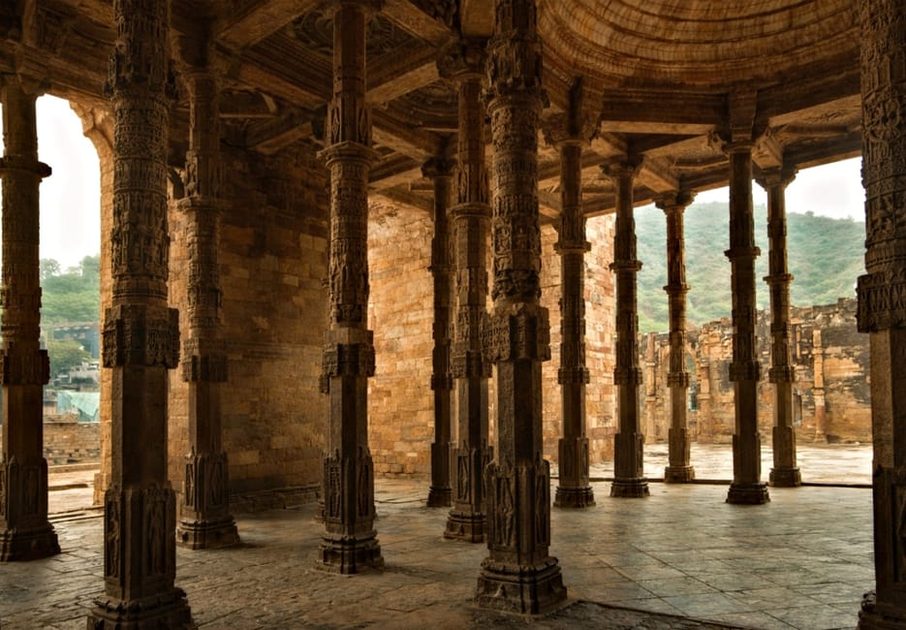
This mosque sits 400 metres from the dargah, yet most visitors skip it entirely. The name translates to “shed of two and a half days,” supposedly the construction time, though historians debate this. What’s certain is that the Indo-Islamic architecture here predates the Qutub Minar and shows similar transitional styling.
The seven-arched screen wall survives remarkably intact. Sanskrit inscriptions remain visible on reused temple pillars, creating an unusual palimpsest of religious history. Photography works best in late afternoon when shadows define the carved calligraphy.
Entry costs nothing. Guards technically close the site by 6 PM but rarely enforce this strictly. Budget 45 minutes here, more if you care about architectural details.
Taragarh Fort: The Hike Most Tourists Avoid
Every Ajmer guide mentions Taragarh. Almost none mention that reaching it requires either a steep 3-kilometre climb or a winding auto-rickshaw ride costing ₹150-200 one way. The fort itself sits in various states of ruin, with ongoing restoration that never quite finishes.
Should you bother? Yes, but only if you arrive by 7 AM. The panoramic view of Ajmer sprawling toward Ana Sagar Lake justifies the effort entirely. The Miran Sahib Dargah within the fort compound adds spiritual dimension. Pack water because vendors at the top charge triple rates.
During my last visit, I met a family from Indore who’d hired a guide for ₹500. He provided exactly the same information available on the ASI signboard near the entrance. Save that money for breakfast instead.
Practical Budget Breakdown for 2026
Where to Stay Under ₹1500
Hotel KK Continental near the railway station offers clean rooms from ₹800, with the advantage of walkable distance to most attractions. Zostel Ajmer opened recently, providing dorm beds from ₹450 for solo travellers wanting social atmosphere. Avoid anything advertising “dargah view” at budget rates because the views don’t exist and the noise does.
The area around Naya Bazaar has several dharamshalas offering rooms from ₹200-400, though facilities remain basic and booking happens on arrival only. These work fine for one night if you’re catching an early train.
Food That Won’t Disappoint
Ajmer’s culinary identity centres on Mughlai and Rajasthani flavours meeting unexpectedly. The street outside the dargah sells exceptional sohan halwa, a wheat-based sweet costing around ₹400 per kilogram. Honey Dew Restaurant near Station Road serves reliable North Indian thalis for ₹150-200.
What local food should you try in Ajmer? Kadhi kachori at Agarwal Restaurant makes an excellent breakfast. The mutton biryani near Foy Sagar has local fame, though hygiene-conscious travellers might prefer established restaurants. Evening chai at the Ana Sagar lakefront stalls costs ₹15 and tastes better than it has any right to.
A 2-Day Itinerary That Actually Works
Day One
Arrive by the Ajmer Shatabdi from Delhi (5.5 hours, ₹700-900) or the overnight train from Mumbai. Check into accommodation near the station. Head to Ajmer Dargah by 4 PM when afternoon crowds thin slightly. Spend two hours there. Walk to Adhai Din Ka Jhonpra before sunset. Dinner at Honey Dew, early sleep.
Day Two
Wake by 5:30 AM. Auto to Taragarh Fort base, climb to the top for sunrise views. Descend by 9 AM. Quick breakfast, then Ana Sagar Lake and Daulat Bagh gardens. Afternoon visit to Nasiyan Jain Temple, genuinely impressive with its gilded diorama rooms depicting Jain cosmology. Entry costs ₹15. Board the evening Pushkar bus (₹15, 30 minutes) or continue to your next destination.
Best Time to Visit and Honest Caveats
October through March offers comfortable temperatures and manageable crowds. The Urs festival in the seventh Islamic month brings extraordinary energy but also extraordinary congestion. Hotel prices triple, streets become impassable, and the spiritual experience gets overwhelmed by sheer humanity. Avoid unless you specifically want the Urs atmosphere.
April through June tests patience. Temperatures exceed 40°C regularly. The lake shrinks. Walking between sites becomes genuinely exhausting. Monsoon brings relief but also unpredictable flooding in lower areas and reduced visibility at Taragarh. I once waited three hours for a dargah darshan line to move during peak monsoon. It wasn’t worth it.
Getting There and Moving Around
Jaipur airport sits 135 kilometres away, roughly 2.5 hours by taxi (₹2500-3000). The railway station connects directly to Delhi, Mumbai, Ahmedabad, and most major cities. From Jaipur, frequent buses take 2.5 hours for ₹150-200.
Within Ajmer, auto-rickshaws run by meter if you insist, otherwise expect ₹30-50 for short hops. The main attractions cluster within walkable distance except Taragarh. Shared autos to Pushkar leave from a stand near the bus station throughout the day.
Final Thoughts Without the Usual Clichés
Ajmer rewards patience and punishes hurry. The city doesn’t perform for tourists, which means you’ll see actual life happening rather than choreographed experiences. Budget travellers particularly benefit because infrastructure serves pilgrims and locals rather than luxury seekers. Prices stay reasonable, food stays real, and the spiritual weight of the place remains intact despite centuries of visitors.
Give it two full days minimum. You’ll leave understanding why this particular spot has drawn seekers for 800 years, and why it continues pulling them back.
0 Comment