


Boating in Gokarna: The Only Guide You Actually Need
I spent three days last November arguing with boat operators at Om Beach, and I regret nothing. Boating in Gokarna transformed what could have been a standard beach-hopping trip into something genuinely memorable. The coastline here hides five beaches between rocky headlands, and unless you fancy scrambling over boulders in the Karnataka heat, a boat is your best friend.
But here is the thing most travel blogs skip: not all boat trips in Gokarna are equal. The route you pick, the time you leave, and whether you haggle at the jetty or book through your guesthouse changes everything. I learned this the expensive way so you don’t have to.
Why Gokarna Beats Goa for Boat Trips
Goa has banana boats and parasailing crowds. Gokarna has wooden fishing boats puttering past dolphins if you are lucky. The vibe is calmer, the water clearer, and the beaches you access by boat remain relatively untouched.
The stretch from Kudle Beach to Paradise Beach covers roughly 6 kilometres of coastline. Walking this takes 3-4 hours over challenging terrain. A boat does it in 45 minutes, dropping you at coves where the only footprints are your own. The Karnataka Tourism Department has been promoting this route since 2019, and yet Gokarna still sees a fraction of Goa’s visitor numbers.
The Five Beach Route Everyone Books
Standard boat tours cover Gokarna Beach, Kudle Beach, Om Beach, Half Moon Beach, and Paradise Beach. Most operators quote this as the “full circuit” and charge between 2000 and 3500 rupees for a boat carrying up to six people. That works out to 350-600 rupees per person if you join a group.
The circuit typically starts from Om Beach jetty or Gokarna main beach. You will spend 15-20 minutes at each stop, though operators are flexible if you want longer at Paradise Beach. The entire trip runs 2.5 to 3 hours depending on sea conditions.
What Most Tourists Get Wrong
Booking at the jetty at 10 AM means you hit every beach when other boats are already anchored there. The trick locals know: start at 7 AM. The light is better for photos, the beaches are empty, and you return before the afternoon heat makes the boat deck unbearable.
Current Boat Prices in Gokarna for 2026
Prices have crept up since the pandemic. Here is what you should expect to pay:
A private boat for the five-beach circuit runs 2500-4000 rupees depending on the season and your negotiation skills. October to February is peak season, and operators know it. Shared boats cost 400-600 rupees per person, but you will wait at the jetty until enough people gather.
Short trips to just Half Moon and Paradise beaches cost 1200-1500 rupees for a private boat. This is the sweet spot for budget travellers who want the best two beaches without the full tour price.
Should You Book Through Your Hotel?
Guesthouses and resorts add a 20-30% markup but handle all the coordination. If you are staying at places like Namaste Cafe or SwaSwara, their concierge services arrange everything including pickup times and packed breakfast. For solo travellers uncomfortable with jetty negotiations, this markup buys peace of mind.
Om Beach to Paradise Beach: The Route Worth Taking
Skip the full circuit if you have limited time. The Om Beach to Paradise Beach route is the most scenic stretch, taking you past dramatic cliff faces and through waters where dolphins surface between December and February.
This 3-kilometre stretch passes Half Moon Beach midway. Most boats will anchor for 30-40 minutes at Paradise Beach, giving you time to swim or grab a coconut from the shack that operates during tourist season. The return journey offers different perspectives of the same coastline as afternoon light hits the rocks.
Best Time of Year for Boating in Gokarna
The monsoon shuts everything down. From June through September, boats stay beached and most operators leave town for fishing work elsewhere. Seas are rough, beaches erode, and the few tourists who show up watch the rain from cafe verandahs.
October marks the restart. Seas calm, beaches rebuild, and the first boats venture out cautiously. November through February is prime season with calm waters, clear visibility, and comfortable temperatures. March through May brings heat and slight chop in the afternoons, but morning trips remain pleasant.
What About Weekends and Holidays?
Bangalore is four hours away by road. Every long weekend floods Gokarna with city escapees, and boat prices jump accordingly. If you can swing a Tuesday or Wednesday trip, you will find better rates and emptier beaches.
Safety and What to Carry
Life jackets are mandatory, and most operators now comply after Karnataka’s tourism department crackdowns in 2023. Still, check that jackets are actually available before boarding. I have seen boats leave with jackets stuffed under seats, handed out only when another boat passes.
Carry waterproof bags for phones and wallets. The boats are stable but not dry. Spray comes over the sides, and boarding at rocky beaches means wading through knee-deep water. Reef-safe sunscreen matters here since these are relatively pristine waters worth protecting.
Cash is essential. Card machines do not exist at jetties, and UPI signals are spotty along the coastline. Carry small denominations for tips and any food purchases at beach shacks.
Fishing Boat vs Tourist Boat: Which to Pick
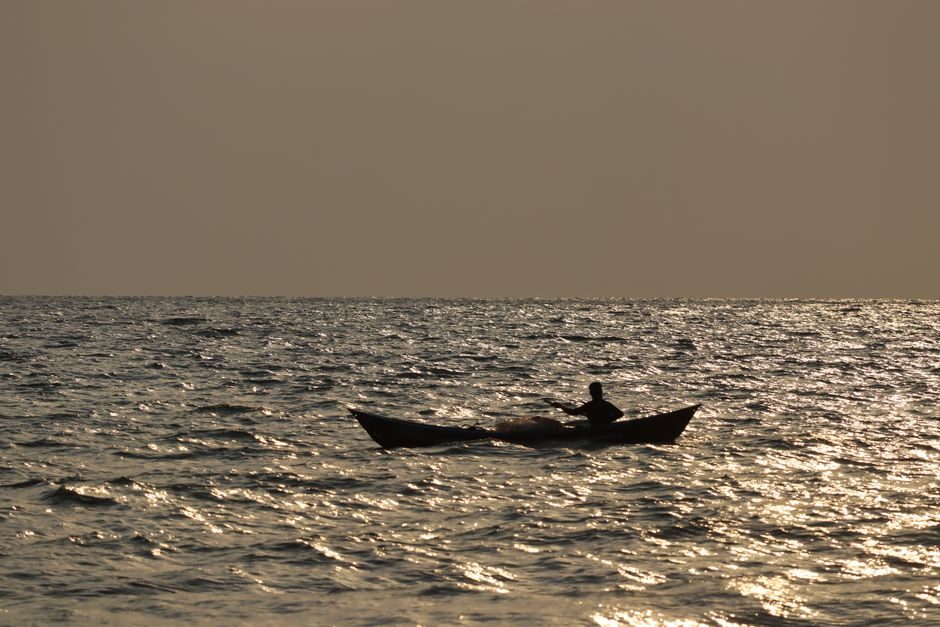
Traditional fishing boats offer a rawer experience. These wooden vessels sit lower in the water, move slower, and feel more authentic. You might share space with fishing nets and smell yesterday’s catch. But they cost less and the fishermen who pilot them know these waters intimately.
Tourist boats are fibreglass, faster, and have cushioned seating. They cost 20-30% more but offer a smoother ride. For families with children or anyone prone to seasickness, these are the better choice.
Neither option includes food. Pack snacks and water regardless of which you book.
Beyond the Standard Route: Secret Stops
Ask your boat operator about the caves south of Paradise Beach. Not every guide mentions them, but there are small sea caves accessible during low tide that make for excellent photographs. The extra 30 minutes and 300-500 rupees is worth it.
Kudle Beach viewpoint, visible only from the water, shows why this coastline deserves its reputation. The red laterite cliffs against blue water make Gokarna look like somewhere far more exotic than a small Karnataka town.
Booking Options That Actually Work
Walk-up bookings at Om Beach jetty remain the most common approach. Arrive early, compare a few operators, agree on price and route before boarding. The Gokarna Boat Owners Association sets rough price guidelines, though individual operators flex within ranges.
Online aggregators like Thrillophilia and Klook list Gokarna boat trips, typically at premium prices but with easier cancellation policies. These work well for advance planning during peak season when walk-up availability gets tight.
Your accommodation’s contacts usually offer the best balance: local knowledge, reasonable prices, and someone accountable if things go wrong. The staff at Zostel Gokarna and Trippr Gokarna both have reliable operator networks.
Realistic Expectations for Your Trip
Gokarna is not the Maldives. The boats are basic, the beaches have litter despite cleanup efforts, and infrastructure remains charmingly rough around the edges. Dolphins appear maybe one in five trips during season, not on demand.
What you get instead is authenticity. Real fishing communities, beaches without water sports touts, and a coastline that feels discovered rather than developed. The boat trip is one part of Gokarna’s appeal, best combined with temple visits, beach walks, and evenings at clifftop cafes.
For travellers tired of manufactured experiences, this imperfection is precisely the point.
0 Comment