


Srinagar to Sonamarg Distance: Complete 2026 Route Guide
The Srinagar to Sonamarg distance is exactly 81 kilometres via National Highway 1, and you’ll cover it in roughly 2.5 to 3 hours depending on traffic and your driver’s enthusiasm for overtaking army convoys. I’ve done this drive six times across different seasons, and it never gets old. The stretch between Kangan and Sonamarg alone justifies the entire trip to Kashmir.
But here’s what most travel guides won’t tell you: the distance itself matters far less than when you leave Srinagar. Depart after 10 AM on a summer weekend, and that 81 km will feel like 181 km. Leave at 6 AM, and you’ll be sipping kahwa in Sonamarg before the tourist buses even start their engines.
Understanding the Actual Route from Srinagar to Sonamarg
Your journey follows NH1, the historic highway that once connected Srinagar to Leh before the Zojila tunnel changed everything. You’ll pass through Ganderbal district, crossing the Sind River multiple times as the road climbs from 1,585 metres at Srinagar to 2,740 metres at Sonamarg. The elevation gain is gradual enough that altitude sickness isn’t a concern for most travellers.
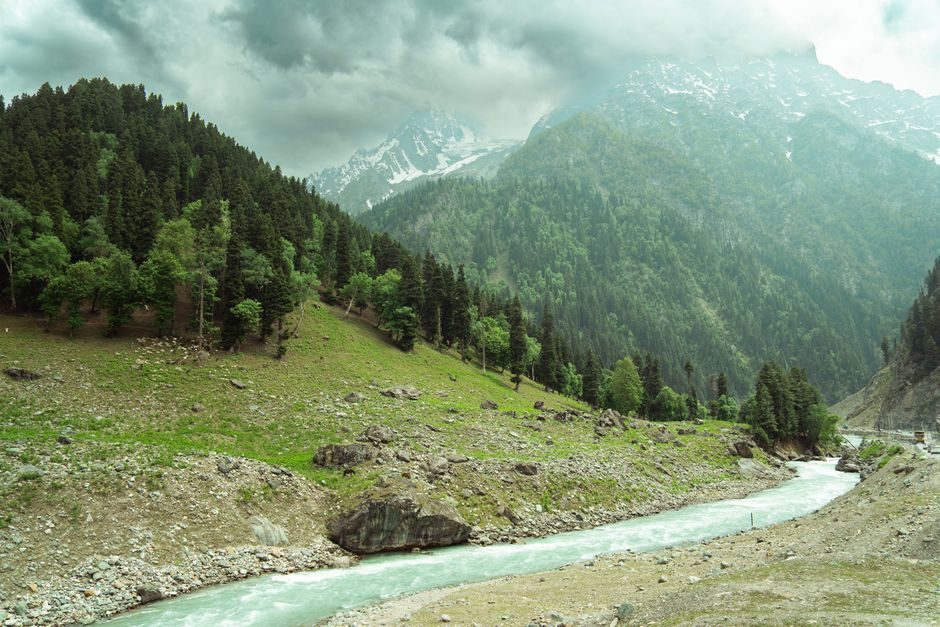
The route breaks down into three distinct sections. The first 25 km to Kangan is relatively flat and fast, often congested with local traffic. The next 30 km from Kangan to Gund offers increasingly dramatic scenery as you enter the Sind Valley proper. The final 26 km from Gund to Sonamarg is where the magic happens, with towering pines, rushing glacial streams, and occasional glimpses of snow-capped peaks even in late spring.
Travel Time Variations You Need to Know
That 2.5 to 3 hour estimate comes with significant caveats. During peak season from June through August, weekend traffic can extend your journey to 4 hours or more. Army convoys, particularly common on Tuesdays and Saturdays, can add 30 to 45 minutes of waiting time at various checkpoints along the route.
Monsoon months from July to September bring occasional landslides between Gagangir and Sonamarg. The road department clears these quickly, but I’ve personally waited two hours for debris clearance near Baltal. Winter closures typically run from mid-December through March, though the exact dates depend on snowfall. The J&K Tourism Development Corporation updates road status daily during transitional months.
Best Departure Times from Srinagar
Early morning departures between 5:30 AM and 7 AM offer the smoothest journey. You’ll avoid tourist traffic, catch the valley bathed in golden morning light, and arrive in Sonamarg with the entire day ahead. If you’re staying at a Dal Lake houseboat, factor in 30 additional minutes to reach the highway from Nehru Park area.
Afternoon departures work only if you’re planning an overnight stay in Sonamarg. The return journey in fading light isn’t advisable, especially for first-time visitors unfamiliar with the road’s sharper curves beyond Gund.
Transport Options and Current 2026 Costs
Private taxis remain the most practical option for this route. A Srinagar to Sonamarg taxi costs between Rs 2,500 and Rs 3,500 for a sedan like a Swift Dzire, while an Innova or similar SUV runs Rs 3,500 to Rs 4,500. These rates include waiting time if you’re doing a day trip, though confirm this explicitly before departing. The Kashmir taxi union sets base rates, but negotiation is standard practice.
Shared taxis operate from Parimpora bus stand in Srinagar, charging Rs 300 to Rs 400 per seat. They depart when full, which usually means waiting 30 to 60 minutes during peak season. The J&K State Road Transport Corporation runs buses to Sonamarg during summer, costing around Rs 150, but the 4 to 5 hour journey with multiple stops makes this viable only for budget travellers with flexible schedules.
Self-Drive Considerations
Renting a car in Srinagar and driving yourself is increasingly popular. Expect Rs 2,000 to Rs 3,000 daily for a basic sedan from operators near TRC or Boulevard Road. The route isn’t technically difficult, but the combination of army vehicles, local minibuses, and distracted tourists stopping randomly for photos demands constant attention. Fuel up completely in Srinagar as petrol stations become sparse after Kangan.
Key Stops Between Srinagar and Sonamarg
Ganderbal town, 22 km from Srinagar, offers your last reliable ATM access before Sonamarg. The State Bank of India branch here has functioning machines more consistently than the seasonal ATM in Sonamarg itself. Grab cash here if you haven’t already.
Kangan, at the 25 km mark, has several local eateries serving Kashmiri wazwan dishes and basic north Indian food. The mutton rogan josh at Hotel Paradise is surprisingly good for a highway stop. This town also marks the beginning of serious river views as the Sind Valley opens up.
Gagangir and the Scenic Stretch
Gagangir village sits roughly 60 km from Srinagar and deserves a 15-minute stop. The confluence of two streams here creates a photogenic spot that most tourists skip in their rush to reach Sonamarg. Local vendors sell dried apricots, walnuts, and saffron at prices lower than Sonamarg’s tourist market, though quality varies.
The 21 km stretch from Gagangir to Sonamarg is arguably the most beautiful road section in Kashmir. Towering deodar forests line both sides, the river runs parallel to the highway, and on clear days, the glaciated peaks ahead frame your destination perfectly.
What Makes Sonamarg Worth the 81 km Journey
Sonamarg translates to “Meadow of Gold,” and the name earns itself during September when the grasslands turn amber. The town functions primarily as a base for day trips rather than a destination with extensive infrastructure. Most visitors come for Thajiwas Glacier, a 3 km pony or trek from the main market, where you can touch glacial ice even in mid-summer.
The glacier trek takes roughly 45 minutes each way on foot, or you can hire a pony for Rs 800 to Rs 1,200 return. I’d recommend walking up and riding down, your knees will thank you. The glacier has retreated noticeably since my first visit in 2018, a sobering reminder of climate realities even in this remote corner.
Planning Your Day Trip vs Overnight Stay
A day trip from Srinagar works perfectly well if you leave by 7 AM. You’ll have 4 to 5 hours in Sonamarg, enough time for Thajiwas Glacier and a leisurely lunch before returning. Hotel Glacier Heights and Sonamarg Resort serve decent meals with valley views, though prices run 30 to 40 percent higher than Srinagar equivalents.
Overnight stays make sense if you’re continuing to Ladakh the next day or want to explore Zojila Pass viewpoints at sunrise. The J&K Tourism Development Corporation runs tourist huts starting at Rs 2,500 per night, while private hotels like Hotel Snow Land and Hotel Sonamarg offer rooms from Rs 3,000 to Rs 8,000 depending on season and view.
Seasonal Realities and Honest Limitations
Sonamarg has a short tourist season running from late April through early November. Outside this window, heavy snow closes both the road and all accommodation. The town lacks the year-round appeal of Gulmarg or even Pahalgam. Infrastructure remains basic, electricity supply is erratic, and mobile connectivity drops to 2G speeds or disappears entirely past the main market.
Peak season crowds from June through August can feel overwhelming. The small market area gets congested, pony operators become aggressive, and the glacier approach resembles a slow-moving queue rather than a mountain trek. May, early June, and September offer the sweet spot of accessible roads and manageable crowds.
Practical Tips From Multiple Trips
Carry motion sickness medication if you’re prone to it. The curves beyond Gund aren’t extreme, but they’re continuous. Pack layers regardless of Srinagar’s temperature as Sonamarg runs 8 to 10 degrees cooler. A light jacket in July isn’t paranoia.
Download offline maps before leaving Srinagar. Network coverage becomes patchy around Kangan and essentially vanishes between Gagangir and Sonamarg. The Google Maps offline feature covers this route well, though real-time traffic updates obviously won’t work.
Finally, respect the military presence along this strategic highway. Photography near checkpoints and army installations is prohibited and enforced. Soldiers stationed here are generally helpful to tourists but understandably serious about security protocols. Follow their instructions without argument, and your journey will remain smooth.
0 Comment