

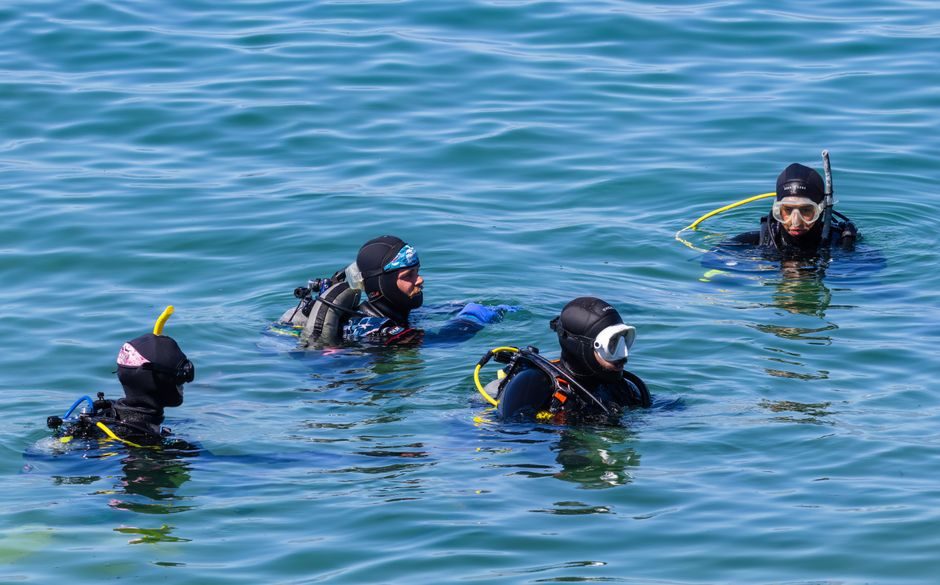

Scuba Diving Cost in India: What You’ll Actually Pay in 2026
I spent three years believing scuba diving was a rich person’s hobby. Then I actually looked up the scuba diving cost for a basic dive in Andaman and booked one for ₹3,500. That single decision changed how I travel forever. The reality is that recreational diving in India costs far less than most people assume, but the pricing structure can be genuinely confusing if you don’t know what you’re paying for.
Most travel websites throw around vague price ranges without explaining why costs vary so dramatically between locations, operators, and dive types. A try dive in Goa might cost ₹4,000 while the same experience in Lakshadweep runs ₹8,500. Understanding these differences saves you money and prevents unpleasant surprises.
Breaking Down the Basic Scuba Diving Cost Structure
Every scuba dive price includes three core components: equipment rental, instructor fees, and boat charges. When an operator quotes you ₹4,500 for a discover scuba dive, roughly 40% covers the gear, 35% pays the instructor, and 25% goes toward boat fuel and maintenance. This breakdown matters because it explains why shore dives cost less than boat dives, even at the same location.
The equipment alone, if you were to purchase it, would set you back ₹80,000 to ₹2,00,000 for a decent setup. That rental component in your dive fee suddenly looks reasonable. Most operators in India use gear from brands like Mares, Cressi, and Scubapro, which are reliable international manufacturers.
Discover Scuba Diving Prices Across Indian Destinations
Your first dive will likely be a Discover Scuba Diving (DSD) experience, also called a try dive or introductory dive. This requires no certification and includes a 30-minute briefing followed by a supervised underwater experience lasting 20-45 minutes.
In Havelock Island, Andaman, DSD prices in 2026 range from ₹3,500 to ₹5,500 depending on the dive site and operator reputation. Barefoot Scuba and Dive India are established names charging toward the higher end, but their safety records and instructor quality justify the premium. Budget operators exist at ₹3,000, though I’d personally avoid anyone undercutting the market significantly.
Goa offers slightly higher pricing at ₹4,000 to ₹6,000 for similar experiences around Grande Island. The visibility here is often poorer than Andaman, so you’re paying more for a arguably lesser experience. Pondicherry sits in the middle at ₹3,800 to ₹5,000, with Temple Reef being the primary dive site.
Why Lakshadweep Commands Premium Pricing
Lakshadweep diving costs start at ₹7,000 and climb to ₹12,000 for introductory dives. The logistics of reaching Bangaram or Kadmat islands, limited operator competition, and permit requirements all inflate prices. The tradeoff is water clarity exceeding 30 metres and relatively untouched coral systems.
Certification Course Costs: PADI vs SSI vs NAUI
If you plan to dive more than twice in your life, getting certified makes financial sense. The Open Water Diver certification, which allows you to dive independently to 18 metres, costs between ₹25,000 and ₹35,000 across most Indian dive centres. This includes four to five days of training, all equipment, and the certification card.
PADI remains the most recognized agency globally, and their courses typically cost ₹2,000 to ₹5,000 more than SSI equivalents. Is the premium worth it? Functionally, both certifications let you dive anywhere in the world. PADI’s advantage lies purely in name recognition if you’re planning international diving holidays.
How long does scuba certification take? The Open Water course requires a minimum of three days, though most centres in India stretch it to four or five days for more comfortable pacing. You’ll complete confined water training, theory sessions, and four open water dives.
Hidden Costs That Catch First-Time Divers
The quoted price rarely tells the full story. Many Andaman operators charge ₹500 to ₹1,000 extra for underwater photos and videos, which they’ll heavily encourage you to purchase. Some include this in the package; always confirm beforehand.
Equipment upgrades are another cost trap. A standard wetsuit comes included, but if you run cold, a thicker 5mm suit might cost ₹300 extra per dive. Prescription masks for divers with glasses add ₹200 to ₹400. These small charges accumulate quickly if you’re doing multiple dives.
Transport to dive sites rarely appears in the headline price. In Goa, reaching Grande Island requires a boat transfer that’s usually included. In Andaman, getting from Port Blair to Havelock costs ₹1,200 to ₹1,800 by government ferry or ₹1,500 to ₹2,200 by private operator. This isn’t part of your dive package.
Seasonal Pricing Variations You Should Know
Scuba diving costs fluctuate by 15-30% based on season across most Indian destinations. Andaman’s peak season runs October to May, with prices highest during December and January when domestic tourism peaks. The same DSD costing ₹5,500 in January might drop to ₹4,000 in September, though monsoon diving comes with visibility tradeoffs.
What is the best time for scuba diving in India? October through April offers optimal conditions at most locations, with March and April providing the calmest seas in Andaman. Avoid June through August when most operators shut down due to rough conditions.
Budget Season: The Sweet Spot
September and early October represent the value window. Monsoons are retreating, operators are reopening, and they’re eager for business. I’ve negotiated 20% discounts during this shoulder period simply by asking. Visibility averages 12-15 metres versus 20-25 in peak season, but for introductory dives where you’re not going deeper than 10 metres, this difference barely matters.
Multi-Dive Packages and Fun Dive Pricing
Certified divers pay for fun dives, which exclude instruction and simply provide equipment, boat access, and a dive guide. Single fun dives in Andaman cost ₹2,500 to ₹4,000. Buying packages reduces the per-dive cost significantly.
A two-dive package typically runs ₹4,500 to ₹6,000, bringing your per-dive cost to around ₹2,500. Five-dive packages range from ₹10,000 to ₹14,000, pushing individual dive costs below ₹2,500. If you’re spending a week in Havelock, a ten-dive package at ₹18,000 to ₹24,000 makes diving remarkably affordable at under ₹2,000 per dive.
Night dives and specialty dives command premiums of ₹500 to ₹1,500 above standard fun dive rates. These require additional certifications and aren’t available to newly certified divers.
Comparing International Destinations for Indian Travellers
Is diving cheaper in India or abroad? Thailand and Indonesia offer competitive pricing once you factor in flight costs. A DSD in Phuket or Bali costs around ₹3,000 to ₹4,500, comparable to Andaman rates. However, adding flights worth ₹15,000 to ₹25,000 makes domestic diving the budget choice for most Indian travellers.
The Maldives remains expensive at ₹8,000 to ₹15,000 for introductory dives, but the marine life density often justifies the premium. I’d recommend getting certified in India, then using your skills in Maldives or Philippines where visibility and biodiversity reward experienced divers.
Money-Saving Strategies That Actually Work
Book directly with dive operators rather than through travel aggregators. Platforms charge 15-25% commission, which either inflates your price or reduces the operator’s margin, potentially affecting service quality. Most Andaman dive centres respond to WhatsApp inquiries within hours.
Group bookings of four or more people usually unlock 10-15% discounts. Dive centres prefer filling boats efficiently, so they’ll negotiate. Weekday dives in Goa often cost ₹500 less than weekend slots when Mumbai and Pune crowds arrive.
Avoid the December 20 to January 5 window entirely if budget matters. Prices spike by 30-40%, availability drops, and dive sites become crowded. Early November or late February offers similar conditions at standard rates.
Is the Cost Worth It? A Realistic Assessment
Scuba diving isn’t cheap, but it’s far from the exclusive hobby many imagine. A ₹4,500 introductory dive costs less than a decent restaurant dinner for two in any metro city. The experience, seeing coral formations, swimming alongside sea turtles, breathing underwater, offers value that persists in memory far longer than most purchases at similar price points.
The honest caveat: some people try diving and feel nothing special. Underwater environments don’t captivate everyone equally. If you’re unsure, start with snorkeling at ₹800 to ₹1,500 to test your comfort in water before committing to a full dive experience.
For those who catch the diving bug, certification pays for itself after four to five dives through reduced per-dive costs and access to better sites. The initial investment feels steep, but amortized across years of diving holidays, it becomes genuinely economical.
0 Comment