


Spiti Valley Road Trip Map for 2026
I spent three days stuck in Kaza during my first Spiti Valley road trip because I hadn’t bothered studying the route properly. The Kunzum Pass was closed, my fuel calculations were off by about 40 kilometers, and I’d completely forgotten that ATMs stop working after Reckong Peo. That trip taught me more about planning than any guide ever could.
A proper Spiti Valley road trip map isn’t just about knowing which roads to take. It’s about understanding where you’ll find fuel, which stretches will test your vehicle, and why entering from one direction makes more sense than the other depending on your timing.
The Two Main Routes Into Spiti Valley
You have exactly two options for reaching Spiti by road. The Shimla-Kinnaur route via NH-5 stays open year-round and covers approximately 412 kilometers from Shimla to Kaza. The Manali route through Rohtang and Kunzum passes spans roughly 200 kilometers but remains accessible only from June to October.
Most experienced drivers recommend entering via Shimla and exiting through Manali. This approach lets your body acclimatize gradually since Shimla sits at 2,200 meters while Kaza rests at 3,800 meters. The Manali route throws you straight into high altitude territory, which catches many travelers off guard.
Shimla to Kaza Route Breakdown
From Shimla, you’ll drive through Narkanda, Rampur Bushahr, and Reckong Peo before entering Spiti proper. The stretch between Reckong Peo and Nako involves some genuinely treacherous sections along the Sutlej River. Landslides are common here during monsoon months, and the road narrows to single-lane passages for several kilometers.
Budget 2 full days for this route if you’re driving yourself. Night driving is strongly discouraged since most sections lack guardrails and visibility drops dramatically after sunset.
Essential Fuel Stops on Your Spiti Road Trip Map
This is where most trip plans fall apart. Petrol pumps in Spiti are scarce, unreliable, and sometimes simply out of stock. The last guaranteed fuel station before Kaza is at Reckong Peo if you’re coming from Shimla, and at Manali if you’re taking the northern route.
Kaza does have a fuel station, but I’ve seen it run dry during peak season. The HP Petrol Pump in Kaza operates irregularly, and diesel availability fluctuates based on tanker schedules from the plains. Carry at least 20 liters of extra fuel in jerry cans regardless of your vehicle’s tank capacity.
Distance Between Key Fuel Points
Reckong Peo to Kaza stretches approximately 200 kilometers with zero fuel availability in between. From Manali to Kaza via Kunzum, you’re looking at roughly 200 kilometers without any pumps. These aren’t distances you can wing with a half-full tank.
Permit Requirements and Documentation
Indian nationals don’t need inner line permits for Spiti Valley. Foreign tourists require permits for certain areas, which can be obtained from the SDM office in Kaza or Reckong Peo. The process typically takes 2 to 3 hours and costs around INR 400 per person.
What you absolutely need are your vehicle registration documents, valid driving license, and insurance papers. BRO checkpoints at Sumdo and occasionally before Kunzum will ask for these. Photocopies don’t work. They want originals.
Day-by-Day Route Map for a 7-Day Circuit
A week gives you enough time to complete the circuit without rushing through the most scenic spots. Here’s how I’d structure it based on three trips through the valley.
Days 1-2: Shimla to Sangla
Cover the 230 kilometers from Shimla to Sangla on day one. The Baspa Valley here offers relatively comfortable acclimatization at 2,680 meters. Stay at Banjara Camp Sangla if you want proper facilities, or try the HPTDC Hotel Sangla for budget options around INR 1,500 per night. Day two works well for exploring Chitkul, India’s last inhabited village before the Tibet border.
Days 3-4: Sangla to Nako to Tabo
The 110-kilometer stretch from Sangla to Nako takes about 5 hours due to road conditions. Nako Lake and its ancient monastery deserve at least half a day. Push on to Tabo the same evening or early next morning. The Tabo Monastery, dating back to 996 AD, houses some of the finest Buddhist art in the Himalayan region. Himachal Tourism runs a decent guesthouse here charging around INR 800 for a double room.
Days 5-6: Tabo to Kaza and Surrounding Villages
Kaza sits 47 kilometers from Tabo and serves as your base for exploring Hikkim, Komic, Langza, and Key Monastery. The world’s highest post office at Hikkim makes for a quirky stop, though don’t expect your postcards to arrive quickly. Key Monastery perches dramatically on a hill about 12 kilometers from Kaza and functions as an active training center for around 300 monks.
Day 7: Kaza to Manali via Kunzum
This final leg covers approximately 200 kilometers and typically takes 8 to 10 hours depending on road conditions. The Kunzum Pass at 4,590 meters marks the highest point of your journey. Chandratal Lake lies about 14 kilometers off the main route and adds 2 hours to your drive, but the detour is worth every bump.
Best Time to Attempt This Circuit
The complete Shimla-Spiti-Manali circuit opens only between mid-June and mid-October. Attempting it earlier or later means gambling with Kunzum Pass conditions. The BRO clears Rohtang by late May most years, but Kunzum often stays blocked until June’s second week.
September offers the clearest skies and most stable weather, though night temperatures drop to near freezing. July and August bring occasional rain which triggers landslides, particularly on the Kinnaur stretch. I’d avoid August entirely if possible.
Vehicle Recommendations and Road Conditions
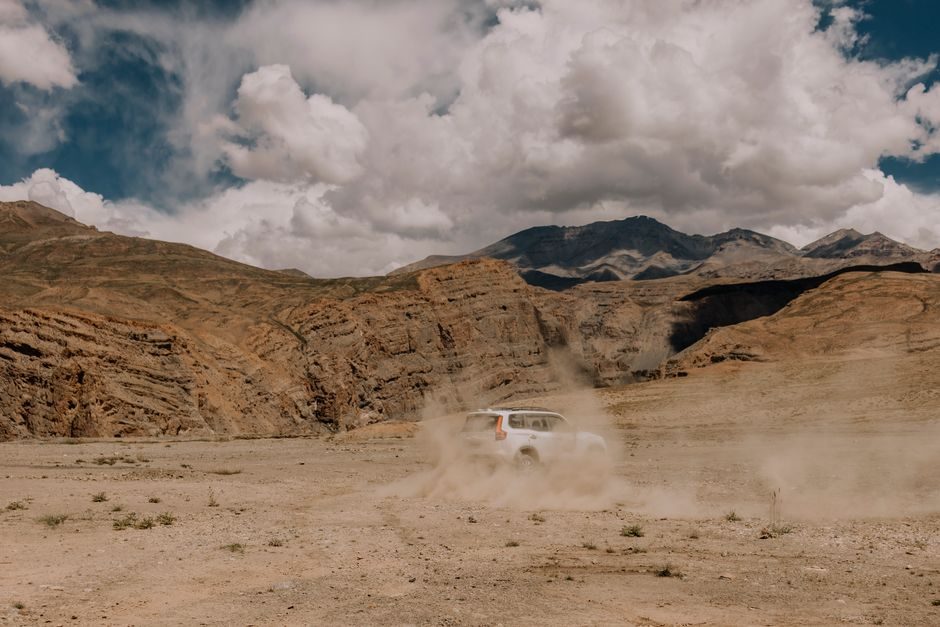
High ground clearance isn’t optional for this trip. SUVs like the Mahindra Thar, Toyota Fortuner, or even the trusty Maruti Gypsy handle these roads well. Sedans struggle badly on the water crossings between Batal and Chandratal, and the unpaved sections near Losar can bottom out low-slung vehicles.
Four-wheel drive becomes essential if you’re traveling before July or after September when snow patches linger on higher sections. Tire chains provide backup insurance even in summer months.
Bike Trip Considerations
Royal Enfield Himalayans and the older Bullets dominate Spiti’s roads for good reason. Their torque handles altitude better than smaller displacement bikes, and spare parts exist in Kaza for common Enfield issues. The RE service center in Kaza operates from a small garage and has saved many trips from ending prematurely.
Altitude Sickness and Realistic Expectations
Nobody talks about this enough. Acute Mountain Sickness affects roughly 25% of travelers who ascend above 3,000 meters too quickly. Symptoms include headaches, nausea, and difficulty sleeping. The Shimla route’s gradual elevation gain helps, but even then, some people struggle.
Diamox works preventatively for many travelers, though consulting a doctor before your trip makes sense. Carrying Acetazolamide 250mg tablets provides backup if symptoms appear. More importantly, don’t try to push through severe symptoms. Descending a few hundred meters resolves most cases within hours.
Budget Breakdown for the Complete Circuit
Self-driving the circuit in your own vehicle costs approximately INR 25,000 to INR 35,000 for two people over 7 days. This covers fuel, accommodation in budget guesthouses, and basic meals. Renting an SUV from Shimla or Manali adds INR 15,000 to INR 25,000 depending on the vehicle and season.
Organized tours from Delhi start around INR 35,000 per person for shared departures including transport, accommodation, and some meals. Private tours cost significantly more but offer flexibility that group trips lack.
What Most Maps Don’t Show You
Paper maps and Google Maps both fail spectacularly in Spiti. Offline maps through apps like Maps.me or downloaded Google Maps work better, but even these miss recent road changes. The BRO regularly shifts routes due to landslide damage, and a path marked clearly on your phone might be a pile of rubble in reality.
Local knowledge trumps everything. Chat with other travelers heading the opposite direction. Stop at dhabas and ask drivers about conditions ahead. The owner of Sham’s Dhaba in Batal probably knows more about Kunzum’s status than any official source.
Your Spiti Valley road trip map needs to be flexible. Print the route, download offline maps, and then accept that the mountains will probably change your plans anyway. That’s half the adventure.
0 Comment