

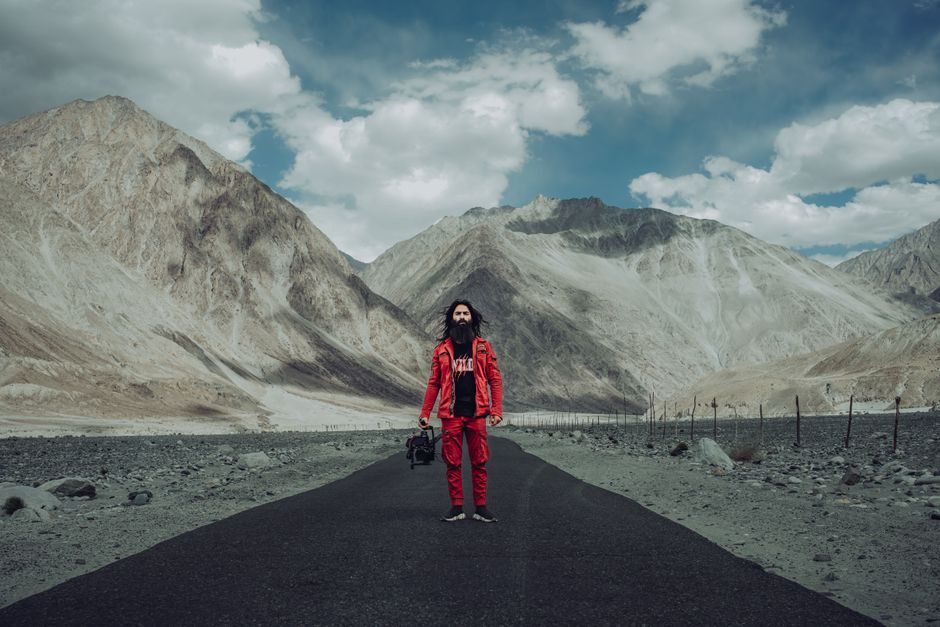

Ladakh Solo Trip Package 2026: What Nobody Tells You
I spent eleven days in Ladakh last September, and here’s what surprised me most: the solo travellers who booked packages were often lonelier than those who went independent. That sounds backwards, right? A Ladakh solo trip package should handle everything, leaving you free to soak in the landscape. But the reality is messier, and understanding this mess will save you money and frustration.
Most package comparisons online read like brochure copy. They list inclusions without context. They ignore that a “deluxe tent” at Pangong can mean anything from genuine comfort to a leaky canvas box. This guide takes a different approach. We’ll examine what these packages actually deliver, where they fail, and how to choose one that matches your specific travel style.
Why Solo Travellers Choose Packages Over DIY
The permit system pushes many solo travellers toward packages. Inner Line Permits for Nubra Valley, Pangong Lake, and Turtuk require group applications or agency processing. While you can technically arrange permits independently through the DC office in Leh, the process eats half a day. For someone with only seven days, that’s painful.
Altitude is the other factor. Acute Mountain Sickness hits roughly 25% of visitors in their first 48 hours at 11,500 feet. Packages that include a mandatory two-day acclimatisation period in Leh aren’t being cautious for show. I watched a confident 28-year-old cyclist get evacuated on day three because he ignored the headaches. Package operators have seen this enough to build buffer days into itineraries.
The Real Cost Breakdown Nobody Shares
Budget solo packages from Leh-based operators start around ₹18,000 for a seven-day tour. This typically covers shared accommodation, permits, a Tempo Traveller seat, and basic meals. What it doesn’t cover matters more: single room supplements (₹800-1,500 per night), photography stops beyond scheduled ones, and anything you actually want to eat after tasting the included dal-chawal five days straight.
Mid-range packages from operators like Himalayan Adventurers or Overland Escape run ₹32,000-45,000. The meaningful difference isn’t luxury, it’s flexibility. You get a dedicated Innova or Xylo instead of sharing with eleven strangers. Your driver stops when you want to photograph the Magnetic Hill or linger at Lamayuru. That autonomy changes everything when travelling alone.
Fixed Departures vs Private Packages: The Solo Dilemma
Fixed departure group tours dominate the budget segment. Companies like YHAI, Trippertrails, and India Hikes run weekly batches from June through September. You pay less because costs split across fifteen people. The tradeoff is rigid timing and companions you don’t choose.
I joined a fixed departure once. Our group included a honeymooning couple who wanted privacy, two friends who complained constantly about the cold, and a retired professor who lectured everyone about Buddhist iconography whether we asked or not. The scenery was spectacular. The social dynamics were exhausting.
When Group Packages Work Anyway
If you’re under 30 and genuinely enjoy meeting strangers, group packages can be brilliant. Several operators now run youth-focused batches specifically for solo travellers aged 21-35. These trips function more like organised friend groups. Thrillophilia’s “Solo Traveller Specials” and WanderOn’s Ladakh batches have decent reputations for this demographic.
Budget constraints matter too. A private package with your own vehicle and driver costs ₹65,000-85,000 for the same seven-day itinerary. If that’s not in your budget, a ₹22,000 group tour beats not going at all. Just manage your expectations about flexibility.
The 7-Day Itinerary Most Packages Follow
Almost every operator runs a version of this route: Day 1-2 in Leh for acclimatisation, Day 3 to Nubra via Khardung La, Day 4 at Hunder or Diskit, Day 5 to Pangong Lake via Shyok Road, Day 6 at Pangong, Day 7 return to Leh. Some add Turtuk or Hanle as extensions.
This itinerary exists because the road network dictates it. You cannot efficiently visit Pangong before Nubra without backtracking through Leh. Packages that promise “unexplored routes” are usually just shuffling the same stops. The Leh Tourism Department confirms this standard circuit accounts for 87% of tourist permits issued.
Hidden Gems Packages Actually Miss
Hemis Monastery sees fewer visitors than Thiksey despite being more architecturally significant. Most packages skip it because it’s 45 km from Leh with no other attractions nearby. Similarly, Stok Palace Museum houses the actual crown jewels of Ladakh’s royal family, but tour buses rarely stop there. If your package allows “free time in Leh,” rent a scooter from Dzomsa and visit these yourself.
The Sham Valley trek between Likir and Yangthang takes three days and passes through villages with no road access. It’s completely achievable as a solo trekker with basic fitness. Yet I’ve never seen a package include it. The infrastructure exists, the permits are straightforward, but operators stick to vehicle-based tourism because it’s easier to manage.
What Is Actually Included in Standard Packages
Reading inclusions lists carefully prevents arguments later. “Accommodation” might mean a guesthouse room in Leh but a shared tent at Pangong. “Meals” might cover breakfast and dinner but not the lunch you’ll desperately want at Khardung La Top. “All permits” should cover Protected Area Permits and Inner Line Permits, but some operators exclude the ₹300 Environmental Fee for Pangong.
The phrase “oxygen cylinder available” appears in many listings. This is borderline misleading. Portable oxygen canisters cost ₹500-800 per use and aren’t included in your package price. They’re available for purchase. An actual oxygen concentrator in the vehicle is rare outside premium packages above ₹70,000.
Choosing Operators: Red Flags and Green Lights
Verify physical presence in Leh before booking. Many “Ladakh specialists” operate from Delhi or Mumbai with local subcontractors. This creates accountability gaps when things go wrong. Operators like Overland Escape, Gyalpo Travels, and Explore Ladakh maintain year-round Leh offices. You can call landline numbers to confirm.
Google reviews matter less than you think for adventure tourism. Five-star reviews often come from travellers who’ve never been elsewhere in Ladakh and can’t compare. Instead, check operator registrations with the J&K Tourism Department. Ask for vehicle registration numbers upfront and verify insurance coverage includes high-altitude travel.
Questions to Ask Before Paying
What happens if roads close due to weather or military activity? The Khardung La closes unpredictably. Your itinerary needs a backup plan. Does the driver speak English or Hindi? At 17,000 feet with a pounding headache, communication barriers become dangerous. Is there a Leh-based emergency contact available 24/7? Some operators go silent after you depart.
Best Months for Solo Travel Packages
September offers the best balance for solo travellers. Tourist numbers drop after August’s school holidays, making shared packages less crowded. Weather remains stable with minimal rain. The Pangong Lake changes colour dramatically in autumn light. Road conditions stay good until early October.
June packages cost 15-20% more because demand peaks. July and August bring monsoon uncertainty, with landslides occasionally blocking the Manali-Leh Highway for days. Winter packages (December-February) exist but require genuine cold tolerance. Night temperatures at Pangong drop to minus 25 degrees Celsius. That’s not adventure, it’s punishment.
The Honest Limitations of Package Travel
You will not experience Ladakh deeply on a seven-day package. You’ll see the highlights, photograph the famous spots, and leave with a curated impression. Genuine connection with Ladakhi culture requires staying in homestays, eating with families, and accepting the slower rhythm of high-altitude life. Packages optimise for efficiency, which is almost the opposite.
That said, a well-chosen package gives solo travellers something valuable: safety infrastructure. Reliable vehicles, experienced drivers who read altitude sickness symptoms, and backup plans for emergencies. In terrain where mobile networks vanish for hours, this matters. The question isn’t whether packages are worth it but whether you’re honest about what you’re trading.
Booking Your Ladakh Solo Trip Package in 2026
Book at least six weeks ahead for peak season (June-August). Off-season trips need less lead time but verify that your preferred operator runs batches when you’re planning to visit. Direct bookings through operator websites cost 10-15% less than aggregator platforms like MakeMyTrip or Thrillophilia, which take commissions.
Carry cash. UPI and card payments work in Leh’s main market but fail entirely in Nubra and Pangong. Budget ₹2,000-3,000 daily for extras beyond package inclusions. And most importantly, arrive in Leh a day before your package starts. Fly in, sleep, hydrate, and let your body adjust. No package can compress the acclimatisation your lungs require at altitude.
0 Comment