

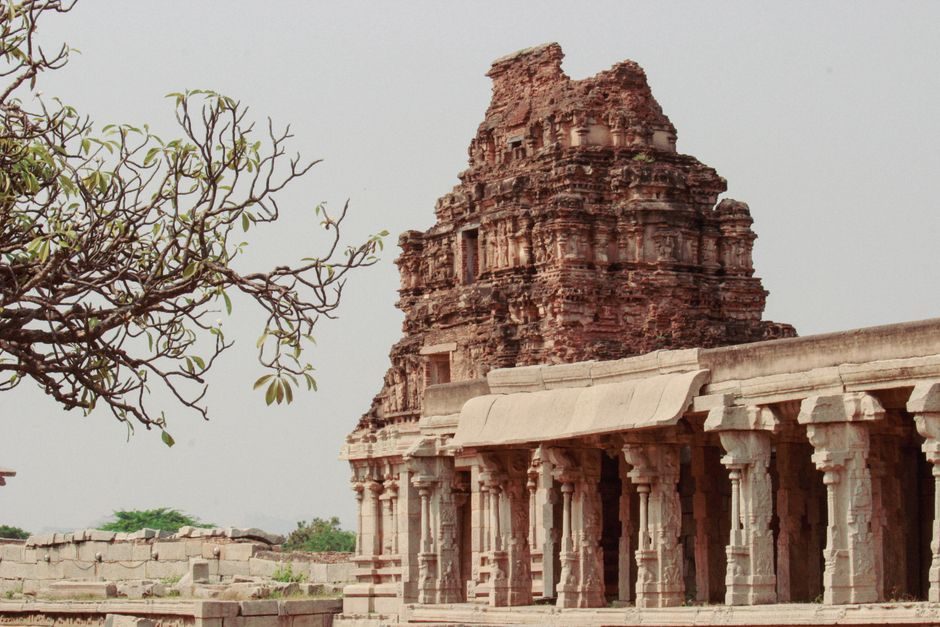

Hampi 2 Day Itinerary for 2026
I’ve visited Hampi four times over the past six years, and I still find myself planning another trip. There’s something about those boulder-strewn landscapes and crumbling temples that pulls you back. But here’s what nobody tells you: most Hampi itineraries are structured terribly. They have you zigzagging across the ruins in the worst heat, standing in queues when you could have the place to yourself, and missing the spots that actually matter.
This Hampi 2 day itinerary is built differently. I’ve structured it around the sun’s movement, local rhythms, and the reality that you’ll be exhausted by 2 PM in summer. Whether you’re arriving from Bangalore, Goa, or Hyderabad, this route minimises backtracking and maximises those moments where you feel genuinely transported to the 14th century.
When to Visit Hampi: Timing Your 2 Day Trip
October through February remains the sweet spot. Temperatures hover between 20-32°C, making temple hopping actually pleasant. I made the mistake of visiting in April once. By noon, the granite boulders radiate enough heat to fry eggs, and every shaded corner becomes precious real estate.
The monsoon months from July to September bring a different challenge altogether. While the landscape turns impossibly green and tourist crowds vanish, several sites become slippery and a few riverside areas flood. The Tungabhadra rises significantly, and coracle rides get suspended. If you’re a photographer chasing dramatic skies, monsoon edges work beautifully. For everyone else, stick to winter.
Weekday vs Weekend Considerations
Hampi transforms on weekends. What feels like a meditative UNESCO site on Tuesday becomes a selfie battleground by Saturday noon. The Vijaya Vittala Temple complex, particularly the Stone Chariot, gets genuinely crowded. If you can swing a Monday-Tuesday visit, you’ll have a fundamentally different experience than a Saturday-Sunday one.
Day 1 Morning: The Sacred Centre Before the Crowds
Start at 6:30 AM. I’m serious about this. The Virupaksha Temple opens at 6 AM, and by 7 AM you’ll have the main shrine nearly to yourself. The head priest performs the morning puja, temple elephants get their baths nearby, and the light filtering through the gopuram creates photographs you simply cannot replicate at midday.
Spend about 90 minutes here. Don’t rush through. The temple’s inner sanctum houses a Shiva lingam that’s been worshipped continuously for over 700 years. There’s a fascinating pinhole camera effect in one of the inner chambers where an inverted image of the gopuram appears on the wall. Most tourists miss it entirely.
From Virupaksha, walk 800 metres southeast to the Hampi Bazaar area. This ancient marketplace once stretched for nearly a kilometre, lined with shops selling diamonds, silk, and spices during the Vijayanagara Empire’s peak. Now it’s atmospheric ruins, but walking it early morning with chai from a nearby stall remains one of my favourite Hampi rituals.
Day 1 Late Morning: Hemakuta Hill and Surroundings
By 9 AM, head up Hemakuta Hill directly behind Virupaksha Temple. The climb takes 15 minutes and rewards you with panoramic views of the entire temple zone. Dozens of small shrines dot this hill, each with distinct architectural styles spanning multiple centuries. This is where you’ll understand why Hampi earned its UNESCO World Heritage status.
The Sasivekalu Ganesha and Kadalekalu Ganesha monoliths sit nearby. These aren’t just big statues. The Kadalekalu Ganesha stands 4.5 metres tall, carved from a single boulder. You’ll notice the belly resembles a Bengal gram, which is exactly what “kadalekalu” means in Kannada.
Day 1 Afternoon: The Royal Enclosure
After lunch, most itineraries suggest visiting the Vijaya Vittala Temple. This is a mistake. That complex deserves your freshest morning energy, not your post-lunch sluggishness. Instead, spend afternoon hours at the Royal Enclosure, which offers more shade and less walking.
The Royal Enclosure lies about 3 kilometres southeast of Virupaksha. Auto rickshaws charge ₹150-200 for this hop. Here you’ll find the famous Lotus Mahal, one of the few structures that survived the 1565 sacking relatively intact. The Queen’s Bath nearby features an impressive 15-metre square pool with ornate balconies. It’s easy to imagine royal women relaxing here six centuries ago.
The Elephant Stables deserve attention too. Eleven domed chambers once housed the royal war elephants, and the architectural fusion of Hindu and Islamic elements tells you something about the empire’s cosmopolitan nature.
Day 1 Evening: Sunset at Matanga Hill
This is non-negotiable. Matanga Hill offers the single best sunset viewpoint in Hampi, period. The climb takes 20-30 minutes and involves some scrambling over boulders, so bring water and wear proper shoes. Start climbing by 4:30 PM to secure a good spot.
From the summit, you’ll see the entire ancient city spread below you. The Tungabhadra River curves silver in the distance, temples punctuate the landscape, and those surreal boulder formations glow orange as the sun drops. I’ve watched this sunset three times and each felt equally special.
Where to Stay: Hippie Island vs Hampi Bazaar
You’ve got two distinct choices. Hampi Bazaar side keeps you close to the main temple complex but accommodation options skew basic. Virupapur Gaddi, locally called Hippie Island, sits across the river and offers better cafes, more character, and a backpacker vibe. Getting there requires a short coracle ride costing ₹50.
For budget travellers, guesthouses on Hippie Island charge ₹800-1500 per night for clean rooms with attached bathrooms. The Mowgli Guesthouse and Shanti Guest House consistently get good reviews. If you want something more comfortable, the Evolve Back Kamalapura Palace sits 5 kilometres outside but charges upward of ₹15,000 per night. It’s gorgeous but honestly unnecessary for a 2-day trip.
Day 2 Morning: Vijaya Vittala Temple Complex
Wake early again. Reach the Vijaya Vittala Temple by 7 AM when gates open. This complex sits 2.5 kilometres northeast of the Hampi Bazaar and requires a separate ₹40 ticket for Indians, ₹600 for foreigners. Electric carts ferry visitors from the parking area, but walking the ancient stone pathway adds context.
The Stone Chariot dominates most photographs, and deservedly so. But spend time with the musical pillars inside the main temple. These 56 pillars produce distinct musical notes when struck, though the Archaeological Survey of India now discourages visitors from testing this to prevent damage.
The temple’s Ranga Mandapa features some of Hampi’s finest sculptural work. Look for the detailed carvings of dancers and musicians along the pillars. You can easily spend two hours here without feeling rushed.
Day 2 Midday: Coracle Ride and Anegundi
Cross the Tungabhadra via coracle near the Vijaya Vittala Temple. These circular boats look precarious but have ferried people here for centuries. The ride costs ₹100-150 and takes about 10 minutes. On the opposite bank, you’ll find Anegundi, possibly the oldest continuously inhabited settlement in India.
Rent bicycles in Anegundi for ₹100-150 per day. The Pampa Sarovar temple and Anjanadri Hill, believed to be Hanuman’s birthplace, lie within cycling distance. Anjanadri involves a 575-step climb, so assess your energy levels honestly. The views reward the effort.
Budget Breakdown for Your Hampi 2 Day Itinerary
Here’s what you’ll realistically spend per person. Accommodation runs ₹800-1500 per night for budget options, so ₹1600-3000 for two nights. Entry tickets total roughly ₹80 for Indians covering major monuments. Food costs approximately ₹300-500 daily since Hampi restaurants are cheap. Local transport including autos and coracles adds another ₹400-600 for the entire trip. Round it up, and a comfortable 2-day Hampi trip costs ₹3500-5500 excluding transport to Hampi itself.
Getting to Hampi: Transport Options Compared
From Bangalore, overnight buses to Hospet cost ₹600-1200 depending on the operator and bus type. VRL and SRS run reliable services, departing around 10 PM and arriving by 6 AM. Hospet lies 13 kilometres from Hampi, and shared autos charge ₹50-80 for this final leg.
The Hampi Express train from Bangalore takes about 9 hours and costs ₹300-800 depending on class. It’s comfortable but arrives mid-morning, eating into your first day. From Goa, buses take 7-8 hours via Hubli. From Hyderabad, expect a 6-7 hour bus journey.
What Most Itineraries Get Wrong
They pack too much into too little time. Hampi isn’t a checkbox destination. The ruins span 26 square kilometres, and rushing through them defeats the purpose entirely. I’ve deliberately left some monuments out of this itinerary. The Underground Shiva Temple, the Zenana Enclosure, and several smaller sites deserve attention but require either a third day or accepting that you won’t see everything.
That’s fine. Hampi rewards return visits. Better to absorb fewer places deeply than photograph dozens superficially. Take your time, skip a temple if you’re tired, and spend an extra hour watching sunset from those otherworldly boulders. The ruins have waited 500 years. They’ll wait for your next trip too.
0 Comment