


Mumbai to Spiti Valley Flight: The Honest Route Guide
Let me save you thirty minutes of confused Googling. There is no direct Mumbai to Spiti Valley flight because Spiti has no airport. The closest you can fly is to Kullu-Manali Airport at Bhuntar, and even that comes with caveats I wish someone had told me before I booked my tickets last June.
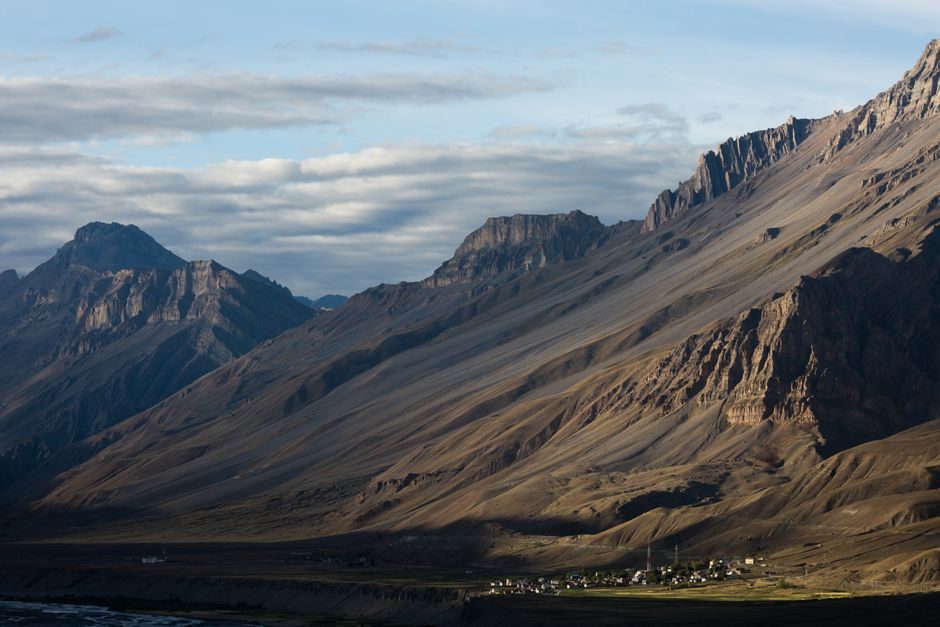
Spiti Valley sits at 12,500 feet in Himachal Pradesh, surrounded by terrain that makes runway construction a logistical nightmare. Your flight only gets you partway there. The real journey begins when you land, and that road portion is either the best part of your trip or the worst, depending on how you plan it.
Understanding Your Airport Options from Mumbai
You have three realistic airports to consider when flying from Mumbai toward Spiti. Each has trade-offs that guidebooks rarely mention.
Bhuntar Airport (Kullu-Manali)
This is the closest airport to Spiti at roughly 245 km from Kaza, the valley’s main town. IndiGo and SpiceJet operate flights from Mumbai with a Delhi connection, typically costing between Rs 6,500 and Rs 12,000 depending on season. The catch? Bhuntar has one of India’s trickiest runways. Flights get cancelled frequently due to weather, especially before 10 AM when valley fog lingers. I have personally had two cancellations here across three trips.
Chandigarh Airport
More reliable than Bhuntar, with direct Mumbai flights on Vistara and IndiGo starting around Rs 4,500 one way. The airport is 415 km from Kaza, which sounds worse until you factor in Chandigarh’s near-perfect flight operation record. You lose time on the road but gain peace of mind.
Delhi IGI Airport
The budget option. Mumbai to Delhi flights start at Rs 2,800 if booked three weeks ahead. From Delhi, you are 520 km from Kaza. Most budget travellers choose this route and either rent a car from Delhi or catch an overnight HRTC bus to Manali before continuing to Spiti.
How Long Does It Actually Take to Reach Spiti from Mumbai?
This is where expectations need adjusting. Even with a flight, you are looking at a minimum of 18 to 20 hours of total travel time to reach Kaza. The flight portion is only 3 to 4 hours including layovers. The remaining 10 to 14 hours is road travel through some of India’s most demanding mountain terrain.
If you fly to Bhuntar and drive immediately, you can technically reach Kaza the same day. You would land by noon, start driving by 1 PM, and reach Kaza around midnight via Rohtang Pass. I do not recommend this. The altitude gain is brutal on your body, and you will spend your first day in Spiti feeling miserable from acute mountain sickness.
The Smart Two-Day Approach Most Travellers Miss
Here is what actually works. Fly into Chandigarh on day one and drive to Narkanda or Sangla, which sits at around 8,500 feet. Sleep there. Your body acclimatizes overnight. On day two, continue to Kaza through the Kinnaur route. You arrive feeling human instead of oxygen-deprived.
This approach costs maybe Rs 1,500 extra for the hotel in Narkanda but saves you from wasting two days of your Spiti trip recovering from headaches and nausea. The Kinnaur route also stays open longer into the year, typically until late November, while Rohtang Pass closes by mid-October.
Realistic Budget Breakdown for Mumbai to Spiti in 2026
Travellers underestimate costs because they only calculate flights. Here is what you actually spend for a seven-day trip:
Flights from Mumbai to Chandigarh run Rs 5,000 to Rs 8,000 return if booked a month ahead. Private taxi from Chandigarh to Kaza and back costs Rs 22,000 to Rs 28,000 for a Mahindra Xylo or similar SUV. You can split this with other travellers to bring it down to Rs 6,000 per person.
Accommodation Costs in Spiti
Homestays in Kaza, Langza, and Komic range from Rs 800 to Rs 1,500 per night including meals. Hotels in Kaza like Zostel or Hotel Deyzor charge Rs 1,800 to Rs 3,500. Camping options at Chandratal Lake run Rs 2,500 to Rs 4,000 for a tent with meals.
Food outside your homestay costs Rs 200 to Rs 400 per meal. There are exactly two ATMs in all of Spiti, both in Kaza, and they run out of cash frequently. Carry at least Rs 15,000 in cash from Chandigarh.
Which Months Should Mumbai Travellers Avoid?
The Spiti Valley travel window is narrow, and this matters more if you are flying. Mid-June to mid-October is the reliable season. Outside this window, road conditions become unpredictable, and your expensive flight tickets might go to waste if you cannot proceed beyond Manali or Shimla.
July and August bring monsoon risks. The Kinnaur route faces landslides, sometimes blocking roads for days. I got stuck in Reckong Peo for 36 hours in August 2023 because a landslide took out the road near Tapri. Locals told me this happens every monsoon season without fail.
September and early October offer the best conditions. Skies are clear, roads are stable, and tourist crowds thin out after the August rush. Flight prices also drop by 15 to 20 percent after the school holiday season ends.
What Permits Do You Need and Where to Get Them?
Indian citizens do not need permits for Spiti Valley itself. However, if you plan to visit Tabo Monastery’s restricted caves or venture toward the Indo-Tibetan border areas, you need an Inner Line Permit from the District Commissioner’s office in Kaza or Reckong Peo.
The permit costs Rs 50 and takes about an hour to process. Carry four passport-size photos and ID proof. Some travellers skip this because enforcement is inconsistent, but checkpoints near Pin Valley have become stricter in recent years.
Ground Transport Options After Landing
Shared taxis from Bhuntar to Manali cost Rs 400 per person and run until 5 PM. From Manali, HRTC operates a daily bus to Kaza leaving at 4:30 AM, reaching Kaza around 4 PM. The fare is Rs 550. This bus runs only from July to September and fills up fast.
Private taxis from Manali to Kaza cost Rs 8,000 to Rs 10,000 one way. Union rates are fixed, so bargaining does not work. From Chandigarh, self-drive rentals are available through Zoomcar and Revv starting at Rs 2,500 per day for a compact SUV. Factor in Rs 12 per km extra for hill driving surcharges.
Can You Use Ola or Uber?
Ola works in Chandigarh and Manali town only. Beyond that, app-based cabs do not exist. Local taxi unions control all hill routes, and attempting to bring an Ola cab from the plains to Spiti will cost you triple the local rates.
Packing Essentials Mumbai Travellers Forget
You are coming from sea level to 14,000 feet. Your Mumbai wardrobe is useless here. Temperatures in Kaza drop to 5 degrees Celsius even in July nights. Pack thermal inners, a proper down jacket, and waterproof hiking shoes. Borrowing or buying these in Spiti is not an option as shops barely stock basic supplies.
Diamox for altitude sickness costs Rs 15 per tablet and requires a prescription, so visit your doctor before flying out. Start taking it 24 hours before reaching high altitude. Sunscreen with SPF 50 is non-negotiable because UV exposure at this altitude causes burns within an hour.
A Practical Seven-Day Itinerary That Actually Works
Day one: fly Mumbai to Chandigarh, drive to Narkanda, sleep. Day two: drive Narkanda to Kalpa through Kinnaur, enjoy apple orchards, sleep at a homestay. Day three: Kalpa to Kaza via Nako village and Tabo Monastery. Days four and five: explore Key Monastery, Kibber, Langza, and Hikkim. Day six: drive to Chandratal Lake, camp overnight. Day seven: return to Chandigarh via Rohtang, catch evening flight to Mumbai.
This loop covers both entry routes, avoids backtracking, and gives your body time to adjust to altitude. It is also the itinerary Himachal Tourism recommends, though they never mention the acclimatization logic behind it.
The Honest Drawbacks Nobody Mentions
Spiti has almost no mobile network outside Kaza. BSNL works intermittently at monasteries. Jio and Airtel are dead beyond Manali. If you need constant connectivity for work, this is not your destination.
Medical facilities are basic. The Kaza hospital handles minor issues but anything serious requires evacuation to Manali or Shimla, which takes 10 hours minimum. Travel insurance with medical evacuation cover is not paranoia here. It is common sense.
The roads will test your patience. Even in peak season, expect at least one delay due to a broken-down truck, a minor landslide, or army convoy passage. Build buffer days into your itinerary. Flying out on the same day you return to Chandigarh is asking for trouble.
0 Comment