

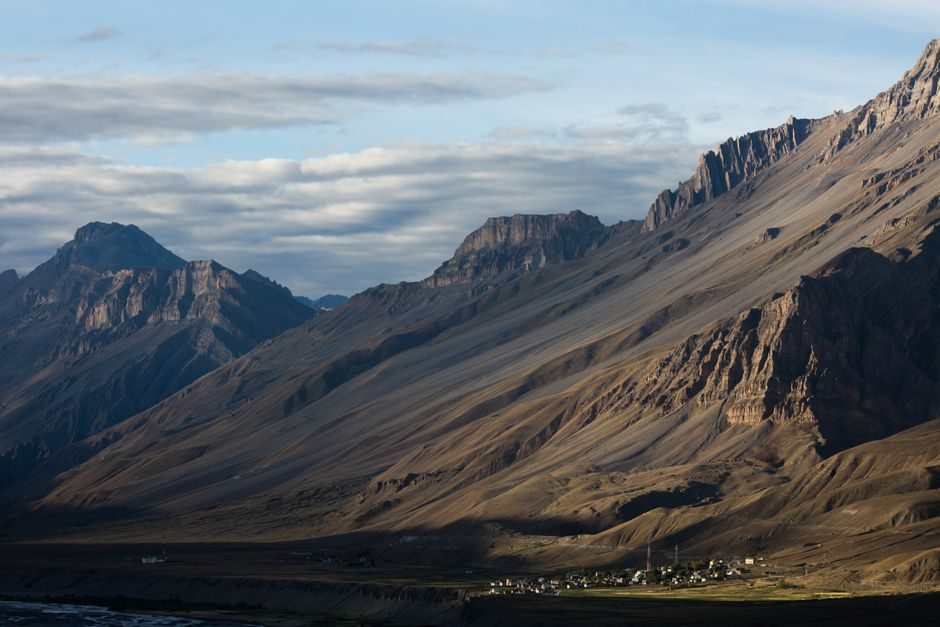

Shimla to Spiti Valley: The Route Nobody Warns You About
I watched a family of four abandon their sedan at Narkanda last summer. The father stood there, hands on hips, staring at the road ahead like it had personally betrayed him. His mistake was common: treating the Shimla to Spiti Valley route like a regular hill station drive. It is not. This 412-kilometre stretch through Kinnaur and into the cold desert will test your vehicle, your patience, and occasionally your bladder control when the road disappears into a landslide zone.
But here is what most travel guides skip: this route is actually the easier approach to Spiti compared to Manali. The Shimla side stays open from April through November, while Rohtang and Kunzum passes from Manali only clear by late June. If you are planning a Spiti trip before monsoon hits, Shimla is your only realistic option.
Why the Shimla Route Beats Manali for Most Travellers
The elevation gain tells the story. From Shimla at 2,200 metres, you climb gradually through apple orchards and deodar forests before hitting the stark landscapes of Kinnaur. The highest point on this route is Nako at around 3,600 metres. Compare this to the Manali route where you cross Rohtang Pass at 3,980 metres and Kunzum at 4,590 metres within hours of each other.
Your body acclimatizes better on the Shimla side. I have seen fewer cases of altitude sickness on this route because the ascent happens over three to four days rather than being compressed into one dramatic push. For families with elderly members or young children, this gradual climb matters more than any scenic viewpoint.
Road Conditions You Should Actually Expect
The stretch from Shimla to Rampur Bushahr is well-maintained NH-5 with proper tarmac. After Rampur, things get interesting. The Kinnaur section has ongoing construction zones that shift monthly. Between Tapri and Spillow, expect single-lane traffic with 30-minute waits at checkpoints during peak season.
How long does the Shimla to Spiti Valley journey take? Most travellers need four to five days one way if you want to actually enjoy the destination rather than just survive it. Rushing through in two days is possible but you will miss Chitkul, Nako, and Tabo, which defeats the purpose entirely.
The Day-by-Day Breakdown That Actually Works
Forget those aggressive two-day itineraries. They look good on paper and feel terrible in execution. Here is what works for a first-time visitor without turning the trip into an endurance test.
Day One: Shimla to Sarahan (175 km, 7 hours)
Leave Shimla by 6 AM before the Narkanda traffic builds up. The Bhimakali Temple at Sarahan sits at 2,100 metres and serves as your first proper overnight stop. Rooms at the HPTDC Hotel Shrikhand cost around 2,500 rupees and the temple guesthouse offers basic accommodation for 800 rupees. Do not skip the temple visit at sunrise, the brass doors and wooden architecture are genuinely impressive.
Day Two: Sarahan to Kalpa (105 km, 5 hours)
This short driving day lets you soak in Kinnaur properly. Kalpa faces the Kinnaur Kailash range directly, and watching sunrise paint the peaks pink is worth the early alarm. The Kinner Kailash Hotel charges 3,000 to 4,000 rupees for rooms with mountain views. Budget travellers can find guesthouses near the monastery for 1,200 rupees.
Day Three: Kalpa to Nako via Chitkul (130 km, 8 hours)
The detour to Chitkul adds three hours but takes you to India’s last inhabited village before the Tibet border. The road to Chitkul from Sangla is narrow and crowded in June, so leave early. Nako village sits beside a sacred lake at 3,600 metres. This is where altitude symptoms might first appear, so drink water obsessively and skip alcohol entirely.
Day Four: Nako to Kaza (110 km, 5 hours)
You enter Spiti Valley proper today. Stop at Tabo Monastery for at least two hours. The 1,000-year-old murals inside the main temple are the reason UNESCO listed this site. Kaza arrives by late afternoon, and you will finally understand why people obsess over this valley. The barren mountains, the prayer flags, the thin air, it hits differently when you have earned it through four days of driving.
What This Trip Actually Costs in 2026
Budget travel to Spiti from Shimla is possible but requires planning. Here is the realistic breakdown for a couple travelling in their own vehicle.
Fuel costs approximately 6,000 rupees for a mid-size SUV covering the return journey. Accommodation ranges from 800 rupees at monastery guesthouses to 4,500 rupees at proper hotels. Food runs 500 to 800 rupees daily per person at local dhabas and homestays. Permit fees for Kinnaur and Spiti total around 500 rupees per person, obtainable at Reckong Peo.
What is the total budget for Shimla to Spiti Valley trip? A comfortable 10-day journey for two people costs between 45,000 and 65,000 rupees including fuel, stays, food, and permits. Backpackers using HRTC buses can manage the same route for 15,000 to 20,000 rupees per person.
The Permit Situation Nobody Explains Clearly
Indian citizens need an Inner Line Permit for areas beyond Jangi in Kinnaur. The Reckong Peo DC office issues these permits on the spot with valid ID proof. The process takes 30 minutes on good days and two hours when the queue builds up. Foreign nationals face additional restrictions and require permits from Shimla itself, arranged through registered tour operators.
The permit system changed in 2023 and online applications now work intermittently. Carry physical copies of your ID and two passport photos. The checkpost at Pooh verifies permits strictly, and they will send you back if paperwork is incomplete.
Vehicle Choice Matters More Than You Think
Can you drive Shimla to Spiti in a sedan? Technically yes, but I would not recommend it. The Spillow to Nako section has water crossings that deepen after noon when glacial melt increases. Ground clearance below 180mm invites trouble. High-clearance SUVs like the Mahindra Thar, Toyota Fortuner, or even a well-maintained Bolero handle these roads without drama.
If you are renting, expect to pay 3,500 to 5,000 rupees daily for a self-drive SUV from Chandigarh or Shimla. Add 1,500 rupees daily for a local driver familiar with these routes. Honestly, hiring a driver makes sense for first-timers. They know which sections flood after rain and where rockfall zones demand extra caution.
Where the Route Actually Gets Dangerous
The stretch between Malling Nullah and Sumdo deserves your full attention. This 40-kilometre section sees active landslides from July through September. The Border Roads Organisation works constantly here, but nature wins frequently. In August 2026, traffic stopped for 72 hours after a major slide blocked the road completely.
Is Shimla to Spiti safe during monsoon? Not really. July and August bring unpredictable weather, swollen rivers, and genuine risk. The Sutlej runs dangerously high and several bridges have washed away in past seasons. If monsoon travel is unavoidable, check conditions with the Reckong Peo BRO office daily.
Stays Worth Booking in Advance
Kaza has decent accommodation but the good places fill up fast from May through October. The Zostel Spiti offers dorm beds for 600 rupees and private rooms for 2,200 rupees. Spiti Valley Retreat charges around 4,000 rupees for comfortable rooms with attached bathrooms. For something special, the mud-brick stays at Langza village cost 1,500 rupees including meals and deliver authentic Spitian hospitality.
Tabo has limited options but the monastery guesthouse provides basic rooms for 400 rupees. The attached bathroom situation is shared, but the location beside the ancient monastery compensates for minor discomforts.
What to Pack That Actually Matters
Forget the extensive lists. Here is what genuinely helps: sunscreen with SPF 50 minimum because high-altitude UV is brutal. A good power bank since electricity in remote villages cuts out frequently. Cash in small denominations because ATMs beyond Reckong Peo are unreliable. Prescription medications in double quantity because pharmacies in Spiti stock basics only.
Layers work better than heavy jackets. Mornings in Kaza drop to 5 degrees Celsius even in June while afternoons warm to 20 degrees. A fleece, wind-cheater, and thermal base layer cover most situations without filling your entire bag.
The Honest Assessment
Shimla to Spiti Valley is not a trip for everyone. If you need reliable WiFi, consistent hot water, and paved roads throughout, this journey will frustrate you. But if you can tolerate some uncertainty in exchange for landscapes that look genuinely extraterrestrial, the route delivers something you will not find anywhere else in India.
Start planning two months ahead. Book your first and last night stays in advance. Accept that schedules will shift based on road conditions. And remember that family I mentioned at Narkanda? They eventually hitched a ride to Sarahan in a passing Sumo, loved every minute of it, and returned the next year in a proper 4×4. Sometimes the detour becomes the journey.
0 Comment