


Things to Do in Tosh Himachal Pradesh
I first stumbled into Tosh after missing my bus to Kasol. That accidental detour in 2019 turned into a four-day stay, and I have returned three times since. Most travel guides will tell you Tosh is a hippie village with mountain views. They are not wrong, but they are barely scratching the surface. This tiny hamlet perched at 2,400 metres in the Parvati Valley offers experiences that most tourists completely overlook because they spend their entire trip sitting in cafes.
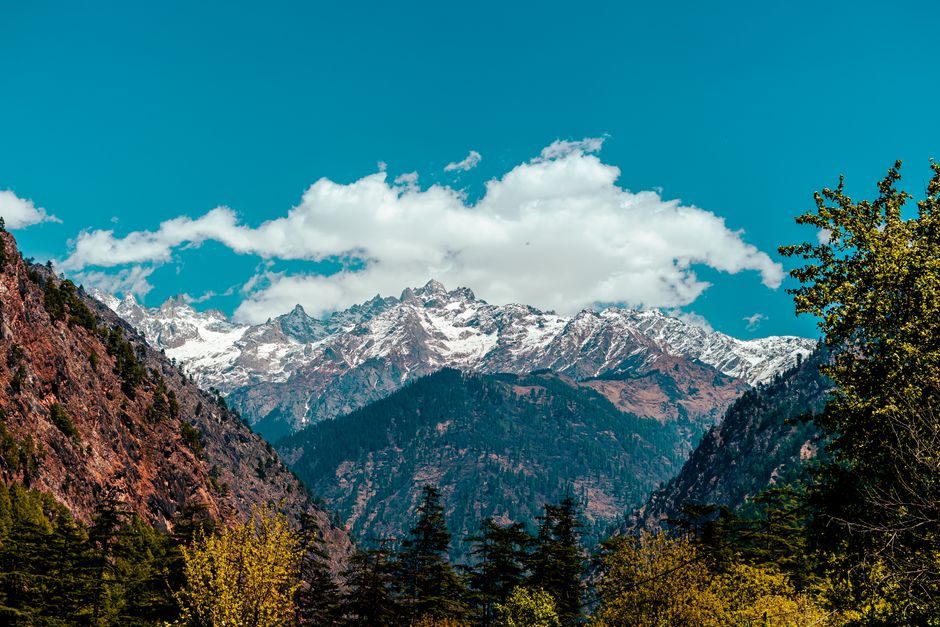
Tosh sits roughly 20 kilometres from Kasol and about 3 kilometres uphill from Barshaini, the last point accessible by road. The village has maybe 50 permanent households, a handful of guesthouses, and zero ATMs. What it lacks in infrastructure, it compensates with raw Himalayan beauty that larger towns in Himachal Pradesh have long sacrificed to tourism.
Trek to Kutla Village Before the Crowds Find It
Everyone treks to Kheerganga from Barshaini. Almost nobody continues from Tosh to Kutla, a shepherd settlement about 4 kilometres further up. The trail starts behind the Pink Floyd Cafe and climbs through dense pine forests before opening into alpine meadows. You will encounter more sheep than people.
The trek takes roughly 2 hours one way at a moderate pace. Pack your own water and snacks because there are no shops along the route. The best months are May through June and September through October. Monsoon makes the trail dangerously slippery, and winter buries it under snow. I once attempted it in late November and had to turn back after 30 minutes.
What to Expect at Kutla
Kutla is not a destination with monuments or attractions. It is a collection of stone huts where Gaddi shepherds stay during summer grazing months. One family sometimes serves basic dal chawal for around 150 rupees. The real draw is the unobstructed view of Parvati Valley stretching below and snow peaks rising behind. Sit there for an hour. You will understand why people keep returning to these mountains.
Explore the Authentic Tosh Village Core
Most visitors stay in the newer guesthouse area near the village entrance and never venture into old Tosh. The original settlement sits higher up, accessible via steep stone pathways. Traditional Himachali wooden houses with slate roofs line narrow alleys. Elderly residents still wear traditional Kullu caps and speak a dialect that sounds nothing like standard Hindi.
Walking through old Tosh takes about 45 minutes if you stop to look properly. The ancient temple dedicated to Jamdagni Rishi anchors the village centre. Locals consider it highly sacred, so remove shoes and ask permission before photographing. I have seen tourists get scolded for being disrespectful, and honestly, they deserved it.
Chase the Tosh Waterfall in Spring
A seasonal waterfall cascades down the cliffs behind Tosh village, fed by snowmelt from higher elevations. The trail is unmarked and requires asking locals for directions. Head towards the Hilltop Cafe and continue past it for roughly 20 minutes. The path gets narrow and rocky near the end.
This waterfall flows strongest between late April and early June. By July, the flow diminishes significantly. By October, it is often reduced to a trickle. Many travel websites mention this waterfall without noting its seasonal nature, setting visitors up for disappointment. Time your visit correctly or skip it entirely.
Catch Sunrise from the Helipad Ground
Tosh has a flat clearing that locals call the helipad, though I have never seen a helicopter there. It sits at the highest point of the developed village area, offering 270-degree mountain views. The sunrise here rivals anything you will see in more famous destinations like Triund or Hampta Pass.
Wake up before 5 AM during summer months. The sun crests the eastern ridges around 5:30 AM, painting the snow peaks pink and orange. Bring a jacket because mornings are cold even in June. The temperature hovers around 8 to 12 degrees Celsius at that hour. I once watched the sunrise with a retired schoolteacher from Delhi who had visited Tosh fourteen years in a row. Some places just keep pulling you back.
Learn Basic Himachali Cooking from Guesthouse Hosts
Here is something no listicle mentions: several guesthouse owners in Tosh will teach you local recipes if you simply ask. Siddu, a steamed bread stuffed with poppy seeds and served with ghee, takes about two hours to prepare. Tudkiya bhath, a spiced rice dish unique to the Kullu region, requires specific techniques that differ from standard pulao.
I spent an afternoon learning to make aktori, a sweet buckwheat pancake, from a woman named Kamla at a small homestay near the temple. She charged nothing but appreciated when I bought vegetables from her neighbour’s shop. These interactions teach you more about Himalayan culture than any organized tour ever could.
Stargaze Without Light Pollution
Tosh has minimal artificial lighting. Power cuts remain common, especially during winter months. This inconvenience transforms into a massive advantage after dark. The Milky Way stretches across the sky with a clarity that city dwellers have forgotten exists.
New moon nights between September and November offer the best visibility. Bring a basic star map app on your phone. The altitude and dry autumn air create conditions that amateur astronomers travel across India to experience. No telescope needed. Your naked eyes will do just fine.
Day Trip to Manikaran for Hot Springs and History
Manikaran lies about 13 kilometres from Tosh, accessible via shared taxi from Barshaini for roughly 30 rupees per person. The town contains natural hot springs with water emerging at nearly 95 degrees Celsius. Both Sikh and Hindu pilgrims consider this site sacred, and a large gurudwara offers free meals to all visitors regardless of religion.
The springs contain sulfur and minerals that locals believe cure skin ailments. Whether or not you buy into the healing claims, soaking in naturally heated water after trekking provides undeniable relief. Separate bathing areas exist for men and women. Avoid weekends when crowds from Chandigarh and Delhi overwhelm the facilities.
Understand Why Monsoon Visits Are Risky
I need to be honest about something most travel blogs gloss over. Visiting Tosh between July and mid-September carries genuine risks. The Parvati Valley experiences heavy rainfall that triggers landslides regularly. The road from Bhuntar to Barshaini gets blocked multiple times each monsoon season. In 2023, tourists remained stranded in the valley for nearly a week due to road damage.
Leeches become extremely active during monsoon months. The trails turn muddy and treacherous. Cloud cover blocks mountain views entirely for days. If your dates are flexible, postpone to autumn or spring. The inconveniences simply outweigh the benefits.
Budget Realistically for Your Stay
Accommodation in Tosh ranges from 500 rupees for basic rooms with shared bathrooms to 2,500 rupees for newer properties with attached facilities and valley views. The Pink Floyd Cafe and Boom Shiva are among the better known options, though dozens of family run guesthouses offer better value and quieter settings.
Meals cost between 150 and 400 rupees depending on what you order. Israeli food features prominently on most menus due to the village’s popularity with Israeli backpackers. Indian options exist everywhere too. Carry cash because card payments remain rare. The nearest ATM sits in Kasol, and it runs out of money frequently during peak seasons.
Getting to Tosh and Moving Around
Fly into Bhuntar airport near Kullu and take a taxi to Barshaini, which costs around 1,500 rupees for a private vehicle. Alternatively, budget travellers can bus from Delhi to Bhuntar on overnight HRTC services starting at 800 rupees, then continue by local bus or shared taxi. The journey from Barshaini to Tosh involves either a 45 minute uphill walk or a 300 rupee taxi ride on a narrow road that terrifies first time visitors.
Within Tosh, you walk everywhere. The village covers perhaps half a square kilometre. Good shoes matter because paths are uneven and steep. Porters with mules can transport heavy luggage from Barshaini for around 200 rupees if you prefer not to carry bags uphill.
Tosh rewards visitors who slow down. Skip the checklist mentality. Spend an extra day doing nothing particularly Instagram-worthy. Drink chai with strangers. Watch clouds move across the valley. The Himalayas have been here for millions of years. They are not going anywhere.
0 Comment