


Manali to Spiti: Your 2026 Road Trip Guide
The Manali to Spiti route nearly broke my rental car’s suspension in 2023, and I’d do it again tomorrow. This 200-kilometre stretch through Himachal Pradesh isn’t just a road trip. It’s a masterclass in humility, patience, and the kind of raw mountain beauty that Instagram filters can’t improve.
Most guides treat this journey like a checklist of monasteries and lakes. I think that misses the point entirely. The Manali to Spiti route is about the spaces between destinations, those unplanned stops where you find yourself standing at 14,000 feet, questioning why you ever thought city life made sense.
Why the Manali Route Beats the Shimla Alternative
You have two ways to reach Spiti Valley from major cities. The Shimla-Kinnaur route stays open year-round but takes 12 to 14 hours of relatively tame driving. The Manali route via Rohtang Pass cuts travel time to 8 to 10 hours but remains accessible only from late May through early October.
Here’s what nobody tells you. The Shimla route is comfortable, scenic, and forgettable. The Manali route via Rohtang and Kunzum Pass forces you to earn Spiti. You’ll cross three high-altitude passes, navigate rivers that appear mid-road, and watch the landscape shift from pine forests to lunar terrain within hours.
For 2026, the Atal Tunnel has changed the game significantly. This 9.02-kilometre tunnel bypasses the old Rohtang Pass road, saving roughly two hours and eliminating the worst traffic bottlenecks. You’ll still need to tackle Kunzum Pass at 4,590 metres, but your total journey becomes far more predictable.
The Exact Route Breakdown From Manali
Your journey begins in Manali town, specifically from Mall Road where most hotels cluster. The first 25 kilometres to the Atal Tunnel entrance feel deceptively normal. Decent roads, chai stalls, the usual tourist buses.
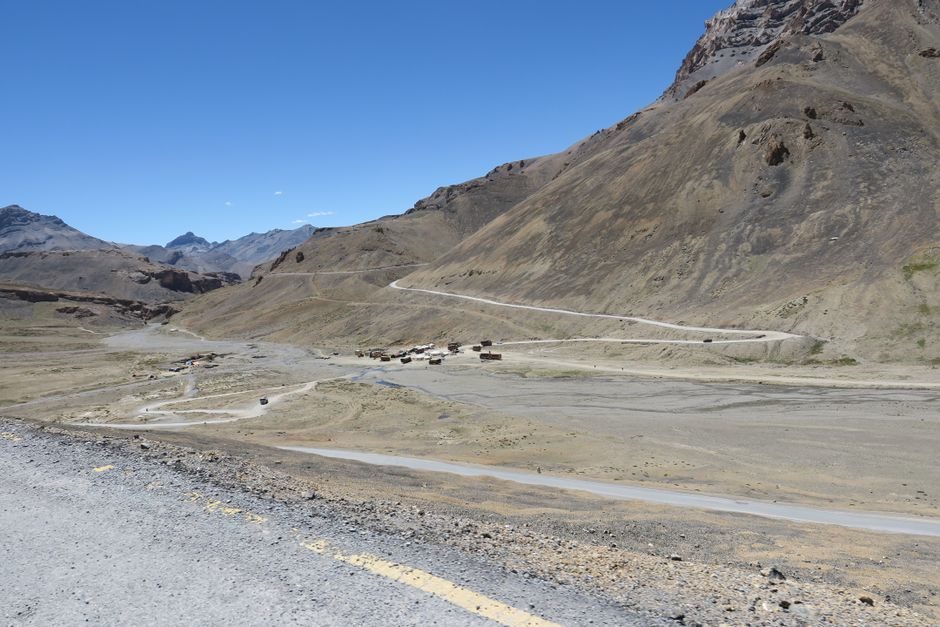
After emerging from the tunnel at Sissu in Lahaul Valley, the real adventure starts. The next stretch to Gramphoo is 50 kilometres of progressively deteriorating road. From Gramphoo, you’ll turn right toward Batal while the Leh highway continues straight.
Gramphoo to Batal: The Test
This 60-kilometre section separates casual tourists from committed travellers. The road, if you can call it that, follows the Chandra River through increasingly barren terrain. Water crossings happen without warning. I counted seven significant stream crossings during my June trip, though this varies with snowmelt.
Batal itself is nothing more than a few dhabas serving maggi and chai. But these dhabas have saved countless travellers, so tip generously. The standard meal costs around 150 to 200 rupees, and honestly, that maggi tastes better than most restaurant food after this drive.
Kunzum Pass to Kaza
From Batal, you’ll climb 14 kilometres to Kunzum Pass. The pass hosts a small temple dedicated to Goddess Durga, and almost every driver stops for a quick prayer. It’s not superstition. This road demands all the help you can get.
The descent to Losar takes another 20 kilometres. After Losar, you’ll finally hit relatively decent roads for the remaining 56 kilometres to Kaza. Most travellers reach Kaza by late afternoon if they’ve started from Manali by 5 AM.
Vehicle Selection Makes or Breaks This Trip
Can you take a sedan on the Manali to Spiti route? Technically yes. Should you? Absolutely not. The ground clearance requirements after Gramphoo make SUVs or crossovers essential. A Mahindra Thar, Toyota Fortuner, or even a Hyundai Creta with careful driving will manage.
Rental rates in Manali for self-drive SUVs range from 3,500 to 6,000 rupees daily, with Spiti-capable vehicles commanding premium pricing. Operators like Himachal Taxi Union and various local agencies offer chauffeur-driven options starting at 15,000 rupees for a multi-day Spiti circuit.
The real question travellers ask is whether bikes can handle this route. Motorcycles above 350cc absolutely can, and Royal Enfield Himalayans remain the popular choice. But solo bike travel on this route requires genuine mechanical knowledge. The nearest mechanic after Manali is in Kaza, roughly 200 kilometres away.
Inner Line Permit Requirements for 2026
Foreign nationals need an Inner Line Permit to enter Spiti Valley. Indian citizens don’t require permits, a fact that confuses many first-time planners. The permit application for foreigners happens at the Kaza SDM office or online through the Himachal Pradesh tourism portal.
Processing takes one to two working days, and you’ll need passport copies, photos, and a detailed itinerary. The fee is nominal at 50 rupees, but getting it sorted before arrival saves headaches. The Kaza office operates Monday through Saturday, 10 AM to 5 PM, and closes for lunch.
Best Time to Travel the Manali Spiti Route
The Kunzum Pass opens in late May and closes by mid-October. Within this window, June and September offer the best conditions. June gives you snow-capped peaks as backdrop, while September delivers clearer skies and fewer tourists.
July and August bring monsoon complications. The Manali side receives significant rainfall, and landslides become common between Gramphoo and Batal. I’ve been stuck for six hours due to a single landslide, and our group got off lucky.
If you’re asking whether the Manali to Spiti road is dangerous, let me be honest. It demands respect. Every season claims vehicles, usually due to driver overconfidence rather than road conditions. Stick to daylight driving, don’t overtake on blind curves, and accept that reaching Kaza an hour late beats not reaching at all.
Where to Stay Along the Way
The traditional overnight stop on this route is Chandratal Lake, located about 14 kilometres off the main road near Batal. Several campsites operate here between June and September, charging 2,500 to 4,500 rupees per night including meals. Parasol Camps and Chandratal Moonland Camps get consistently positive reviews.
However, I’d argue against the Chandratal stop for first-timers. The detour adds difficulty to an already challenging day, and the campsites can feel overcrowded on weekends. Push through to Kaza instead, then visit Chandratal as a separate day trip from Losar or Kaza.
Kaza Accommodation Options
Kaza offers everything from 600-rupee guesthouses to 5,000-rupee boutique stays. Hotel Deyzor remains the classic choice for travellers wanting reliable comfort at around 2,500 rupees nightly. Zostel Spiti attracts the hostel crowd with dorm beds at 800 rupees.
For something special, Norling Guesthouse in Kaza provides traditional Spitian architecture with modern amenities. Booking ahead matters during June and September weekends, but midweek availability is rarely problematic.
Realistic Budget Planning
A basic self-drive Manali to Spiti trip covering six days costs approximately 25,000 to 35,000 rupees per person when travelling in a group of four. This includes vehicle rental, fuel, accommodation, food, and entry fees. Solo travellers on bikes can manage with 15,000 to 20,000 rupees for the same duration.
Fuel availability ends at Manali. The next petrol pump is in Kaza, roughly 200 kilometres away. Carry 20 to 30 litres extra in jerry cans. Kaza’s fuel station operates unpredictably, sometimes running dry for days during peak season.
What Most Guides Get Wrong
Every itinerary I’ve read online suggests packing the Manali to Spiti journey into a tight seven-day circuit. This approach misunderstands what makes Spiti valuable. The valley rewards slowness. Spending three nights in Kaza, with day trips to Kibber, Hikkim, and Komic villages, beats rushing through checkpoints.
Altitude sickness affects more travellers than admit it. Kaza sits at 3,800 metres, and symptoms like headaches, nausea, and breathlessness hit around 40% of visitors. Rest your first evening, hydrate aggressively, and consider Diamox if you’ve struggled with altitude before.
The Himachal Pradesh Tourism Development Corporation maintains rest houses throughout the region, bookable through their official website. These government options offer clean, basic rooms at fixed rates without the seasonal price fluctuations private hotels impose.
I’ll end with this. The Manali to Spiti route isn’t the most comfortable way to spend a vacation. Your back will ache, your phone signal will disappear, and at least one moment will genuinely scare you. But when you’re standing in Langza village, staring at a 1,000-year-old Buddha statue with the Himalayas behind it, comfort becomes an irrelevant concept. That’s what you’re actually paying for.
0 Comment