


Edakkal Caves Opening Time and Visitor Guide 2026
The Edakkal Caves open at 9:30 AM and close at 4:30 PM every day except Mondays. I learned this the hard way when I showed up on a Monday morning in 2023, drove 25 kilometres from Kalpetta, and found the ticket counter shut. The security guard looked at me like I was the third disappointed tourist that hour. Save yourself the embarrassment and plan around this simple schedule.
These prehistoric rock shelters in Wayanad district hold some of South India’s most significant Neolithic petroglyphs. The carvings date back roughly 6,000 years, making them older than the Egyptian pyramids. Yet most travel guides focus on generic descriptions while ignoring the practical details that actually matter for your visit.
Official Edakkal Caves Timings and Entry Fees
The caves operate from 9:30 AM to 4:30 PM, Tuesday through Sunday. The last entry ticket is sold at 4:00 PM because the trek down takes about 30 minutes in daylight. Kerala Tourism and the Archaeological Survey of India jointly manage the site.
Entry fees are reasonable. Indian adults pay ₹30, while foreign nationals pay ₹100. Children under 5 enter free. Camera fees add another ₹25 if you want to bring anything beyond a smartphone. The ticket counter accepts cash only, so don’t rely on UPI or cards here.
Why Mondays Are Closed
Most ASI-protected monuments across India observe Monday closures for maintenance and conservation work. The petroglyphs inside Edakkal require careful monitoring because increased foot traffic accelerates deterioration. This weekly pause allows officials to inspect the fragile rock surfaces and manage erosion along the trek path.
Best Time to Reach the Caves
Arrive by 9:15 AM if you want a peaceful experience. The first hour after opening sees minimal crowds, and morning light filtering through the cave entrance creates the best conditions for viewing the ancient carvings. By 11 AM, school groups and tour buses start arriving, and the narrow passages become congested.
Afternoon visits work too, but you’ll deal with Kerala’s humidity at its worst. The 1-kilometre uphill trek becomes significantly harder when temperatures cross 32 degrees. I’ve done both morning and afternoon visits. Morning wins every time.
The Trek to Edakkal Caves: What Nobody Tells You
The trek covers roughly 1 kilometre from the parking area but includes a steep 400-metre climb with uneven stone steps. This isn’t a casual stroll. Elderly visitors and anyone with knee problems should seriously evaluate whether they can manage approximately 1,000 steps carved into the hillside.
Three rest points with shaded benches exist along the route. The first appears after about 200 metres, right when most people start questioning their fitness decisions. Local vendors sell water and lime juice at these stops for ₹20 to ₹40 per bottle. Carry your own to save money.
Footwear and What to Carry
Sports shoes or trekking sandals with good grip are essential. The stone steps become slippery during and after rain. Flip-flops are a terrible idea that I’ve seen tourists attempt anyway. They usually turn back within 10 minutes.
Bring at least 1 litre of water per person, a small snack, and sunscreen. The exposed sections offer no shade. A hat helps considerably during summer months between March and May.
Seasonal Considerations for Your Visit
October through February offers the ideal weather window. Temperatures stay between 18 and 28 degrees, humidity drops, and rain is unlikely. This period coincides with Wayanad’s peak tourist season, so expect higher hotel prices and advance booking requirements.
March through May brings intense heat. The trek becomes genuinely uncomfortable after 10 AM. June through September means monsoon, and here’s the honest truth: the caves sometimes close temporarily during heavy rainfall. The steep trail becomes dangerous, and landslide risks increase on Ambukuthi Mala.
Monsoon Closures: The Reality
I’ve spoken with locals who confirm that unannounced closures happen 3 to 5 times each monsoon season. The Kerala Tourism website rarely updates this in real time. If you’re visiting between June and August, call the Wayanad District Tourism Office at 04936-202134 the morning of your planned visit. It takes 30 seconds and saves a wasted trip.
How Long Does the Complete Visit Take
Budget 2 to 3 hours for the entire experience. The trek up takes 30 to 45 minutes depending on your fitness level and how many photo breaks you need. Inside the caves, 20 to 30 minutes allows enough time to study the petroglyphs properly. The descent is faster at roughly 20 minutes.
Most tour packages allocate only 90 minutes for Edakkal, which feels rushed. If ancient history interests you even slightly, the extra time proves worthwhile. These carvings depict human figures, animals, and geometric patterns from a civilization we know almost nothing about.
Getting to Edakkal Caves from Major Cities
From Bangalore, the drive covers approximately 280 kilometres via Mysore and takes 6 to 7 hours. The route through Bandipur National Park adds scenic value but also adds unpredictable delays when elephant herds cross the highway.
Kozhikode Airport sits 100 kilometres away, making it the nearest commercial airport. Taxis from the airport to the caves cost between ₹2,500 and ₹3,000 for a one-way drop. From Kochi, expect a 300-kilometre drive taking roughly 7 hours via Palakkad.
Local Transport Options
From Kalpetta, the district headquarters, Edakkal is 25 kilometres away. Auto-rickshaws charge ₹400 to ₹500 for the round trip with waiting time. KSRTC buses run to Ambalavayal, 3 kilometres from the caves, but frequency is irregular. Renting a scooter in Kalpetta costs around ₹500 per day and gives you flexibility to explore other Wayanad attractions.
What You’ll Actually See Inside
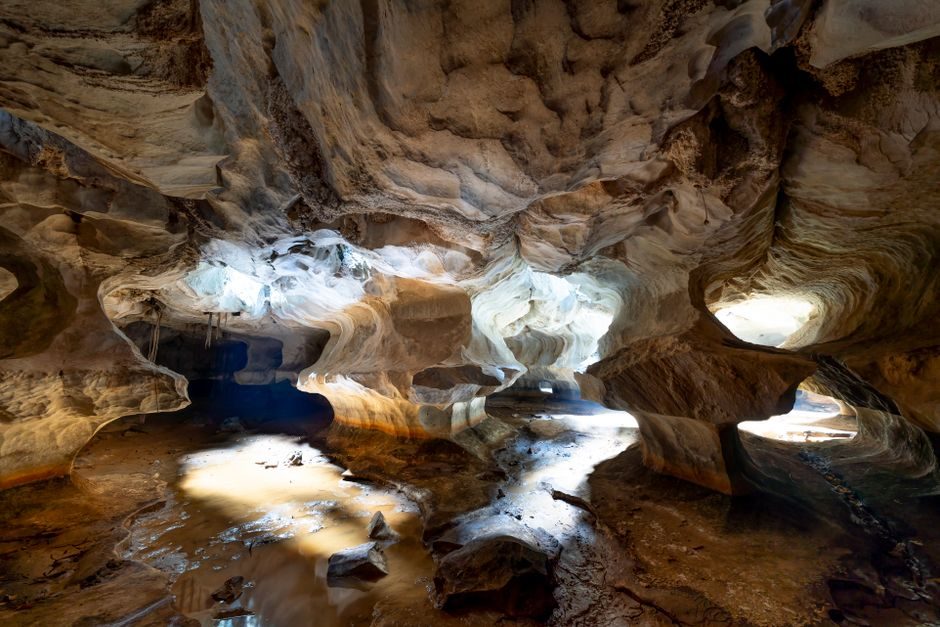
Two caves exist, though only the upper cave contains the famous petroglyphs. The lower cave is essentially a large rock overhang with limited historical interest. Most visitors spend their time in the upper cave, which features carvings spread across the ceiling and walls of a natural rock shelter.
The most recognizable petroglyph depicts a human figure with a headdress, often described as resembling a king or shaman. Other carvings show what appear to be elephants, deer, and various tools. Archaeologists from the Kerala Historical Society have documented over 250 distinct symbols within these caves.
Photography Inside the Caves
Natural lighting inside is poor. Flash photography technically requires the camera permit, though enforcement varies. The best photos come during midday when sunlight penetrates deepest into the cave opening. Smartphone cameras struggle with the contrast between dark rock and bright light.
Combining Edakkal with Other Wayanad Attractions
Edakkal Caves fit naturally into a Wayanad itinerary alongside Soochipara Falls, Banasura Sagar Dam, and the Wayanad Wildlife Sanctuary. A logical sequence visits the caves in the morning, has lunch in Kalpetta, then heads to Soochipara Falls 22 kilometres away for an afternoon swim.
Two to three days allows comfortable coverage of Wayanad’s highlights without rushing. Single-day trips from Bangalore are possible but exhausting and don’t do justice to the region. The plantation stays around Sultan Bathery and Vythiri offer excellent accommodation starting from ₹2,000 per night for budget options.
Practical Tips from Multiple Visits
The mobile network at the caves is unreliable. Download offline maps beforehand. Parking at the base costs ₹50 for cars and ₹20 for two-wheelers. Restrooms exist at the parking area but not along the trek or inside the caves.
Guides aren’t mandatory but available for ₹200 to ₹300 per group. They add context about the petroglyphs that interpretive signage inside the caves doesn’t cover. The information boards installed by ASI provide basic facts but nothing about ongoing research or competing theories about who created these carvings.
Plan your visit around the 9:30 AM opening time, respect the Monday closure, and check weather conditions during monsoon months. These prehistoric caves reward visitors who approach them with some preparation rather than treating them as just another checkbox on a Wayanad tour.
0 Comment