


Mysore Skydiving Booking: What Nobody Tells You
I stood at the edge of a perfectly good aircraft at 10,000 feet above Mysore last December, questioning every life decision that led me there. Thirty seconds later, I understood why people become addicted to freefall. If you’re researching Mysore skydiving booking options right now, you’re probably oscillating between excitement and terror. Good. That means you’re taking this seriously.
The skydiving scene near Mysore has matured significantly since the early days of sporadic events. What was once a seasonal activity has transformed into a more structured operation, though it still requires careful planning. This guide covers everything the glossy brochures skip, the stuff that actually determines whether your jump happens smoothly or becomes a frustrating waste of a weekend.
Where Exactly Does Mysore Skydiving Happen
Here’s something that confuses first-timers: there’s no permanent skydiving facility inside Mysore city. The actual drop zones operate from airstrips roughly 15 to 25 kilometres outside the city, typically near Mandakalli Airport or temporary setups in open farmland towards Nanjangud. The location varies depending on which operator runs the event and the permissions they’ve secured for that particular season.
Mandakalli Airport, about 12 kilometres south of Mysore Palace, hosts most organized jumps. It’s a small airstrip that handles flight training schools, making it suitable for skydiving operations when scheduled. Some operators use private farmland strips further out, which can add 30 to 45 minutes to your travel time from the city centre.
Getting There From Bangalore
Most jumpers travel from Bangalore, which sits approximately 145 kilometres northeast. The drive takes about three hours via the Mysore Expressway, though weekend traffic can stretch this to four. KSRTC Volvo buses run every 30 minutes from Majestic Bus Stand, costing around 400 to 600 rupees depending on the service class. Trains are cheaper but slower, and the timing rarely aligns with early morning jump schedules.
Understanding Tandem Jump Costs in 2026
Mysore skydiving booking prices have stabilized compared to the wildly inconsistent rates of previous years. A tandem jump, where you’re strapped to a certified instructor who handles everything technical, costs between 35,000 and 42,000 rupees. This price typically includes training, the jump itself, basic video footage, and a certificate.
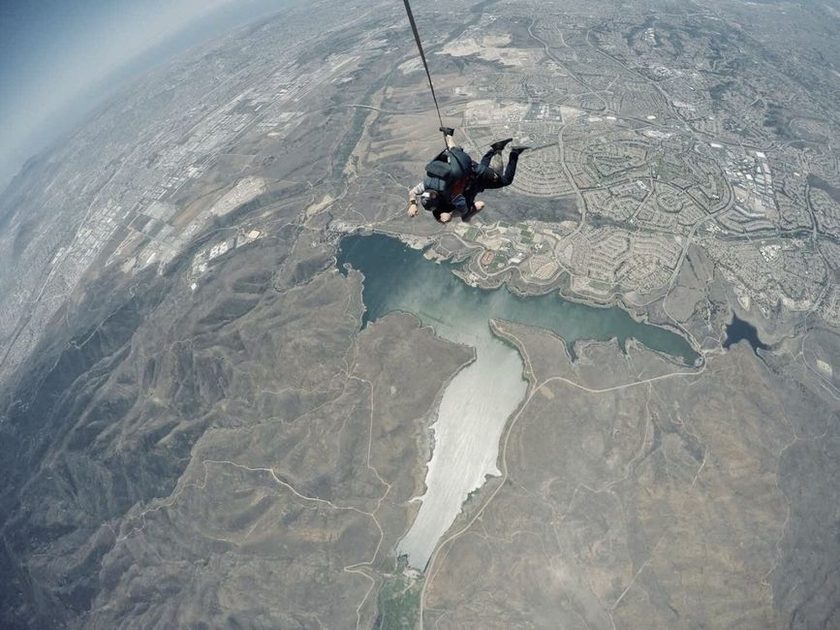
Why the price range? Operators charge differently based on jump altitude. A 10,000-foot jump gives you roughly 30 seconds of freefall before the parachute deploys. A 13,000-foot jump extends that to nearly 50 seconds. The higher option costs more but delivers a significantly longer adrenaline window. For a first jump, I’d argue the 10,000-foot option provides enough thrill without the premium.
Hidden Costs Nobody Mentions
Budget an extra 3,000 to 5,000 rupees beyond the jump fee. Professional video packages with multiple angles cost 2,000 to 4,000 rupees additional. Transportation from Mysore city to the drop zone isn’t always included. And if weather cancels your slot, some operators charge rebooking fees while others don’t, so read the fine print carefully before paying.
How to Book Your Mysore Skydiving Slot
Booking works differently than most adventure activities. Skydiving events near Mysore run on specific dates rather than daily schedules. Operators announce batches two to three months ahead, and popular weekend slots fill within days of opening. Waiting until the last minute almost guarantees disappointment.
The Karnataka State Tourism Development Corporation occasionally partners with certified operators for events, which adds a layer of legitimacy. Check their official website alongside private operators. Companies like Skyriders and similar certified outfits list Mysore events on their calendars, though availability changes seasonally.
What Documents Do You Need
Government-issued photo ID is mandatory. Carry both Aadhaar and a backup like a passport or driving license. You’ll sign multiple liability waivers and a medical declaration form. These aren’t formalities, operators take them seriously because insurance requirements have tightened across Indian adventure sports.
Physical Requirements and Health Restrictions
Can anyone do a tandem skydive? Almost, but not quite. Weight limits exist for safety reasons, typically capping at 100 kilograms, though this varies slightly between operators. The harness systems have engineering limits, and exceeding them isn’t negotiable regardless of how much you’re willing to pay.
Age minimums start at 18 years in India. There’s technically no upper age limit for tandem jumps, though operators may require additional medical clearance for anyone over 60. Heart conditions, epilepsy, recent surgeries, and pregnancy are automatic disqualifiers. If you’re on blood pressure medication, bring a doctor’s clearance letter stating you’re fit for the activity.
Best Season for Mysore Skydiving
October through February offers the most reliable jumping weather. Clear skies, minimal wind, and comfortable temperatures create ideal conditions. The post-monsoon period specifically, late October through November, tends to have the best visibility because recent rains have settled the dust.
Avoid booking between June and September entirely. Monsoon clouds, unpredictable winds, and poor visibility lead to frequent cancellations. I’ve seen people book monsoon slots hoping for luck, only to have three consecutive weekends scrapped. The disappointment isn’t worth the gamble.
Morning Versus Afternoon Slots
Morning jumps win every time. Winds typically pick up after noon, increasing the chance of delays or cancellations. Thermal activity from ground heating makes afternoon jumps bumpier during the parachute descent. Book the earliest available slot, even if it means waking at an ungodly hour.
Safety Standards and Operator Verification
This matters more than the price. Indian skydiving operates under guidelines from the Aero Club of India and DGCA regulations, though enforcement varies. Before booking with any operator, verify their instructor certifications. Tandem instructors should hold USPA (United States Parachute Association) ratings or equivalent international certifications.
Ask directly about equipment. Parachutes have mandatory repack cycles, typically every 180 days, and reserve chutes require AAD (Automatic Activation Device) installation. Reputable operators volunteer this information readily. Evasive answers about gear maintenance should send you elsewhere.
Red Flags to Watch For
Extremely low prices signal corner-cutting somewhere, usually in equipment maintenance or instructor qualifications. Operators unwilling to show certification documents pose obvious risks. Anyone promising jumps regardless of weather conditions doesn’t prioritize safety. Trust your instincts if something feels off during pre-booking communication.
What Happens on Jump Day
Arrive at least 90 minutes before your scheduled slot. The ground training session takes 20 to 30 minutes and covers body position during freefall, landing procedures, and emergency protocols. Pay attention here rather than daydreaming about Instagram posts.
You’ll gear up approximately 15 minutes before the aircraft takes off. The harness fitting is uncomfortable and tight, this is intentional and correct. The flight to altitude takes 15 to 20 minutes, during which your instructor runs final checks and explains the exit sequence.
The jump itself happens fast. Exit the aircraft, freefall for half a minute, then the instructor deploys the main chute. The canopy ride down takes four to six minutes and offers genuinely stunning views of Chamundi Hills and the surrounding countryside. Landing is gentler than you’d expect, though prepare to slide on your backside if conditions are slightly windy.
Combining Skydiving With a Mysore Trip
Since you’re traveling anyway, build a proper weekend around the jump. Mysore Palace deserves two hours minimum, ideally during the Sunday evening illumination. Chamundi Hills sits just 13 kilometres from the city and offers excellent sunset views, the same landscape you’ll see during your parachute descent.
Stay overnight rather than attempting a same-day Bangalore return. Post-jump adrenaline makes the drive risky, and frankly you’ll want to process the experience over a relaxed dinner. Hotels near Mysore Palace like Radisson Blu or mid-range options like Hotel Pai Vista run between 3,000 and 8,000 rupees per night.
Cancellation and Refund Reality
Weather cancellations happen regularly, accept this before booking. Most operators offer date transfers rather than refunds for weather-related scrubs, which is standard industry practice globally. Cancellations from your side typically forfeit 20 to 50 percent of the booking amount depending on notice period.
Get everything in writing. Email confirmations, cancellation terms, refund timelines. Verbal promises mean nothing when disputes arise weeks later. Screenshot payment receipts and save all communication threads.
Is Mysore Skydiving Worth It
Honestly? Yes, with caveats. The experience delivers genuine thrill and accomplishment that few activities match. The logistics require patience and flexibility that some travelers lack. If you book with realistic expectations about weather variability and operator limitations, the jump itself rewards that effort completely.
That moment of stepping into empty air, the roar of wind, the sudden silence when the canopy opens, these aren’t things you forget. Mysore offers a legitimate way to experience it without traveling abroad, at roughly one-third the international cost. Just do your homework first.
0 Comment