

No Cancel
1 person
___
The Thailand Songkran Festival Trip 2026 is a 6-day, 5-night package from India covering Bangkok and Pattaya, April 11–16. Priced at ₹35,000/person, it includes airport transfers, Coral Island speedboat tour, Walking Street visit, and 5 breakfasts — with full access to Songkran, Thailand’s New Year water festival.
✅ No visa required for Indians
🏨 5 nights hotel included
🚍 All transfers included
🏝 Coral Island tour included
💦 Songkran Apr 13–15 in Bangkok
🍳 5 breakfasts included
🗓 DAY 1 – 11 APRIL | ARRIVAL IN BANGKOK ✈️
Insider tip: April 11 is your only window for a quiet sit-down meal. Book your hotel breakfast for 7–7:30am every morning — starting early before the 38–40°C heat peaks is the single biggest comfort advantage on this trip.
Insider tip: Starting in Pattaya gives you an extra Songkran day that Bangkok-only travellers miss. The beach-road celebrations are more relaxed and photogenic — a gentler introduction before Bangkok’s intensity on Days 4–5.
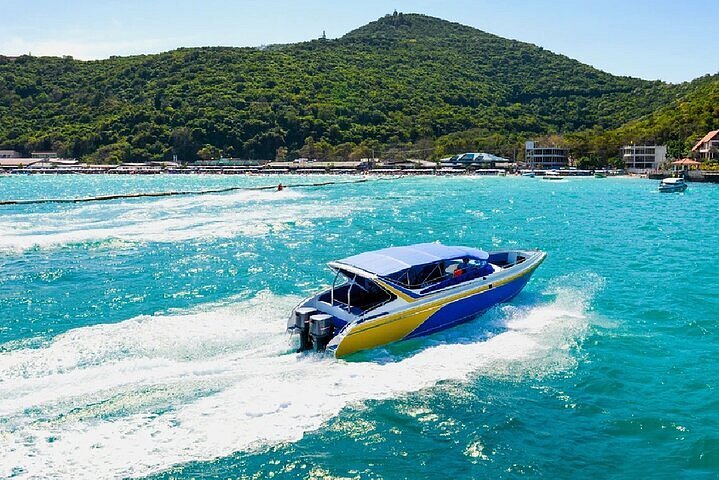
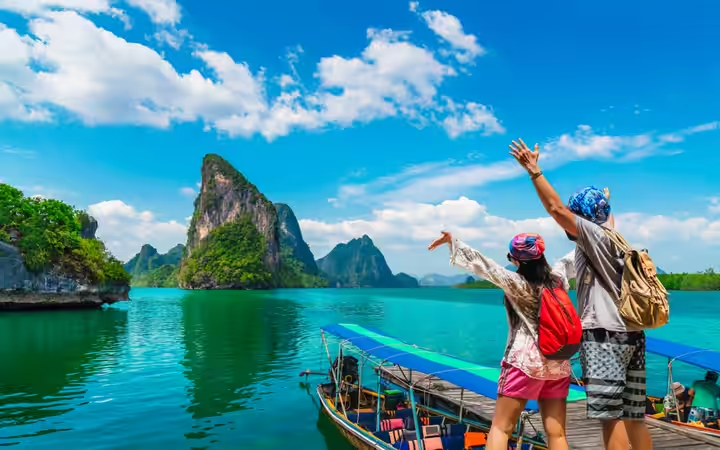
Insider tip: Ask your speedboat operator to take the scenic route around Ko Larn’s southern tip on the return — the coastal views of Pattaya from the water are better than any rooftop, and it adds only ~10 minutes.
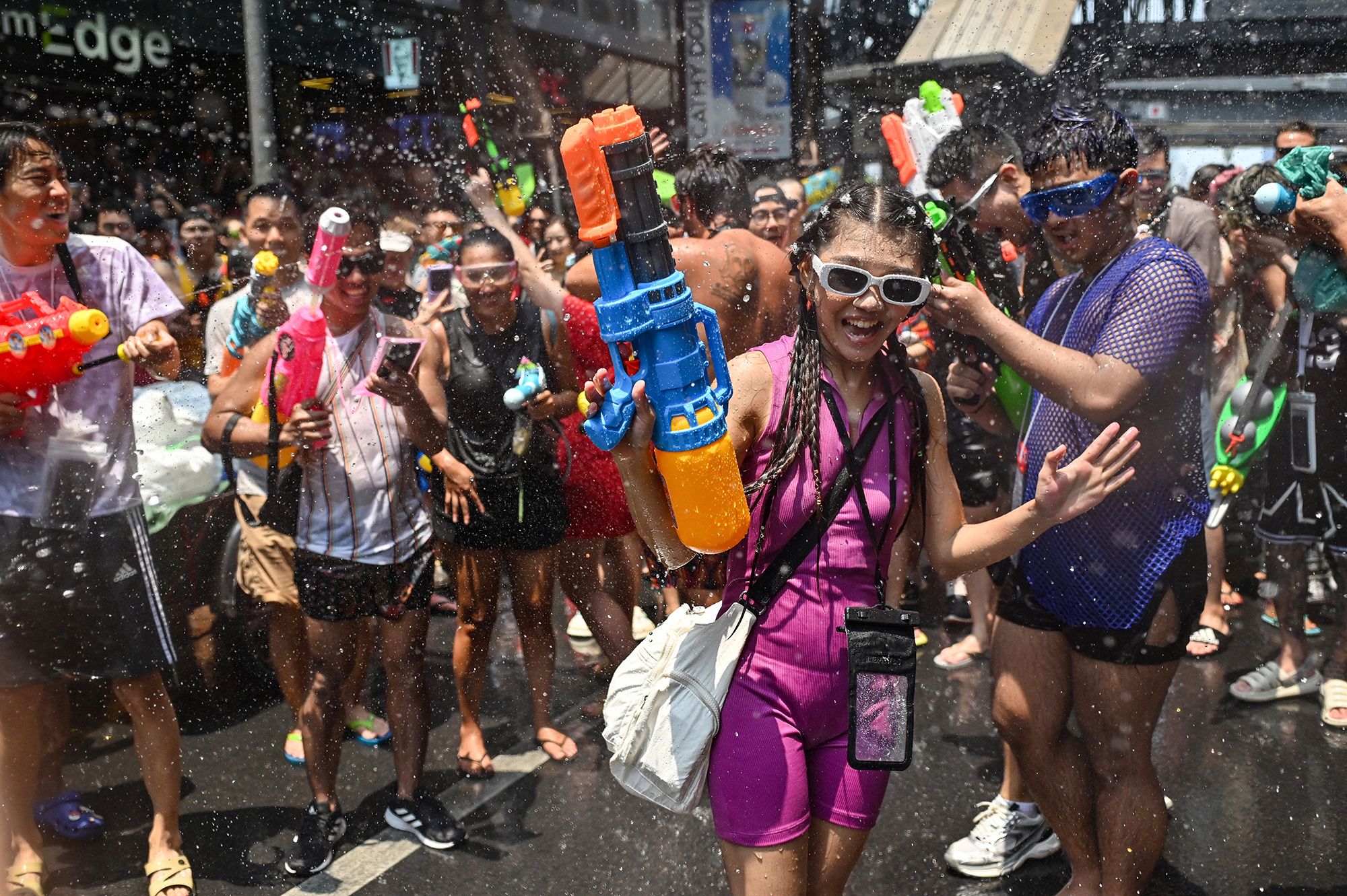
Insider tip: Leave a spare change of clothes and your camera sealed in a dry bag at the hotel. Coming back mid-evening to recharge is standard practice — it makes the second session far more enjoyable than pushing through exhausted and soaked.
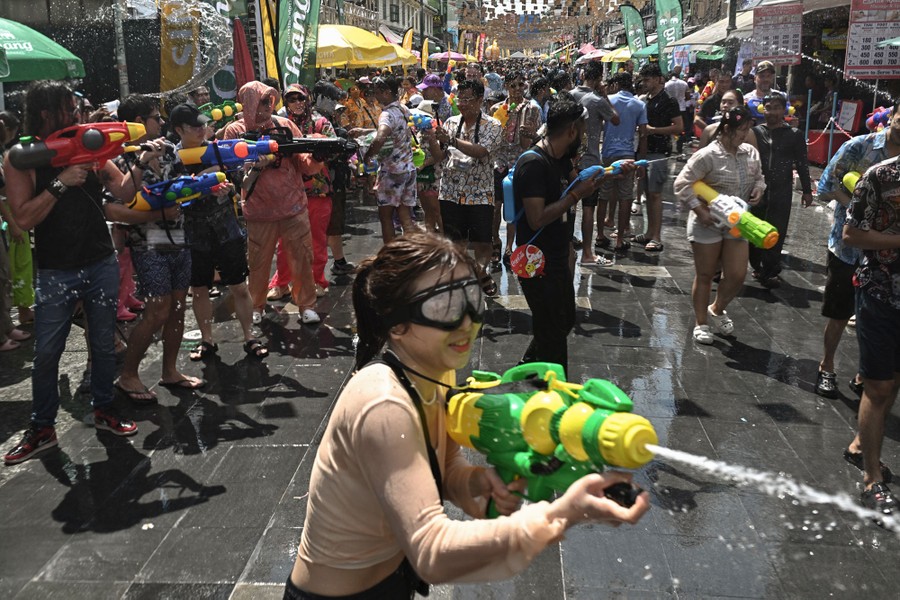
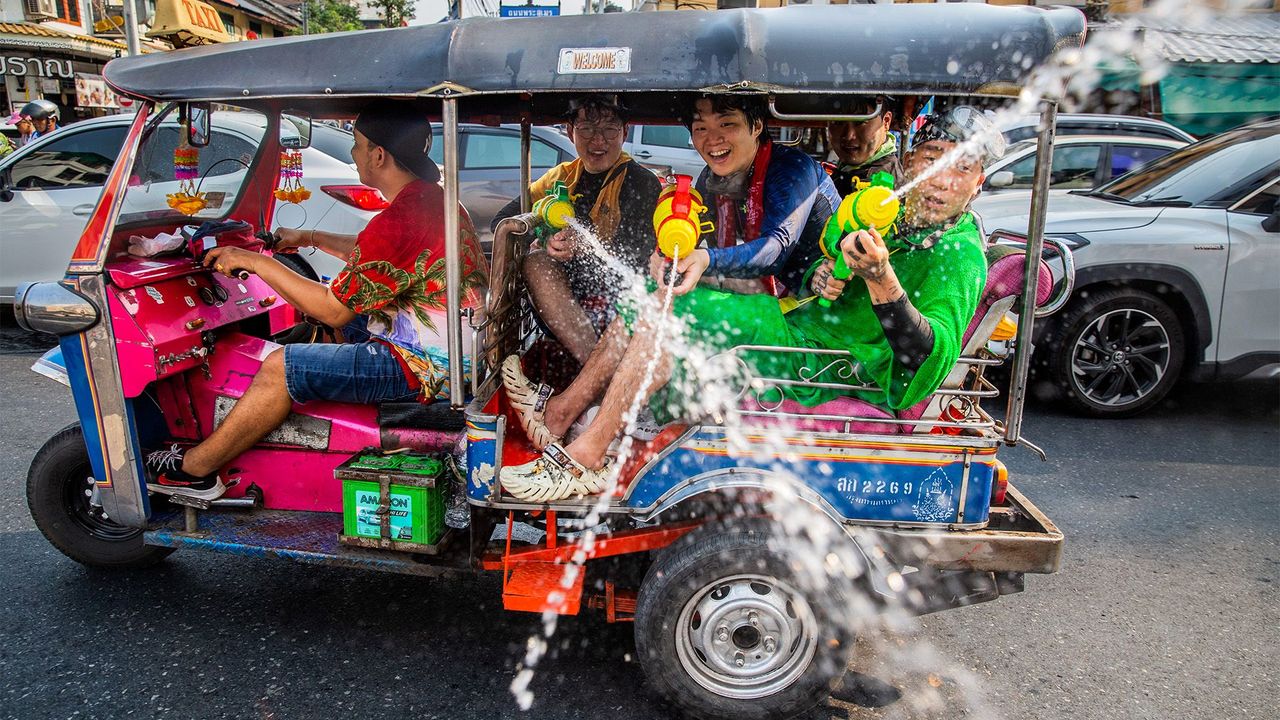
Insider tip: Say “Sawasdee Pee Mai” (Happy New Year in Thai) to any local who approaches you with water or powder paste — it’s the single phrase that turns a tourist interaction into a genuine cultural moment every time.
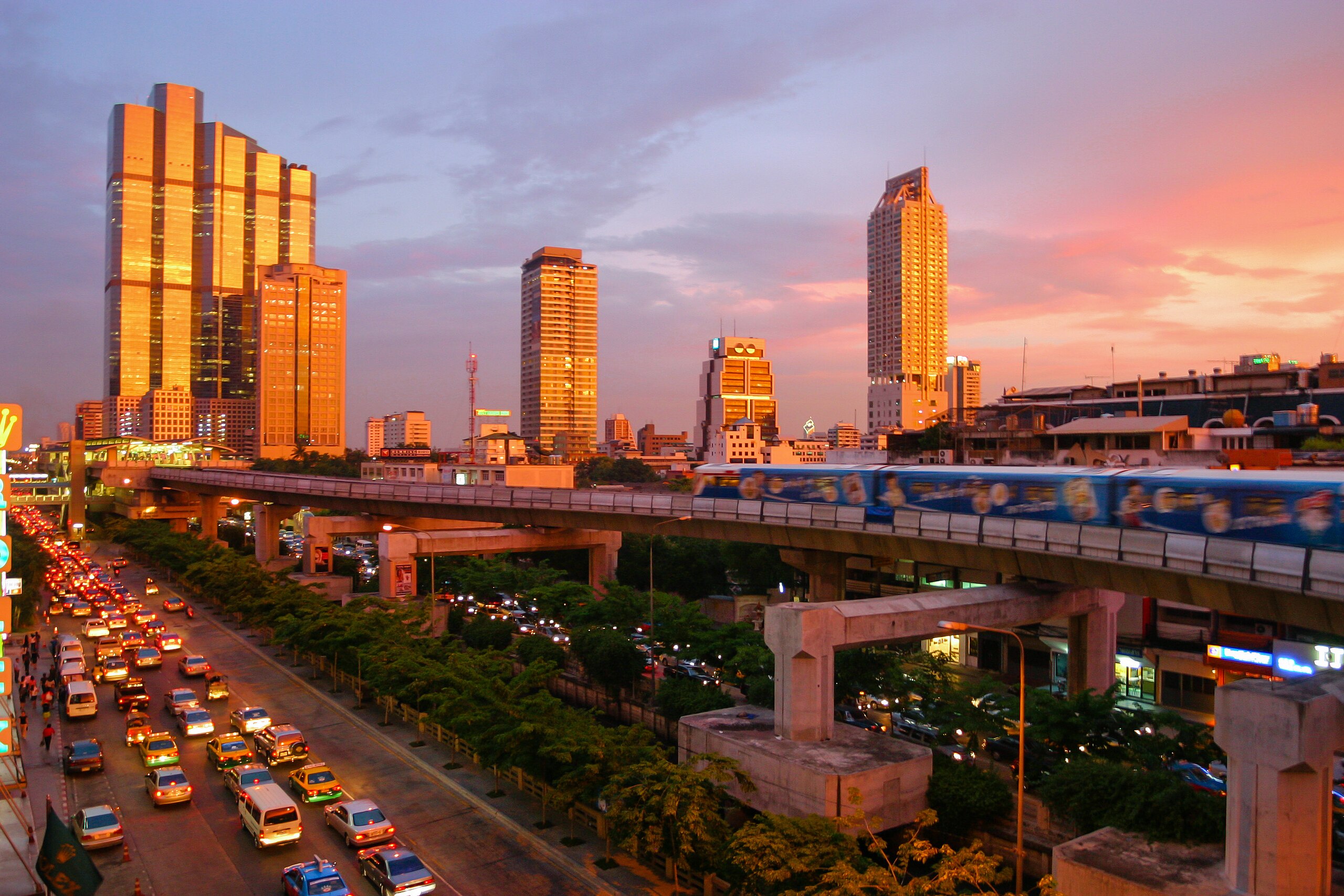
Insider tip: April 16 is Bangkok at its most peaceful — streets being cleaned, locals calm after three days of celebration. A final morning wander through Chinatown or a riverside café captures a side of Bangkok most Songkran visitors never see.
| Detail | Information |
|---|---|
| Trip Duration | 6 Days / 5 Nights (April 11–16, 2026) |
| Destinations | Bangkok (3 nights) + Pattaya (2 nights), Thailand |
| Price | ₹35,000 per person (land package, flights excluded) |
| Meals Included | 5 breakfasts (one per night of stay) |
| Songkran Dates | April 13–15 official; Bangkok celebrates April 12–16 |
| Best Songkran Spots | Silom Road, Khao San Road, Thonglor (Bangkok); Beach Road (Pattaya) |
| Visa Required (Indians) | No — visa-free entry up to 60 days (as of 2025) |
| Group Size | Individual / small group |
| Cancellation Policy | Non-cancellable (advance hotel commitments during peak festival period) |
| Contact | +91 80731 84260 · info@traveltriptourist.com |
Nobody warns you about the smell of cold water hitting 38°C asphalt at 9am on Silom Road. It’s equal parts relief and shock — and within sixty seconds you understand why millions of Thais treat this as the most sacred week of the year.
Songkran is officially Thai New Year, rooted in the Buddhist tradition of pouring scented water over elders’ hands as a gesture of respect and blessing. What begins as a deeply spiritual practice at temple complexes like Wat Pho and Wat Arun has evolved into a 72-hour city-wide celebration — but the reverence underneath hasn’t vanished. You’ll see both in the same morning: grandmothers receiving water from grandchildren at dawn, then the same families armed with Super Soakers by noon.
| “The best Songkran spots in Bangkok aren’t just the famous ones — they’re the quieter sois off Sukhumvit where locals set up tables, blast Thai pop, and wave at every passing tuk-tuk with a bucket.” |
Silom Road is where the international crowd gathers and water trucks rumble past. Khao San Road is louder, messier, and frankly unforgettable. But it’s the neighbourhood streets around Saphan Khwai and Ari where you’ll find Songkran as locals live it — families, street food, and a surprising lack of tourists.
In Pattaya (Days 2–3), the festival starts earlier and hits differently. The beach road becomes a procession of trucks, music systems, and thousands of people in traditional Thai shirts. It’s chaotic, warm, and completely welcoming. Bring a waterproof phone case. Leave your inhibitions behind.
nights.
Songkran is April 13–15 officially, but Bangkok celebrates from April 12–16. Timing your arrival matters. Here’s the insider knowledge that separates a memorable trip from a soggy disappointment.
The spiritual origin
Songkran derives from Sanskrit “Sankranti” — the solar new year. Pouring water is an act of purification and blessing, not just play. Visit Wat Benchamabophit (Marble Temple) on the morning of April 13th before 8am to witness merit-making ceremonies before the streets ignite.
Bangkok’s best streets by day
April 13 – Silom & Lumpini Park area for the grandest scenes. April 14 – Khao San Road peaks, plus Rattanakosin Island near the Grand Palace. April 15 – Thonglor and Ekkamai for the local Thai experience, with street parties that run until midnight.
The heat is serious April is Thailand’s hottest month — expect 38–40°C with high humidity. The water is genuinely welcome. Pace yourself, stay hydrated with electrolyte drinks (Pocari Sweat, widely available), and find shade every 90 minutes. Heat exhaustion affects visitors every year.
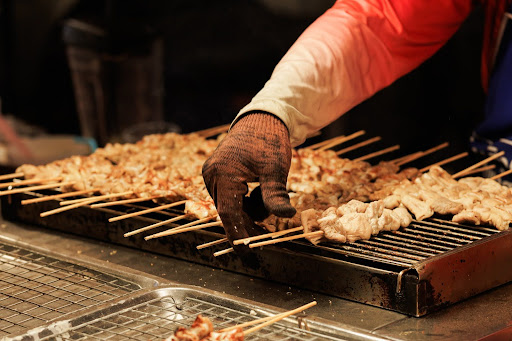
Food timing changes everything Restaurants near festival streets close or shift hours. Eat a full breakfast by 9am before heading out. Street food vendors operate all day, but sitdown restaurants in tourist areas often close April 13–14. The 7-Eleven network (every 200m in Bangkok) is your reliable fallback.
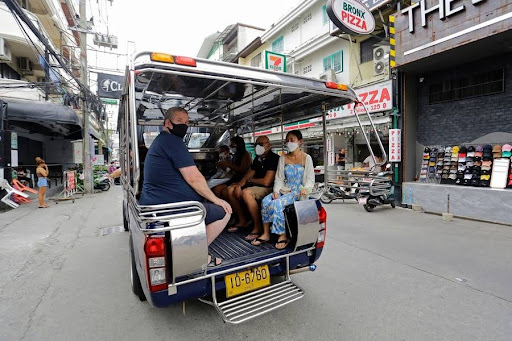
Transport during Songkran Tuk-tuks and taxis refuse to drive through water-fight zones — they’ll be soaked. The BTS Skytrain runs normally and is your best friend. Our intercity transfer from Pattaya to Bangkok on Day 4 is timed to arrive before peak afternoon chaos begins.
Powder and chalk tradition Alongside water, you’ll encounter white talcum powder mixed into paste and applied to faces and arms — a traditional blessing gesture. It’s considered good luck. Don’t flinch. Smile, say “Sawasdee Pee Mai” (Happy New Year), and you’ll make an instant Thai friend.
First-time visitors to Thailand often encounter terms, places, and cultural references that aren’t obvious. Here’s every entity in this itinerary, defined clearly.
Songkran is Thailand’s traditional New Year festival, observed annually from April 13–15 (Bangkok extends to April 12–16). The name derives from the Sanskrit word Sankranti, meaning solar transition. It is one of the world’s largest water festivals, with an estimated 5–10 million participants in Bangkok alone during peak days. The core tradition is pouring scented water over the hands of elders as a mark of respect and blessing — the street water fights evolved from this practice.
🌏 Also celebrated in Myanmar, Laos, Cambodia, and parts of Sri Lanka as regional new year
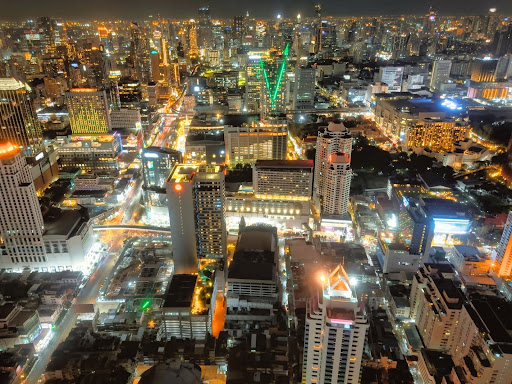
Bangkok is the capital and largest city of Thailand, with a population of approximately 11 million. Its official Thai name — Krung Thep Maha Nakhon — is the world’s longest city name. During Songkran, Bangkok’s key festival streets are Silom Road, Khao San Road, and Thonglor/Ekkamai. The city is served by Suvarnabhumi International Airport (BKK) and connected internally by the BTS Skytrain elevated rail network.
✈️ Direct flights from major Indian cities: Delhi, Mumbai, Bengaluru, Chennai, Hyderabad
Pattaya is a coastal resort city in Chonburi Province on the Gulf of Thailand, located approximately 147 km southeast of Bangkok. It is Thailand’s most visited beach destination, known for Beach Road (Thanon Hat Pattaya), its vibrant nightlife, and the Walking Street entertainment district. During Songkran, Pattaya’s celebrations begin on April 12 — a day ahead of Bangkok — making it an ideal first stop on this itinerary.
🚍 ~2 hours from Bangkok via Bang Na Expressway + Highway 7
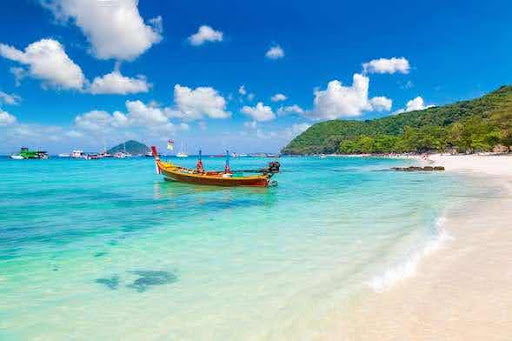
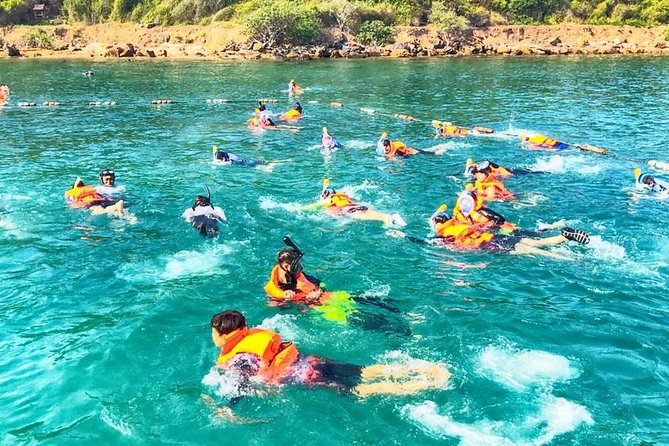
Ko Larn (Coral Island) is a small island located 7.5 km off the coast of Pattaya in the Gulf of Thailand. It is accessible by speedboat (15 minutes) or ferry (45 minutes). The island spans approximately 4.5 km² and is home to six beaches, the most visited being Hat Tawaen. Ko Larn is renowned for clear, shallow water ideal for snorkelling, and is entirely free of high-rise development — providing a dramatic contrast to mainland Pattaya.
🏝️ Best visited morning (before 1pm) to avoid afternoon heat and return crowds
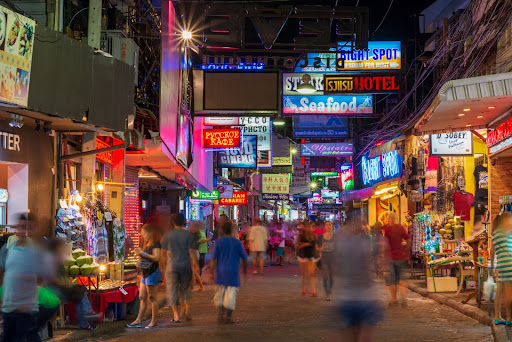
Walking Street is a 500-metre pedestrianised entertainment strip located in South Pattaya (Bali Hai area). It is closed to vehicle traffic from 6pm onwards and is home to over 100 bars, clubs, restaurants, and live music venues. Walking Street is one of Southeast Asia’s best-known nightlife destinations and operates nightly throughout the year. During Songkran, the street incorporates water fights and festival decorations alongside its standard entertainment offerings.
🌃 Active from 6pm; peak energy 9pm–midnight
Silom Road is one of Bangkok’s main commercial boulevards, running through the Bangrak district. It is home to Bangkok’s financial district and is served by the BTS Skytrain at Sala Daeng and Surasak stations. During Songkran, the road between these two stations is pedestrianised and hosts Bangkok’s most internationally attended water festival celebrations, including city-organised water trucks, foam cannons, and the official Songkran Grand Parade.
🚇 BTS: Sala Daeng (Silom Line) or Surasak — 2 stops from Siam
Khao San Road is a 400-metre street in Bangkok’s Rattanakosin district, globally recognised as a backpacker hub since the 1980s. During Songkran it becomes one of Bangkok’s most intense water-fight zones, attracting a predominantly international crowd and operating from morning until late night. Located near the Grand Palace and Wat Pho, Khao San is easily combined with a morning temple visit on April 15. Street food, budget guesthouses, and exchange stalls line the road.
📍 Rattanakosin district — 15 min by taxi from Silom; no direct BTS access
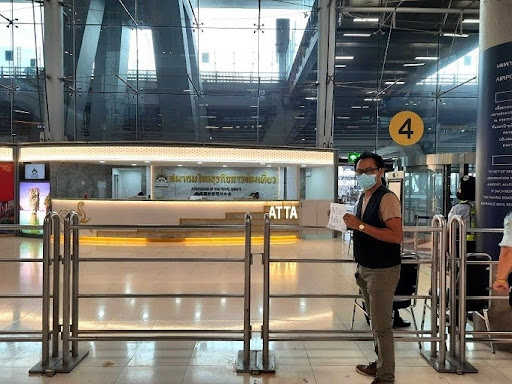
Suvarnabhumi International Airport (IATA: BKK) is Bangkok’s primary international gateway, located 30 km east of the city centre in Samut Prakan Province. It is one of Asia’s busiest airports, handling over 60 million passengers annually. The airport is connected to central Bangkok by the Suvarnabhumi Airport Rail Link (45 mins to Phaya Thai station) and by road (~35–55 mins to central hotels by taxi or private transfer, depending on traffic).
✈️ Direct flights from India: Air India, IndiGo, Thai Airways, Bangkok Airways
The BTS Skytrain is Bangkok’s elevated rapid transit system, operating since 1999. It runs on two lines: the Sukhumvit Line (light green) and the Silom Line (dark green), covering 68 stations across central Bangkok. During Songkran, the BTS is the most reliable transport option as taxis and tuk-tuks avoid pedestrianised festival zones. Single-journey fares range from 17–59 THB. The system operates daily from approximately 6am to midnight.
🚇 Key Songkran stations: Sala Daeng (Silom), Nana/Asok (Sukhumvit), Thong Lo (Thonglor)
Sawasdee Pee Mai is the Thai phrase for “Happy New Year,” used specifically during Songkran. It combines sawasdee (the standard Thai greeting, meaning “hello/goodbye with respect”) and pee mai (new year). When said to a Thai local while participating in Songkran — especially when receiving a water splash or powder blessing — it signals cultural respect and genuine engagement, and is universally met with warmth. Pronounced: sa-wat-dee pee my.
🗣️ Pair with a slight bow (wai) for full cultural effect
The wai is Thailand’s traditional gesture of greeting, respect, and gratitude — performed by pressing the palms together in a prayer-like position and bowing the head slightly. The higher the hands and the deeper the bow, the greater the respect conveyed. During Songkran, a wai combined with “Sawasdee Pee Mai” is the standard respectful greeting. Visitors are not expected to initiate a wai to strangers, but returning one is always appreciated.
🙏 Return a wai when one is offered to you — it is considered polite
Don Mueang International Airport (IATA: DMK) is Bangkok’s secondary airport, located 24 km north of the city centre. It primarily serves low-cost carriers including AirAsia, Nok Air, and Lion Air. Some Indian budget flights to Bangkok — particularly from Bengaluru, Chennai, and Hyderabad — land at Don Mueang rather than Suvarnabhumi. Check your ticket carefully: the two airports are 50 km apart and transfer between them takes 1–1.5 hours. Our airport transfer is pre-confirmed to your actual arrival terminal.
✈️ Low-cost hub — confirm whether your flight lands at BKK or DMK before travel
✅ Included in ₹35,000 |
❌ Not Included |
|
|
|
|
|
|
|
|
|
|
|
|
What exactly is Songkran and why does it happen in April?
Songkran is Thailand’s Buddhist New Year, celebrated April 13–15 annually. April marks the end of the dry season and the solar new year per the traditional Thai calendar — water symbolises washing away the old year’s misfortunes and welcoming good luck.
Is it safe to participate in the water fights?
Yes — Songkran is one of Southeast Asia’s safest large-scale festivals. The atmosphere is joyful and inclusive. The main precautions are practical: protect your phone, wear sunscreen, and stay hydrated in the heat.
Can I opt out of getting wet if I want to just watch?
Not really — if you’re in the festival zones during peak hours (11am–5pm), you will get wet. That’s the nature of Songkran on the street. If you want to stay dry, stick to the BTS Skytrain, indoor malls, or hotel lobbies.
What are the best streets for Songkran in Bangkok?
Silom Road is the most organised and international. Khao San Road is the most intense. Thonglor/Ekkamai is the most local. Each has a different character — visiting all three across April 14–15 gives the full picture.
What’s included in the ₹35,000 price?
The price covers 5 nights hotel accommodation (2 in Pattaya, 3 in Bangkok), 5 breakfasts, airport transfers both ways, the Bangkok–Pattaya–Bangkok intercity transfers, Walking Street visit, and the Coral Island speedboat tour.
Do I need a visa to visit Thailand from India?
As of 2025, Indian passport holders can visit Thailand visa-free for up to 60 days. You need a valid passport (6+ months validity), a return flight ticket, and proof of accommodation. No advance visa application is required.
Is this trip suitable for first-time international travelers?
Yes. Thailand is consistently ranked one of the most beginner-friendly international destinations. English is widely spoken in Bangkok and Pattaya’s tourist areas, the transport is straightforward, and the people are genuinely welcoming to foreign visitors.

Member Since 2024


Leave a review